How gastroenterology nutrition therapy has evolved
A yearly event educates dietitians on the best approaches to GI disorders and diseases
5:00 AM
Author |
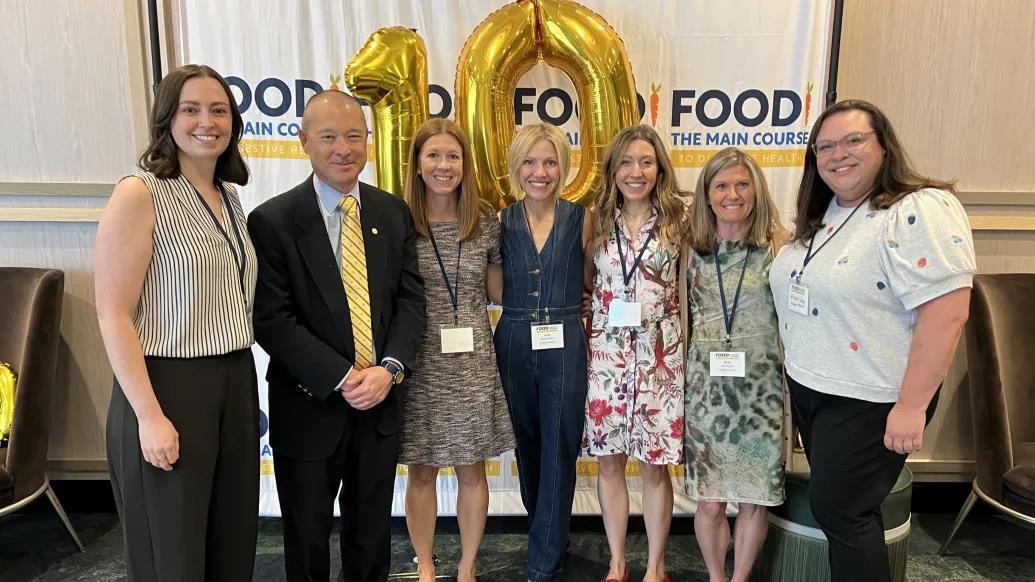
Since 2016, physicians and dietitians from the University of Michigan Health’s Division of Gastroenterology & Hepatology have led a conference dedicated to training registered dietitians on the management of GI conditions.
The course, called "FOOD: The Main Course to Digestive Health," attracts hundreds of attendees who join in-person or online.
Here, Amanda Lynett, M.S., R.D.N., the Lead Dietitian in U-M’s Division of Gastroenterology & Hepatology, looks back on the last 10 years, reflecting on how the field has evolved.
What scientific finding in the last decade has most affected the work of GI registered dietitian nutritionists?
Lynett: The increase in the number of studies showing the role of dietary interventions and the use of dietitians improving patient outcomes with GI conditions, including quality of life and GI symptom improvement.
Studies have shown that integrating a specialized GI dietitian can lead to higher rates of global symptom improvement, better dietary adherence, fewer unnecessary medical visits and improved nutritional maintenance of GI condition.
I also think the more we learn about the gut microbiome and its role on the immune system and influence on GI conditions, the more it shows the importance of dietary and lifestyle modification in improving symptoms.
What trend in the general public’s diet has caused the biggest change in your practice?
Lynett: The increased use of social media and going to non-medical providers for nutrition advice has changed greatly over the last 10 years.
There have been shifts towards individuals following general trends on social media to see if they help their GI symptoms — which can make symptoms worse.
Another change we’ve seen in our practice in the last 10 years is an increased awareness of the relationship between eating disorders and GI conditions and the importance of multidisciplinary teams, including but not limited to a GI psychologist, physician, dietitian, and eating disorder specialist.
Another one of the bigger trends that we are seeing in clinical practice has been the explosion of dietary supplement use.
Patients frequently arrive with long lists of supplements, particularly fiber products and digestive enzymes influenced by social media, influencers and online marketing.
Much of our work now involves evaluating whether these products are necessary and helping patients focus on interventions that are evidence-based and appropriate for their specific GI condition.
Over 10 years of running FOOD: The Main Course, is there a memory that sticks out in your mind?
Lynett: I don’t know if it’s one specific memory, but one overarching theme is community.
Watching the group of GI dietitians and other health care practitioners interested in the role of nutrition in GI condition grown into such a supportive community has been incredibly rewarding.
This conference not only provides evidence-based lectures and opportunities to learn, but also a sense of community and support from individuals all over the country and world.
It’s amazing that we have people traveling from other countries, such as New Zealand and Colombia to attend.
Is there a goal you have for future iterations of the conference?
Lynett: I think our goal is to continue to evolve and provide a sense of community, support and awareness of the need for further research on nutrition and GI conditions.
I think the more we can be inclusive and try to encourage other healthcare professionals to attend, the more valuable it will be in helping GI dietitians maintain a seat at the table for caring for our GI patients.
Sign up for Health Lab newsletters today. Get medical tips from top experts and learn about new scientific discoveries every week.
Sign up for the Health Lab Podcast. Add us wherever you listen to your favorite shows.

Health Lab
Explore thousands of health news & research stories by visiting the Health Lab homepage for more.
Media Contact

Public Relations
Department of Communication at Michigan Medicine
Stay Informed
Want top health & research news weekly? Sign up for Health Lab’s newsletters today!
Featured News & Stories
Identifying avoidant, restrictive food intake disorder in gastroenterology patients

As probiotic use surges, microbiome-supportive food consumption stagnates

Many parents face challenges getting kids to eat a healthy breakfast before school

Will AI transform health care administration, specialty care?

Shipt gift helps address food insecurity