How do sugary beverages affect the liver?
A liver specialist teams up with a nutrition epidemiologist to examine the direct impact of consuming sugar-sweetened beverages on developing liver disease.
5:00 AM
Author |
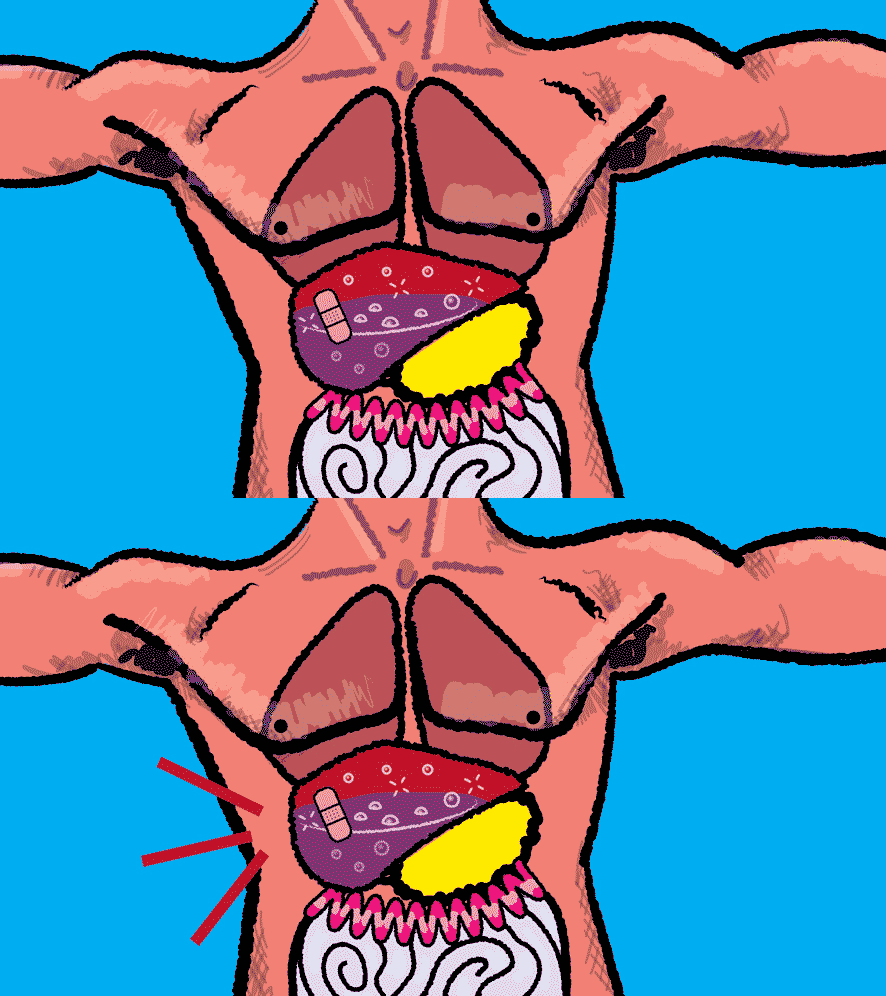
When people overconsume sugar-sweetened beverages, or SSBs, like soda, certain fruit juices, and some coffee and tea drinks, it can lead to many different health conditions, including obesity, cardiovascular disease and diabetes.
Nonalcoholic fatty liver disease, or NAFLD, is the leading cause of liver disease in the United States, and it can be described as an unhealthy accumulation of liver fat that is not attributed to alcohol consumption. And overindulging in SSBs can contribute to its development.
However, lifestyle modifications, like omitting these sugary beverages from your diet, are often recommended to patients with this condition.
"We know that SSBs are associated with NAFLD, but by cutting back, individuals can better manage the disease," said Cindy Leung, Sc.D., M.P.H., a nutrition epidemiologist at the University of Michigan whose research focuses on diet and health disparities in vulnerable populations. "But to go a step further, I teamed up with Michigan Medicine liver specialist Elliot Tapper, M.D., to explore the association between these beverages and liver fat and fibrosis among healthy adults throughout the U.S. Ultimately, we wanted to see the direct impact of consuming SSBs on developing liver disease."
The duo examined the 2017-2018 NHANES, which is a national survey conducted by the CDC. They focused their study on healthy adults who do not have any significant medical conditions like liver disease, diabetes or cancer. Each participant was also interviewed about key factors like their socioeconomic status and demographics.
"We restricted our study to 2,706 healthy adults with no underlying medical conditions," said Leung. "This was important because we didn't want to assess individuals who might be changing their diet as a result of another health condition. In one of their more recent surveys, the NHANES assessed liver fat using ultrasounds, so this was extremely novel and helpful for our work."
On two separate days, the study participants completed detailed interviews about their food and drink intake. Leung and Tapper then examined SSB consumption, measured in eight-ounce servings, in relation to liver fat and fibrosis, adjusting for socioeconomic and other health factors.
Leung noted that the more SSBs someone consumed, the higher their liver fat numbers presented.
MORE FROM THE LAB: Subscribe to our weekly newsletter
"We observed a 'dose-response relationship' where higher consumption rates for SSBs were associated with high rates of elevated liver stiffness," she said. "This was eye-opening because liver disease is traditionally associated with alcoholism, yet it is increasingly becoming more common in people who consume a lot of high-sugar products."
In the long run, Tapper added that the team hopes that their work will inform policy decisions about SSBs.
"We found that SSB consumption is strongly associated with liver fibrosis and fat, and these data clearly show that further studying SSB-focused interventions is warranted when looking to potentially reduce the burden of chronic liver disease," he said. "Specifically, these data demonstrate a role for reducing sugary beverage consumption as a pillar of any intervention to reduce the burden of NAFLD."
Paper cited: "Sugar-Sweetened Beverages are Associated with Increased Liver Stiffness and Steatosis Among Apparently Healthy Adults in the United States," Clinical Gastroenterology and Hepatology. DOI: 10.1016/j.cgh.2021.05.052
Like Podcasts? Add the Michigan Medicine News Break on iTunes, Google Podcast or anywhere you listen to podcasts

Health Lab
Explore thousands of health news & research stories by visiting the Health Lab homepage for more.
Media Contact

Public Relations
Department of Communication at Michigan Medicine
Stay Informed
Want top health & research news weekly? Sign up for Health Lab’s newsletters today!
Featured News & Stories

Can drinking coffee lead to a healthier liver?
Top 7 tips for choosing Medicare prescription drug coverage for 2027

Many older adults make Medicare decisions quickly and most don’t change plans, poll finds
What’s the latest on 7-OH and kratom availability and addiction care?
A second chance at life