How Chronic Snoring Can Cause Heart Disease
A loud sleeper is more than a nuisance. Those with obstructive sleep apnea face an elevated risk of cardiovascular disease.
7:00 AM
Author |
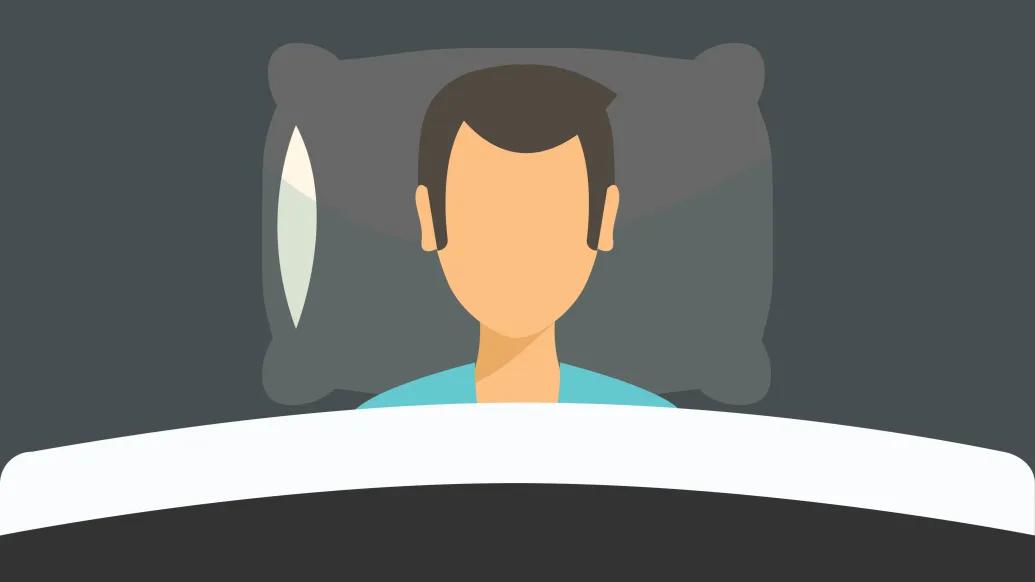
Heavy snoring can sound funny to your sleep partner, but the condition is no joke. Snoring is often the sign of a condition called obstructive sleep apnea, which raises the risk for diabetes, obesity, hypertension, stroke, heart attack and other cardiovascular problems.
People with obstructive sleep apnea stop breathing for 10 to 20 seconds while they sleep; this can occur from a few to hundreds of times a night. Snoring doesn't occur in every case of sleep apnea, and all people who snore don't have sleep apnea, but anyone who is told they snore should consider obstructive sleep apnea as a possible cause.
Snoring is caused by the tongue not having enough room in the back of the throat, particularly in those people who are obese, in heart failure or sleep on their back. There are chemicals in the brain whose job is to trigger breathing, and these can fail in some people who snore. As a result, oxygen levels drop dramatically, causing cortisone, adrenaline and other hormones to surge.
These hormones contribute to high blood pressure and irregularities of the heart and can cause or exacerbate heart failure, trigger heart attacks, even sudden death. Even without snoring, people with obstructive sleep apnea have reduced oxygen in their system that can damage the heart.
Risk factors and symptoms
We once thought obstructive sleep apnea was a disease of the obese, but we now know this isn't true. While some people who are obese may have sleep apnea, other risk groups include:
- People who drink alcohol or use sleeping pills
- People with diabetes
- Those with congestive heart failure
- People in their 50s and 60s
- Men more than women
As more people age, develop hypertension, diabetes or metabolic syndrome (pre-diabetes), the number of individuals with obstructive sleep apnea grows, which is very concerning to health providers.
People with this condition generally understand it is bad for their heart health, so it's easier today to successfully encourage patients to see a sleep specialist than it once was.
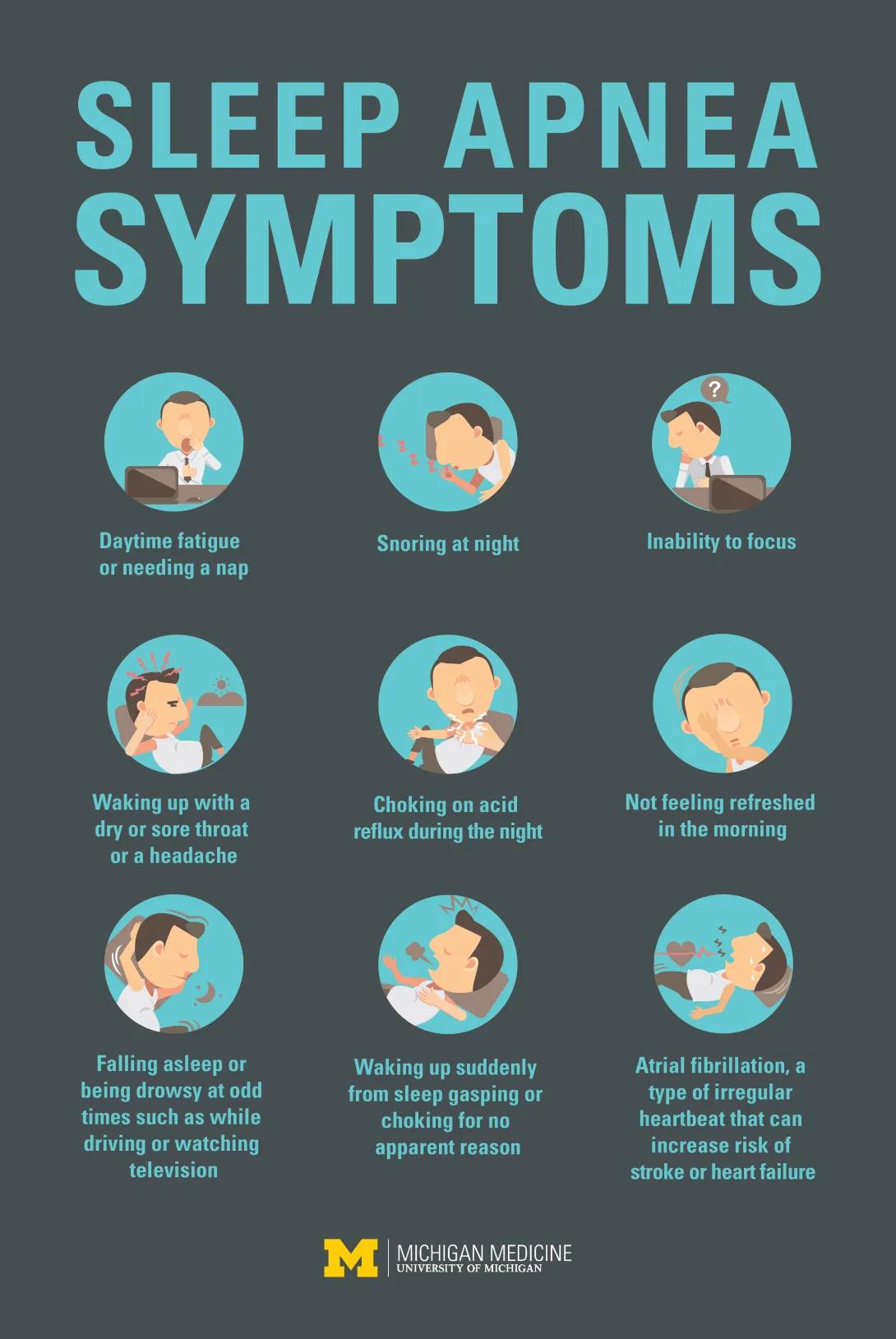
Symptoms for the condition include:
- Daytime fatigue or needing a nap
- Falling asleep or being drowsy at odd times such as while driving or watching television
- Snoring at night
- Waking up suddenly from sleep gasping or choking for no apparent reason
- Waking up with a dry or sore throat or a headache
- Inability to focus
- Not feeling refreshed in the morning
- Choking on acid reflux during the night
Atrial fibrillation, a type of irregular heartbeat that can increase risk of stroke or heart failure
Taking action
Although obstructive sleep apnea is a very serious medical condition, it is treatable. An effective treatment — one that helps 90 percent of those who are compliant — is using a Continuous Positive Airway Pressure device, or CPAP. Its mask creates pressure in the airway that prevents snoring and the apnea.
The new models are smaller and easier to use. People with simple snoring that isn't very loud and without any other symptoms can usually handle things by sleeping on their side and, if indicated, lose some excess weight.
There are a number of other important benefits to treating sleep apnea, particularly in people with congestive heart failure. Patients with heart failure are highly likely to have sleep apnea, which worsens the heart failure and further reduces the heart's pumping function.
Treatment with CPAP can improve the heart pumping function by as much as 50 percent, helping those with obstructive sleep apnea prevent or reduce the frequency of atrial fibrillation and other irregularities of the heart.
If you suspect you have sleep apnea, talk to your family doctor or contact the Sleep Disorders Centers at Michigan Medicine for more information or to make an appointment.

Health Lab
Explore thousands of health news & research stories by visiting the Health Lab homepage for more.
Media Contact

Public Relations
Department of Communication at Michigan Medicine
Stay Informed
Want top health & research news weekly? Sign up for Health Lab’s newsletters today!
Featured News & Stories

New heart, three medals and a shot at the world stage
What Can a Blood Test Really Tell Us About Alzheimer’s Disease?

Michigan man undergoes complex heart repair after last minute surgery cancelation

More babies with hypoplastic left heart syndrome surviving critical period between surgeries
Mobile health app improves heart failure medication use, dosing after hospitalization