How to assess your risk for breast cancer
Many incorrectly estimate their risk, which affects their options for risk reduction
5:00 AM
Author |
One in eight American women will develop breast cancer in their lifetime. A combination of factors can influence your risk.
Some are unmodifiable, such as age, having dense breasts and a family history of breast or ovarian cancer, while others are modifiable, such as physical activity levels, weight and reproductive history.
Melissa Pilewskie, M.D., a clinical associate professor of surgery and a member of University of Michigan Rogel Cancer Center, answers questions about how you can accurately assess your risk and what lifestyle changes can help reduce the likelihood of developing breast cancer.
What are non-modifiable risk factors?
Pilewskie: There are several categories.
The first is being female and aging. Specifically, your exposure to hormones over your lifetime, which depends on when you started your periods, when your first pregnancy was, how many babies you’ve had and your age at menopause.
Hereditary factors can also increase your risk.
About 10% of women with breast cancer have an identifiable mutation in a breast cancer gene while more commonly, women may have a family history but their genetic tests for cancer may be negative.
A strong family history of breast cancer even with negative genetic testing also impacts risk.
A personal history of a benign, but high risk breast biopsy increases future risk.
Other elements to consider include having dense breasts and receiving radiation to the chest, for example, in the context of treating non-Hodgkin's lymphoma at a young age.
What are modifiable risk factors?
Pilewskie: These are things that you can control, including weight, physical activity, alcohol consumption and breastfeeding.
Although we don’t completely understand why, researchers have seen that both increasing physical activity and maintaining a healthy body mass index is important.
Based on cardiovascular data, we currently recommend moderate-intensity workouts for 150 minutes or 75 minutes of vigorous aerobic activity per week.
We are hoping to expand those studies so that we can make personalized recommendations of how much exercise is beneficial based specifically on a woman’s risk for breast cancer.
Studies have also consistently shown that drinking more than one drink per day on average is associated with a slight increased risk.
Conversely, breastfeeding has been shown to have a protective effect, meaning women who breastfeed may have a slightly lower risk of breast cancer development.
How can you accurately determine your risk for breast cancer?
Pilewskie: Talking to your doctor and getting an assessment is imperative.
The average risk of developing breast cancer for a woman in the United States is 12% in their lifetime, although this number varies based on personal risk factors.
Although we don’t completely understand why, researchers have seen that both increasing physical activity and maintaining a healthy body mass index is important."
-Melissa Pilewskie, M.D.
Studies have shown that many women misinterpret their personal risk.
For example, if you have a family member with breast cancer, it can feel like you’re at a higher risk. However, if the relative developed cancer when they were above 70, that’s not as concerning.
In the setting of family history, we look at the number of family members, the age at which they were diagnosed, the type of cancer and whether it developed in one or both breasts.
How often should you get screened?
Pilewskie: After your doctor evaluates your risk, which could include genetic testing, they will determine how often screening is recommended.
It is also important to remember that screening doesn't reduce risk, but it does aid early detection.
Women who are at average risk should get annual mammograms starting at age 40 and those who are at increased risk, may be recommended to undergo screening tests more frequently.
What changes in breast tissue should you look for?
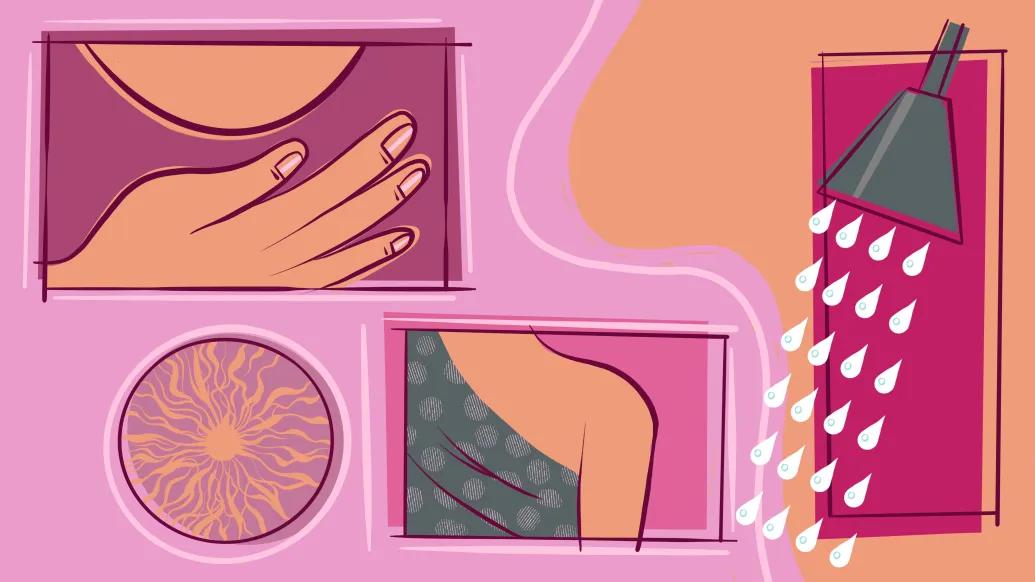
Pilewskie: Pay attention to the texture and appearance of your breasts. Breast tissue is naturally lumpy, but you’re looking for something that is new and persistent.
I often tell my patients to know what their baseline is and look for a rock amongst pebbles.
Changes in appearance include the skin looking red, swollen or dimpled.
You can also look in the mirror and try different positions, like raising your arms above your head and feeling your armpits, to see if anything looks or feels different.
Is it possible to decrease your risk of breast cancer?
Pilewskie: Yes, there are currently three categories for risk reduction: lifestyle modifications, medical interventions and surgery.
Lifestyle modifications include maintaining a healthy body mass index, engaging in physical activity and consuming alcohol in moderation.
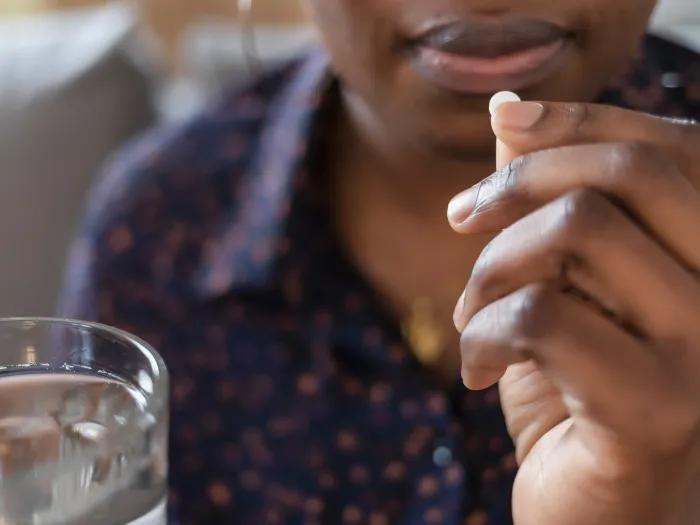
Unfortunately, many women feel apprehensive about medications because the process is called chemoprevention, which is misleading because there is no chemotherapy component.
A common example is tamoxifen, which blocks estrogen receptors and thereby starves the breast tissue of estrogen; We have evidence that we can reduce breast cancer risk by 50% in high risk women.
It is also hard to convince women to take a pill that might have potential side effects, especially if they feel healthy.
I would encourage people to consider risk-reducing medications if appropriate based on personal risk, because the benefits are significant.
The last option, which we reserve for the highest risk cohorts, is surgery.
This is usually used for women who have a high risk gene mutation or who've had prior radiation to the chest.
In these cases, we consider bilateral mastectomies to remove as much of the tissue at risk as we can.
Sign up for Health Lab newsletters today. Get medical tips from top experts and learn about new scientific discoveries every week.
Sign up for the Health Lab Podcast. Add us wherever you listen to your favorite shows.

Health Lab
Explore thousands of health news & research stories by visiting the Health Lab homepage for more.
Media Contact

Public Relations
Department of Communication at Michigan Medicine
In This Story

Melissa Pilewskie, MD, FACS
Clinical Associate Professor
Related

Should You Do Self Breast Exams?
Breast Cancer Screening 101: Guidelines, Tools and Facts to Be ‘Breast Self-Aware’
Stay Informed
Want top health & research news weekly? Sign up for Health Lab’s newsletters today!
Featured News & Stories

5-year survival rate has increased for all cancers, according to American Cancer Society

Breast cancer patient encourages women to commit to their health
What is ductal carcinoma in situ breast cancer?

Bright Pink invests in cancer prevention innovation

Gift expands lifeline of support for Rogel Cancer Center patients and families