How advanced genetic testing helped one family plan for their child’s future
A confirmed diagnosis of a rare condition called BPES opened the door to personalized care and long term health planning for 3-year-old Nora
5:00 AM
Author |
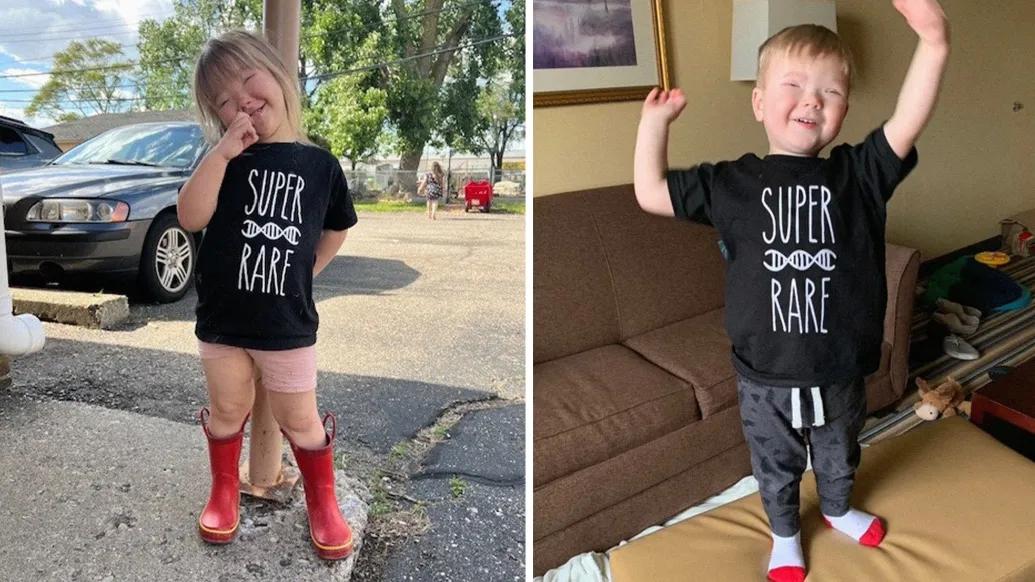
From the moment their daughter Nora was born, the Edstrom family knew they needed answers.
Like her older brother, Aksel, and her father, Anders, Nora couldn’t fully open her eyes at birth.
Through their own research and online support groups, the Edstroms suspected Blepharophimosis Ptosis Epicanthus Inversus Syndrome, a rare genetic condition that primarily affects eyelid development and facial features.
But doctors in their home state of Missouri were unfamiliar with BPES.
Genetic testing performed on Nora’s dad and brother also failed to identify the mutation known to cause the condition, leaving them with more questions.
“My husband had surgery on his eyelids as a baby, but no one realized it could be genetic,” said Heather Edstrom.
“When our son was born with similar features, we felt sure it was connected. But the negative test made us second guess everything.”
For Nora, the uncertainty carried even greater weight.
While BPES primarily affects the eyelids in boys, Type 1 BPES in girls can also impact ovarian function and lead to early menopause, making an accurate diagnosis critical for long-term health planning.
“When she was born with the same classic signs, we knew we were going down that road again,” Edstrom said.
“But we wanted to know for sure.”
A search for clarity
Their journey had started years earlier.
When Aksel, now almost seven, was born in rural Missouri, doctors initially reassured the family that some newborns simply take time to open their eyes.
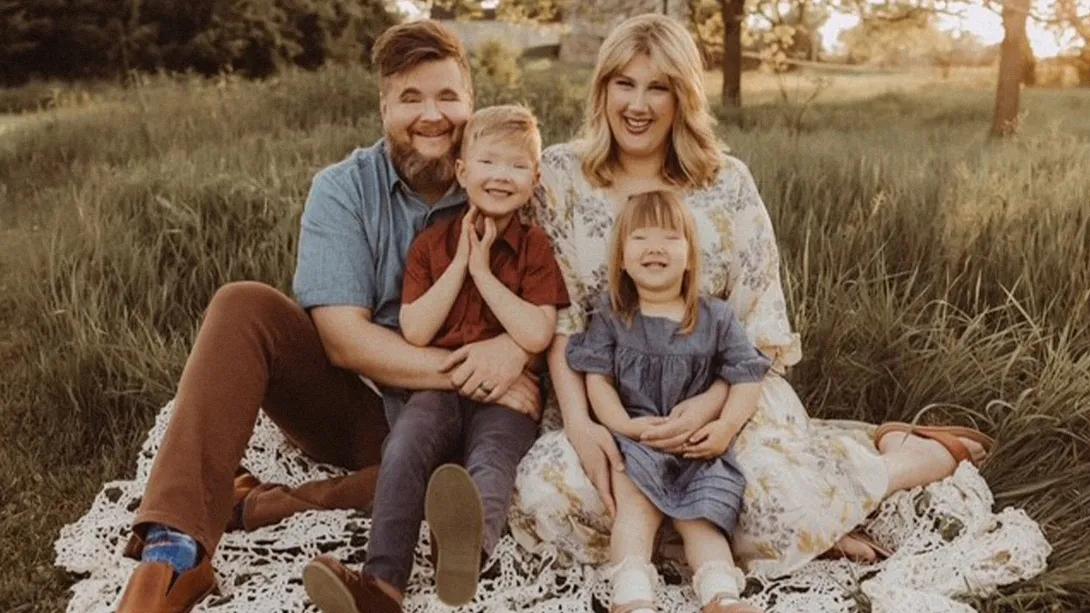
But his grandmother immediately recognized the features.
“The reaction from doctors was dismissive, but it rang alarm bells for my mother-in-law,” Edstrom recalled.
“She had seen this before in my husband.”
The family traveled extensively in search of specialists familiar with BPES.
They leaned heavily on a Facebook group of families navigating the same rare condition.
Eventually, they found Michigan Medicine, which offered corrective eyelid surgery for BPES.
Aksel had the procedure at University of Michigan Health at seven weeks old, allowing him to fully open his eyes and smile at his parents for the first time.
Still, the genetics remained unclear since testing had come back negative.
“The hardest part was living in the unknown,” Edstrom said.
“When you don’t have answers, fear and anxiety fill in the gaps.”
Turning to U-M for deeper answers
By the time Edstrom was pregnant with Nora, the family had moved to Michigan. After her birth, they were referred to the Pediatrics Genetics Clinic at University of Michigan Health C.S. Mott Children’s Hospital.
From reviewing the family’s previous genetic tests, the team recommended whole genome sequencing through the Undiagnosed Disease Clinic at Mott, which would provide a far more comprehensive analysis.
“We opened this clinic specifically to help families who strongly suspect a condition but don’t have confirmation,” said Mott genetic counselor Jessica O’Shea.
The hardest part was living in the unknown. When you don’t have answers, fear and anxiety fill in the gaps.”
-Heather Edstrom
“For families like Nora’s, a diagnosis isn’t just about naming what their child has. It’s about understanding what that diagnosis means so families can make informed decisions with confidence.”
The advanced testing is not always covered by insurance, but the genetics team worked closely with the laboratory to ensure cost would not be a barrier.
“They didn’t just tell us what testing Nora needed,” Edstrom said. “Everyone was boots on the ground, going above and beyond to make sure it could happen.”
Once approved, Nora underwent whole genome testing.
The results were definitive: a genetic variant confirming BPES Type 2.
“I got the call at work,” Edstrom said. “I cried. It was pure relief.”
“Getting the answer felt like a gift,” she added. “It gave us peace, but it also gave us direction.”
The diagnosis meant Nora was unlikely to face ovarian issues, reassuring news that allowed the family to focus on appropriate monitoring.
A roadmap for the future
Today, nearly four-year-old Nora is thriving and described as a “sweet and sassy” little girl who loves ballet, dress-up, music and all things Frozen.
Aksel is a dinosaur-loving first grader who enjoys reading.
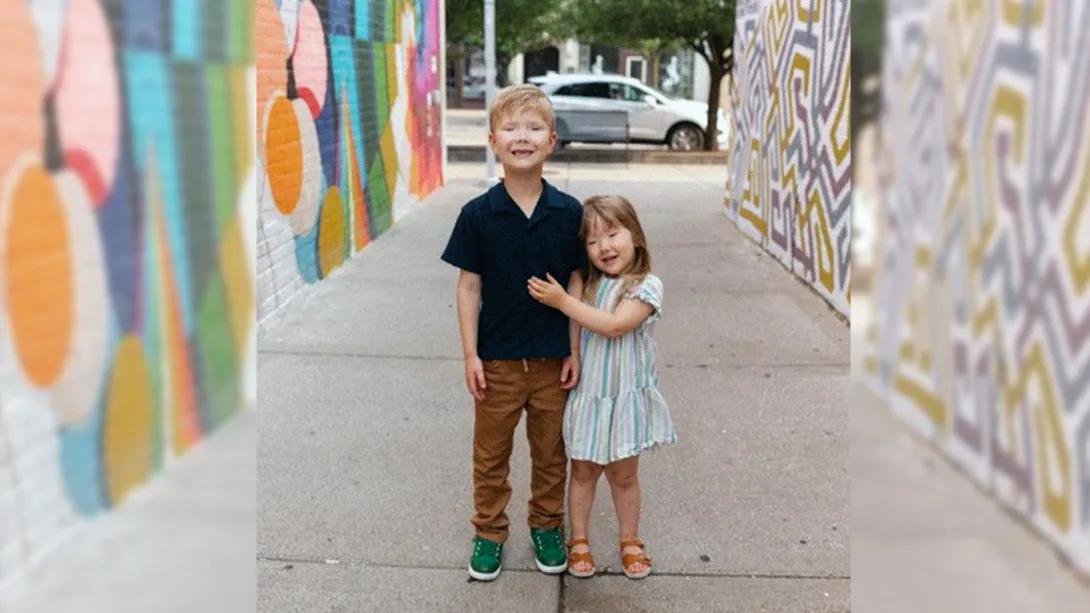
Nora will continue to be followed by Mott specialists, including pediatric endocrinology.
But the family now has a clear roadmap and information to counsel their kids on the possibility of their own future children inheriting the mutation.
“Having this information allows us to tailor care proactively and helps families prepare for the future and know what to expect,” O’Shea said.
The Edstroms often share their personal story, sometimes dressing their children in “super rare” shirts around Rare Disease Day in February.
They also stay connected with other families across the country navigating BPES, building camaraderie and support.
Awareness is important, Edstrom says, as her family still often gets uninformed questions like “they look so sleepy” when they see pictures of her children.
“My husband and kids do have physical differences,” Edstrom said.
“But our kids are so strong and so resilient. They’re better prepared to navigate this diagnosis than their dad was because they have these answers.”
Sign up for Health Lab newsletters today. Get medical tips from top experts and learn about new scientific discoveries every week.
Sign up for the Health Lab Podcast. Add us wherever you listen to your favorite shows.

Health Lab
Explore thousands of health news & research stories by visiting the Health Lab homepage for more.
Media Contact

Public Relations
Department of Communication at Michigan Medicine
Stay Informed
Want top health & research news weekly? Sign up for Health Lab’s newsletters today!
Featured News & Stories

How to improve mental health safety on social media – not just for young people
Blood-based multi-cancer screening tests: Ready for primetime?

Many parents face challenges getting kids to eat a healthy breakfast before school

Helping kids with ADHD thrive in school

School night bedtime tips every parent should know