Hospital collaboration reduces cardiac arrests among critically ill pediatric heart patients
Simple ‘practice bundle’ helped achieve 30% reduction across 15 hospitals.
5:00 AM
Author |
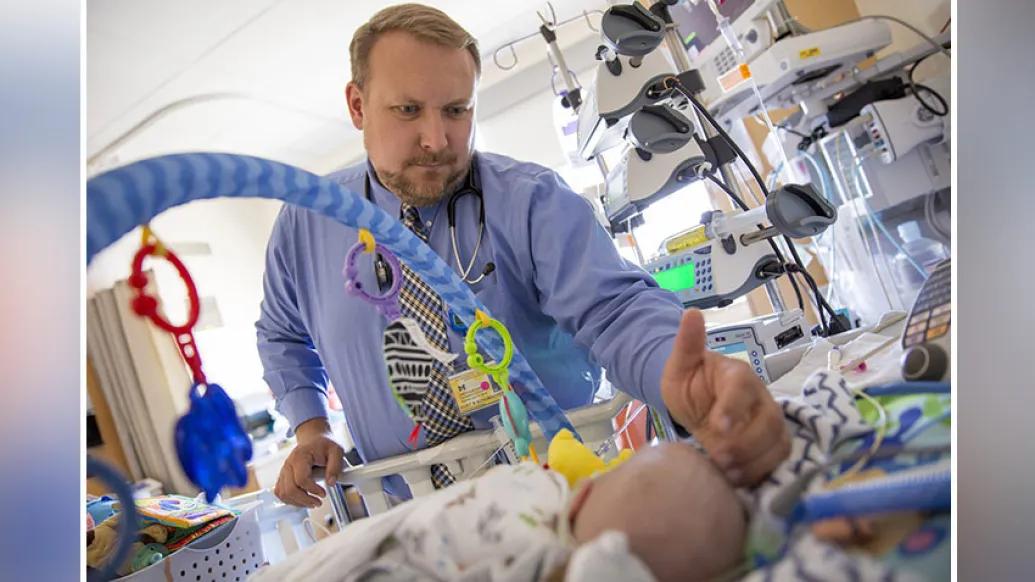
Despite great advances in care, some children with heart disease still experience a cardiac arrest during their hospital stay.
But a recent initiative at University of Michigan Health C.S. Mott Children's Hospital, and 14 other hospitals, helped reduce this dangerous risk for young heart patients treated in the pediatric cardiac intensive care unit.
Implementing a low-cost, low-technology prevention strategy decreased in-hospital cardiac arrests by 30% at participating hospitals, and the practice changes can be replicated at any institution, according to a recent study in JAMA Pediatrics.
MORE FROM THE LAB: Subscribe to our weekly newsletter
The project was led by Jeffrey Alten, M.D., from Cincinnati Children's Hospital Medical Center and conducted across hospitals participating in the Pediatric Cardiac Critical Consortium, also known as PC4.
"PC4 allows us to work together across hospitals to conduct important research that wouldn't otherwise be possible with the relatively small numbers of patients at any one center," said Kurt Schumacher M.D., pediatric cardiologist at Mott and director of the PC4 Data Coordinating Center located at Michigan Medicine.
"These partnerships are critical to making the greatest impact – in this case improving survival for children in multiple hospitals around the country."
"Sharing data, best practices, and outcomes across hospitals are fundamental principles of PC4, and led to the success of this project," added Sarah Tabbutt, M.D., a pediatric cardiac intensivist at University of California, San Francisco Benioff Children's Hospital and the executive director of PC4.
Each institution participating in the study implemented a cardiac arrest prevention practice bundle within their ICU, with data analyzed at 12 months and 18 months later across 41,204 admissions.
SEE ALSO: Breaking Down Barriers in the Fight Against Congenital Heart Disease | University of Michigan
Researchers found a 30% relative reduction in in-hospital cardiac arrest rates during the intervention period, which translated to an average of 11 fewer cardiac arrests per month at participating hospitals.
Hospitals have made years-long investments in how to perform CPR and how to treat a cardiac arrest after it happens, but by the time a patient needs CPR, they may have already experienced irreversible harm, doctors say. Until now, there has been little research available on how to prevent cardiac arrest from happening in the first place.
The cardiac arrest prevention bundle, which included a twice-daily safety huddle, was designed to promote situational awareness and communication to recognize and mitigate deterioration in high-risk patients.
"We couldn't have done this without our nursing colleagues, advanced practice providers, and respiratory therapists," said Mary Olive, M.D., a pediatric cardiac intensivist who led the project implementation at Mott.
"We changed the culture in our ICU, from considering cardiac arrest an unpreventable event, to being able to identify high risk patients and develop a plan together across the care team to prevent a cardiac arrest."
SEE ALSO: Reducing Cardiac Arrests Among Pediatric Heart Patients
Investigators are excited about what the findings of this project mean for future studies.
"Moving forward, this project has helped to change the way we think about conducting research in children with heart disease" said Sara Pasquali, M.D., Mott pediatric cardiologist, and co-director of an initiative known as Cardiac Networks United.
"Through Cardiac Networks United, PC4 and seven other large networks have come together, collecting data that spans multiple phases of care across more than two thirds of all US congenital heart centers. This allows us to work together to study not only questions related to the ICU, but other important areas of care impacting children with heart disease."
Like Podcasts? Add the Michigan Medicine News Break on iTunes or anywhere you listen to podcasts.
Other participating centers included Cincinnati Children's Hospital Medical Center, Children's National Hospital, Medical City Children's Hospital, Le Bonheur Children's Hospital, Children's Mercy Hospital, Primary Children's Hospital, Children's Wisconsin, University of Alabama at Birmingham, Children's Hospital of Pittsburgh of University of Pittsburgh Medical Center, Phoenix Children's Hospital, Benioff Children's Hospital, Seattle Children's Hospital, University of Nebraska Medical Center Children's Hospital and Medical Center, Arkansas Children's Hospital, Nicklaus Children's Hospital, Children's Hospital Colorado, Medical University of South Carolina and Rady Children's Hospital.
Key funding sources included The Children's Heart Foundation, Congenital Heart Alliance of Cincinnati, and Castin' 'N Catchin' Charity Organization via Children's of Alabama.
Study cited: "Preventing Cardiac Arrest in the Pediatric Cardiac Intensive Care Unit Through Multicenter Collaboration," JAMA Pediatrics. DOI:10.1001/jamapediatrics.2022.2238

Health Lab
Explore thousands of health news & research stories by visiting the Health Lab homepage for more.
Media Contact

Public Relations
Department of Communication at Michigan Medicine
Stay Informed
Want top health & research news weekly? Sign up for Health Lab’s newsletters today!
Featured News & Stories

Distance, insurance, social factors may hinder access to lifesaving heart monitoring for children

Mobile health app improves heart failure medication use, dosing after hospitalization

High dose oxytocin protocol linked to lower postpartum hemorrhage rates

Continuing the legacy of a doctor’s doctor

4 ways to teach your teen safe driving habits