Helping patients with diabetic foot disease
Experts from the Michigan Lower Extremity Services clinic answer questions about diabetic foot ulcers and treatment options
5:00 AM
Author |

Diabetes-related foot complications are the most common cause of non-traumatic amputations in the United States.
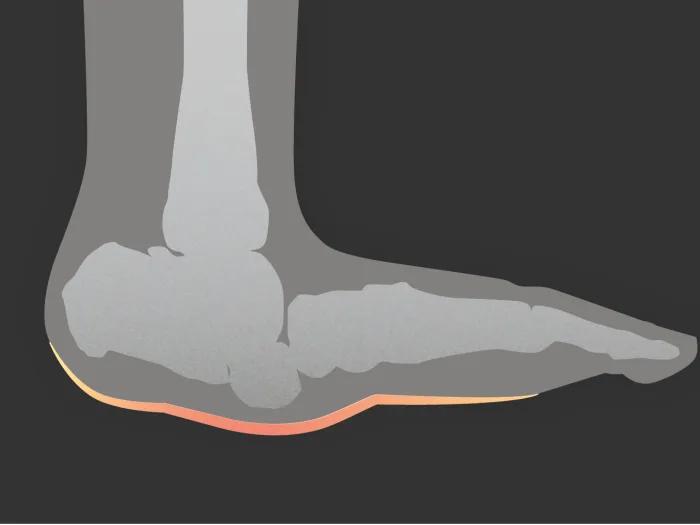
Diabetic foot ulcers are open sores or wounds commonly located on the bottom of the foot.
Of those who develop a foot ulcer, 6% are hospitalized due to infection or other ulcer-related complications, and up to a quarter of the patients who develop a foot ulcer undergo an amputation.
However, research has shown that the development of foot ulcers is preventable.
The Michigan Lower Extremity Services clinic at the University of Michigan Health is a multidisciplinary diabetic foot clinic that offers a comprehensive approach to managing diabetic foot disease.
The multispecialty clinic includes experts from podiatry, vascular surgery, infectious disease, occupational and physical therapy who help patients manage the disease.
Crystal Holmes, D.P.M., clinical professor of internal medicine and member of Caswell Diabetes Institute, and Peter Henke, M.D., professor of vascular surgery and a director of the Frankel Cardiovascular Center, answer questions about the risks for diabetic foot ulcers, treatment and prevention.
What are the risk factors for diabetic foot ulcers?
Holmes: Foot ulcers are a common and serious complication. Up to 15–25% of people with diabetes will develop a foot ulcer at some point in their lives.
Many patients assume that diabetic foot ulcers are inevitable or that nothing can be done to prevent or treat them.
With good foot care, regular monitoring and support from your healthcare team, most people can lower their risk, improve foot health and reduce complications.
The risk for diabetic foot ulcers is higher if you have nerve damage that causes loss of sensation in the feet, poor circulation affecting your ability to heal, foot deformities such as bunions or hammertoes, which can cause areas of rubbing inside shoes or a history of previous foot ulcers.
Henke: Native Americans, African Americans, Hispanics and older men are more likely to develop ulcers.
People who use insulin are at a higher risk of developing a foot ulcer, as are patients with diabetes-related kidney, eye and heart disease.
Being overweight and using alcohol and tobacco also play a role in the development of foot ulcers.
How do foot ulcers develop?
Holmes: Diabetic foot ulcers usually form when several risk factors combine.
After having diabetes for many years, patients may develop nerve damage and poor circulation.
After that, if they have a foot injury—like a blister from an ill-fitting shoe or pressure from a bunion or hammertoe—the lack of feeling may prevent them from noticing the problem and decreased blood flow slows healing.
This can allow a sore or ulcer to appear and worsen.
Henke: Vascular disease is primarily caused by atherosclerotic blockages in arteries, and this decreases blood flow to the foot, and makes healing slower or at times, impossible.
Learning how to check your feet is crucial in noticing a potential problem as early as possible.
Patients should inspect their feet every day—especially between the toes and the sole—for cuts, bruises, cracks, blisters, redness, ulcers or any sign of abnormality.
What treatment options are available?
Holmes: Early detection is key! The best outcomes happen when ulcers are identified and managed early to prevent infection and serious complications.
Treatment often includes protecting the ulcer with special shoes to relieve pressure, creating a moist, clean environment to promote healing and regular check-ups with a healthcare provider.
Henke: Surgical options include revascularization using a catheter or open bypass surgery. These procedures work to improve the blood flow to allow the foot ulcer to heal.
Healing may occur within weeks or require several months, with good wound care.
Learn more about the Michigan Lower Extremity Services clinic.
Sign up for Health Lab newsletters today. Get medical tips from top experts and learn about new scientific discoveries every week
Sign up for the Health Lab Podcast. Add us wherever you listen to your favorite shows

Health Lab
Explore thousands of health news & research stories by visiting the Health Lab homepage for more.
Media Contact

Public Relations
Department of Communication at Michigan Medicine
In This Story

Peter Henke, MD, FACS, FAHA
Professor

Crystal Murray Holmes, DPM, CWSP
Clinical Professor
Related
Study: Two-Thirds of Clinicians Lack Knowledge of Diabetes-Related Foot Complication

New clinical research program takes steps to predict and prevent diabetic foot ulcers
Stay Informed
Want top health & research news weekly? Sign up for Health Lab’s newsletters today!
Featured News & Stories

Examining mental health and reducing stigma in diabetes

Gene editing is coming for common diseases. Are we ready?

Is the United States Lagging Behind Europe in Memory Improvement?

New insight into how lipodystrophy can affect overall health

Tap dancer’s foot rescued after lifesaving heart surgery