Health plays a role in older adults' vulnerability to scams
People age 50 to 80 in worse mental or physical health, and those with worse memory or a disability, more likely to experience fraud than others
8:00 AM
Author |
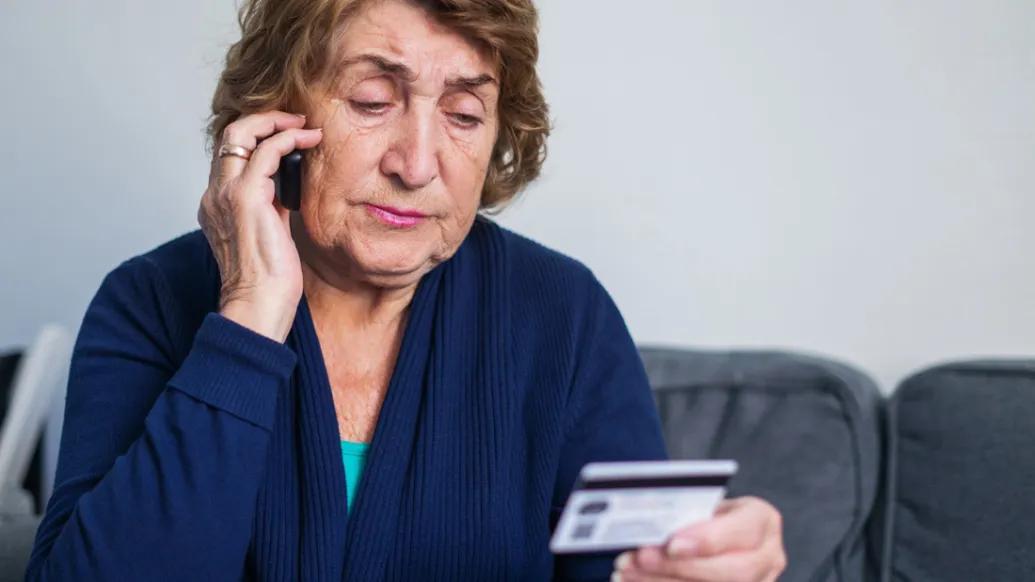
Three out of every four older adults say they have experienced a fraud attempt by phone, text, email, mail or online in the last two years, a poll shows.
See Michigan-specific findings from this poll
Three in 10 say they’ve been victims of at least one scam.
The poll reveals an especially strong link between an older adult’s health and their vulnerability to scams – both being able to spot one and becoming the victim of one.
Across the board, people aged 50 to 80 who reported being in fair or poor physical or mental health, those with disabilities, and those who rate their memory as fair or poor, were more likely than others their age to say they’d experienced fraud.
Whether or not they’d actually experienced fraud, older adults with health issues were more likely to lack confidence in their ability to spot a scam.
The results from the University of Michigan National Poll on Healthy Aging also suggest vulnerability among older adults who live alone or have lower incomes.
“Our findings of a strong connection between scam vulnerability and health adds important new data to ongoing efforts to reduce the devastating toll of scams on older adults’ finances and well-being,” said poll director Jeffrey Kullgren, M.D., M.P.H., M.S.
“We also found that no matter what their health status, older adults feel strongly that government and businesses should do more to educate and protect against scams.”
The poll is based at the U-M Institute for Healthcare Policy and Innovation and supported by AARP and Michigan Medicine, the University of Michigan’s academic medical center.
The poll team asked a national sample of adults age 50 to 80, and an additional group of adults in this age range in Michigan, about scam-related experiences in the last two years and about attitudes toward scam awareness and prevention.
The Michigan-specific polling was supported by the Michigan Health Endowment Fund as a prelude to a Michigan Poll on Healthy Aging launching in spring 2024. A summary of Michigan-specific findings is also available.
In general, 75% of respondents reported experiencing a scam attempt at least once in the last two years, and 39% of this group said the scammers had succeeded in one or more ways.
Differences in scam experiences by health status and more
Specifically, 25% of those who experienced a scam attempt said scammers had compromised their bank or credit card account, or another type of account, 15% said they had an account get hacked, 9% lost money and 3% had their identity stolen.
When the poll team broke down the results by health status among those who had experienced a scam attempt, they found stark differences.
About 50% of older adults who had been targeted by a scam and who called their physical or mental health fair or poor, or said they have a health problem or disability that limits daily activities, reported experiencing fraud, compared with 35% to 38% of those in better health or with no limits on their daily activities.
No matter what their health status, older adults feel strongly that government and businesses should do more to educate and protect against scams."
There was also a gap in scam experiences by income, with 46% of those who have annual household incomes under $60,000 more likely to report that they’d experienced fraud from a scam, compared with 36% of those with higher incomes.
Older adults who say their mental health is fair or poor were much more likely to say that experiencing a scam had a major impact on their financial, mental, or physical well-being, with 41% saying so compared with 10% of those who rated their mental health as good or excellent.
The difference in scam impact was smaller, but still significant, between older adults who said they have fair or poor memory and those who do not, those who have a health problem or disability that limits daily activities and those without such limitations, those with household incomes under $60,000 compared with those with higher incomes, and those who live alone compared with those who live with others.
Recognizing scams and wanting more protection
More than half (57%) of older adults expressed uncertainty about their ability to spot a scam.
Again, health status mattered, with more than 65% of those in fair or poor physical or mental health, or with fair or poor memory, reporting this uncertainty compared with about 55% of those in better health or with better self-rated memory.
Also, 63% of women said they’re somewhat, not very confident, or not at all confident they can spot a scam, compared with 49% of men.
When the poll team asked older adults about their interest in learning more about how to spot and avoid scams, and their feelings about needing more protection from scams, the response was nearly universal.
In all, 83% of people age 50 to 80 said they want to know more about how to protect themselves – including 90% of those who said they aren’t very confident they can spot a scam.
Ninety-seven percent of older adults agreed that policymakers need to do more to protect people from scams, while 96% agreed that companies should do more.
Even those who said they were confident they can spot a scam, and those who said they had not experienced fraud in the past two years, were just as likely as their peers to agree with these statements.
“It stands to reason that older adults with health challenges experience fraud more than those without these challenges,” said Kathy Stokes, AARP’s director of fraud prevention programs.
“Fraud criminals are master manipulators of emotion, and anyone can experience a scam regardless of age, education, or income. When it comes to fraud susceptibility it’s less about who you are and more about how you are when you are targeted.”
AARP offers information and support for fraud victims through its Fraud Watch Network program.
The poll report is based on findings from a nationally representative survey conducted by NORC at the University of Chicago for IHPI and administered online and via phone in July and August 2023 among 2,657 adults aged 50 to 80. The sample was subsequently weighted to reflect the U.S. population. For the Michigan poll, responses from 314 Michigan respondents in the national sample were combined with responses from an additional 237 Michigan adults aged 50 to 80.
Read past National Poll on Healthy Aging reports and about the poll methodology.

Health Lab
Explore thousands of health news & research stories by visiting the Health Lab homepage for more.
Media Contact

Public Relations
Department of Communication at Michigan Medicine
Stay Informed
Want top health & research news weekly? Sign up for Health Lab’s newsletters today!
Featured News & Stories
A metabolic “switch” that could help reset scar-producing cells in scleroderma

Emergency room intervention pairs smartphone, telehealth counseling to reduce risky firearm behavior

Better prenatal care data could help prevent maternal complications, experts say
Pain, psychological factors and physical function closely linked in people with systemic sclerosis
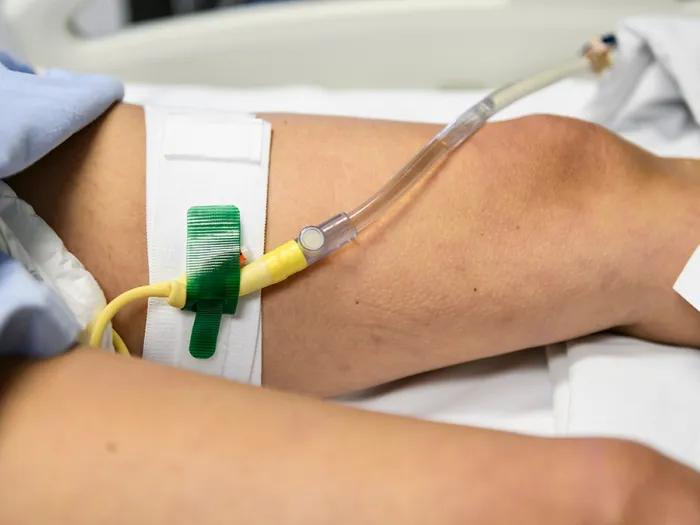
Many hospitals still don’t do enough to prevent UTIs from catheters