Gut Check: Rome IV Reflects Evolving IBS Understanding
Research on the microbiome and in other areas has changed the functional GI disorder treatment landscape, as reflected in new guidelines from the Rome Foundation.
2:00 PM
Author |
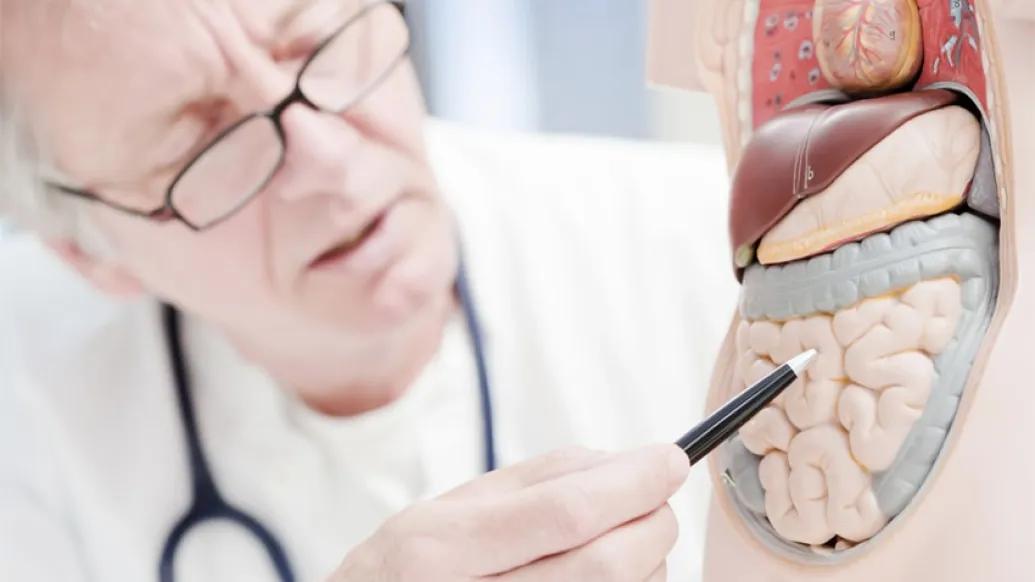
Between 10 and 15 percent of the U.S. population experiences symptoms of irritable bowel syndrome or IBS, a diagnosis based upon the presence of abdominal pain and altered bowel habits that can look vastly different across individuals.
"There's a tremendous burden of illness, and people who really suffer," says William D. Chey, M.D., a gastroenterologist and professor of medicine and nutrition sciences at the University of Michigan.
"Doctors say it's a bellyache; it's a problem with your bowel habits, but it won't kill you. Because it doesn't lead to mortality, a lot of times people don't appreciate how great of a burden it is on patients who suffer with these disorders," he explains.
To improve the diagnosis and outcomes for these patients and to update clinicians on the latest research, Chey and an international team of collaborators compiled Rome IV, updated diagnostic criteria on functional GI disorders. The publication also includes an educational program for health care providers on the latest research.
Both documents will be officially released at Digestive Disease Week (DDW) in San Diego, California, from May 21 to May 25.
10 years of data
Chey serves on the board of the Rome Foundation, a not-for-profit organization that supports research and education surrounding FGIDs. The last diagnostic criteria, Rome III, was released nearly 10 years ago, in 2007.
Since that time, research has revolutionized understanding of the microbiome, gut/brain interactions and other key areas related to digestive health.
"There's been a lot of new science that's been published — literally thousands of articles over the course of the last 10 years addressing the spectrum of functional GI disorders," Chey says.
"I think 10 years ago we were largely focused on medications to treat IBS. Medications still play an incredibly important role — they're still a cornerstone element of treating patients with IBS. But over the 10 years, there's been a growing recognition of the value of a more holistic approach to treating patients with IBS and other functional GI disorders," he adds.
With this in mind, two and a half years ago, eight international committees formed to investigate updates across the research spectrum, including microbiota data; information on IBS and diet; brain imaging and IBS; and research on IBS outcomes and endpoints, to provide new recommendations. It's a collaboration Chey calls "remarkable."
The role of the microbiome
One of the advancements reflected in Rome IV is how gut bacteria affect the genesis of IBS, Chey says. A variety of inputs are now known to impact the microbiome, including diet, stress and medications.
"If you stress animals or humans, that will alter the types of bacteria they have in their gut," Chey says, as an example. There is also evolving evidence to suggest that probiotics, in addition to improving GI symptoms like abdominal pain or bloating, also may improve non-GI symptoms, like anxiety, Chey notes — another reflection of the interconnectivity between gut health and total-body wellness.
Diet also plays an important role in a healthy microbiome and FGID symptoms.
"Those [two] things are not really separate — what you eat determines what lives inside your GI tract. While in 2007, we weren't really even talking about diet or microbiome, in 2016, we recognize the importance of addressing these factors in IBS patients," Chey says.
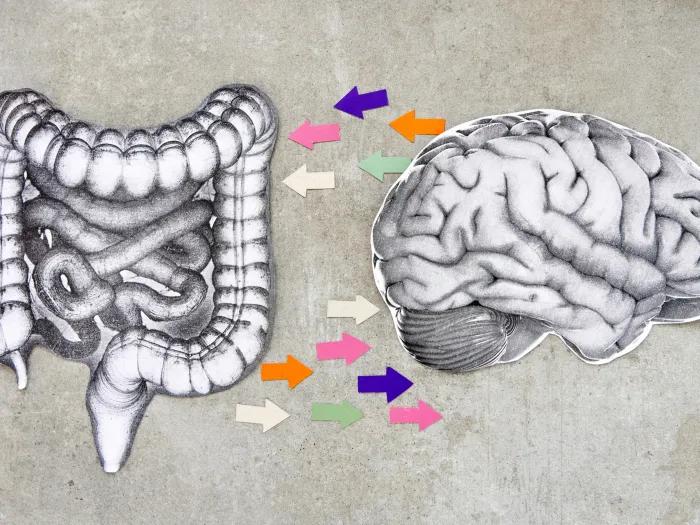
There's also now recognition that the brain interacts with the gut in a two-way fashion, Chey says. "There are GI symptoms that affect psychosocial wellness that can in turn affect GI symptom experience. It really is a two-way street."
On the whole, the field is undergoing an exciting period of growth — all the better for the millions of individuals with FGIDs.
"It's really stunning. We're on the verge of changing the way we think about IBS, and the way we manage IBS," Chey says.
Patient-to-patient differences
Individuals variances in FGIDs are another evolving area of understanding.
"One patient with IBS is quite a bit different than another patient with IBS," Chey says.
Hallmark symptoms can be "abdominal pain combined with diarrhea, constipation or a mixture of both." FGIDs also have frequent comorbidity with other health conditions, including depression and anxiety.
To reflect these differences, the Rome IV group developed the "multidisciplinary clinical profile" or MDCP to help clinicians comprehensively summarize the illness experience of their patients. MDCP includes the individual's specific diagnosis; clinical modifiers (which describe specific clinical characteristics like diarrhea or constipation, for example); psychosocial modifiers (such as comorbid anxiety or depression); and relevant biomarkers.
"Going forward, it's going to be important to characterize patients and to incorporate the ever-increasing library of biomarkers that can help clinicians better understand the physiology that underlies an individual patient's symptoms," Chey explains. "We think in the next five years, there will be biomarkers that will help doctors understand which treatment will be best for which patient."
This multidisciplinary approach is reflected at the University of Michigan, which had several additional faculty members involved in the Rome IV guidelines: gastroenterologists and professors of internal medicine Grace Elta, M.D., and William L. Hasler, M.D.
"We have one of the largest groups of expert physicians in the country devoted to [FGID] treatments," Chey says of U-M. "We have two programs that are really dedicated to caring for these patients. We've really developed a holistic multidisciplinary approach, which incorporates diet, lifestyle, physical therapy and new approaches to things like exercise and sleep."

Health Lab
Explore thousands of health news & research stories by visiting the Health Lab homepage for more.
Media Contact

Public Relations
Department of Communication at Michigan Medicine
Stay Informed
Want top health & research news weekly? Sign up for Health Lab’s newsletters today!
Featured News & Stories
Identifying avoidant, restrictive food intake disorder in gastroenterology patients

How gastroenterology nutrition therapy has evolved
IBS treatment response predicted by gut microbiome in new study
What to know about a benign liver cyst on your imaging results

Family that overcame Crohn’s supports research for future patients