Giving Pancreatic Cancer Patients More Shots on Goal
A new national initiative will change the face of clinical trials for pancreatic cancer through collaboration among researchers, clinicians and pharma.
7:00 AM
Author |
As more potential therapies are tested in cancer patients, there remains a gap for one of the most challenging cancer types: Only 4 percent of pancreatic cancer patients enroll in clinical trials across the United States.
SEE ALSO: Starving Pancreatic Cancer by Targeting Cell Metabolism
Pancreatic cancer has a distinct, more aggressive biology that tends to metastasize at much earlier stages. It's the third-leading cause of cancer-related death in the country.
A new initiative starting with more than 50 researchers and clinicians from across the world wants to change the face of clinical trials for pancreatic cancer. The Pancreatic Cancer Action Network is launching the first large-scale precision medicine trial designed to transform outcomes for patients with pancreatic cancer.
Bringing together the field's key stakeholders, including clinicians, researchers, and diagnostic and drug developers, the initiative, called Precision Promise, will put the patient at the center of every decision. The goal is to dramatically accelerate the clinical trial process to bring promising therapies to patients faster.
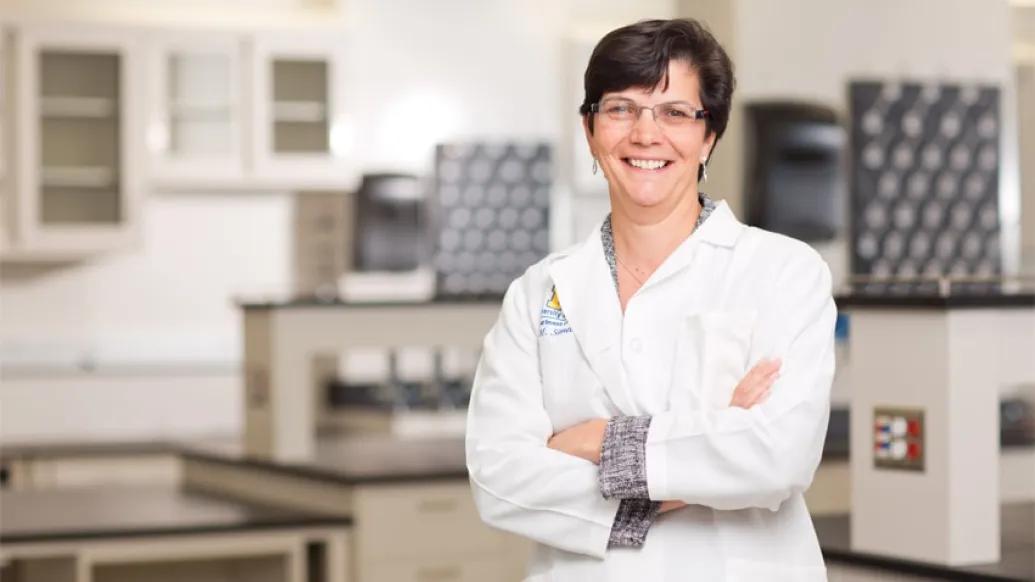
As a co-chair of the executive committee that helped create the vision for the initiative, Diane Simeone, M.D., says it's a game changer. Simeone is director of the Pancreatic Cancer Center at the University of Michigan, one of 12 sites to join Precision Promise. She discussed the new initiative.
Pancreatic cancer in particular has been so refractory to advancements that it's clear the research and clinical community need to work together to tackle it.
What are the challenges in pancreatic cancer when it comes to clinical trials?
Simeone: We have not made significant inroads in pancreatic cancer. This is a very difficult cancer that is highly likely to spread early on. It's the only major cancer left where survival is still in the single digits. So we need to do better.
One of the problems we find is that the most compelling science is not always driven into the clinical trial arena. Institutions are very siloed, and researchers have not worked together to advance the best science to have an impact for patients. As a research community, we have struggled to get access to all of the therapeutics we need. And the trials have been designed in a way that hasn't allowed us to learn why certain patients do or do not respond to specific therapies.
Pancreatic cancer in particular has been so refractory to advancements that it's clear the research and clinical community need to work together to tackle it.
How does Precision Promise address these issues?
Simeone: We have a very unique approach in which we'll give patients multiple shots on goal. Under one clinical trial design, we'll have substudies that allow us to use an individualized treatment approach based on the molecular profile of each patient's tumor. Every patient will have access to first-, second- and third-line clinical trial options. A patient can shift from one option to the next quickly, without wasting time between clinical trials. We've never done that in any cancer type.
Every patient's tumor will be comprehensively sequenced with biopsies before and during treatment so we can learn why things work and why they don't. By collecting and sharing this data, we can work more nimbly to improve our clinical trials and offer more options to patients.
The concept also brings the research community together in unique ways. All members of the consortium must make a commitment to fully share data and prioritize the trials implemented through the consortium. The Pancreatic Cancer Action Network has developed partnerships with the pharmaceutical industry to ensure we have full access to therapeutics that are already available or in the pipeline, to use either individually or in unique combinations.
We have assigned scientific working teams across the country so that the most compelling science can now be vetted at the national level. It's the science driving the clinical trials.
Why is the University of Michigan well suited for this kind of trial?
Simeone: What U-M brings to the table is our outstanding example of cooperative behavior. We not only foster a very collaborative environment here at Michigan, but we also routinely collaborate with other institutions around the country. It's an example of what this novel concept can look like.
SEE ALSO: Pancreatic Cancer Uses Alternative Fuel to Grow in a Hostile Environment
This is all counter to the things that have traditionally been rewarded in academia — individual achievement and institutional credit. But it's becoming clear that while individuals can make great scientific discoveries, no one center can tackle what needs to be fixed in clinical trials by working alone. By collaborating like this at a national level, we are going to develop a model that will enable us to be successful and make a real difference for patients.
What excites you most about Precision Promise?
Simeone: I've been working on pancreatic cancer for quite a while. My work began in basic science and then became translational. At that time, it became very clear to me that a huge drop-off happened when the science moved to clinical trials. With Precision Promise, we have the opportunity to do something really remarkable to change therapeutic options for patients.
I have had the privilege to take care of pancreatic cancer patients for many years. This effort has the potential to completely change the landscape for pancreatic cancer. I am so excited to work in this national collaborative effort to push the limits of what we can achieve together on behalf of our patients.

Health Lab
Explore thousands of health news & research stories by visiting the Health Lab homepage for more.
Media Contact

Public Relations
Department of Communication at Michigan Medicine
Stay Informed
Want top health & research news weekly? Sign up for Health Lab’s newsletters today!
Featured News & Stories

Understanding family history key to early detection of pancreatic cancer

Patient with rare form of diabetes finds answers in genetic testing, clinical trials

Online resources and coaching helped people seek genetic testing for cancer

Liver cancer can be preventable. Do you know the treatable risk factors?
Michigan Alzheimer's Disease Research Center receives $22M to advance efforts statewide