Frequently using digital devices to soothe young children may backfire
Smartphones and tablets may help calm down a preschooler short term but could reduce opportunities to practice emotional coping skills, a study suggests.
11:00 AM
Author |
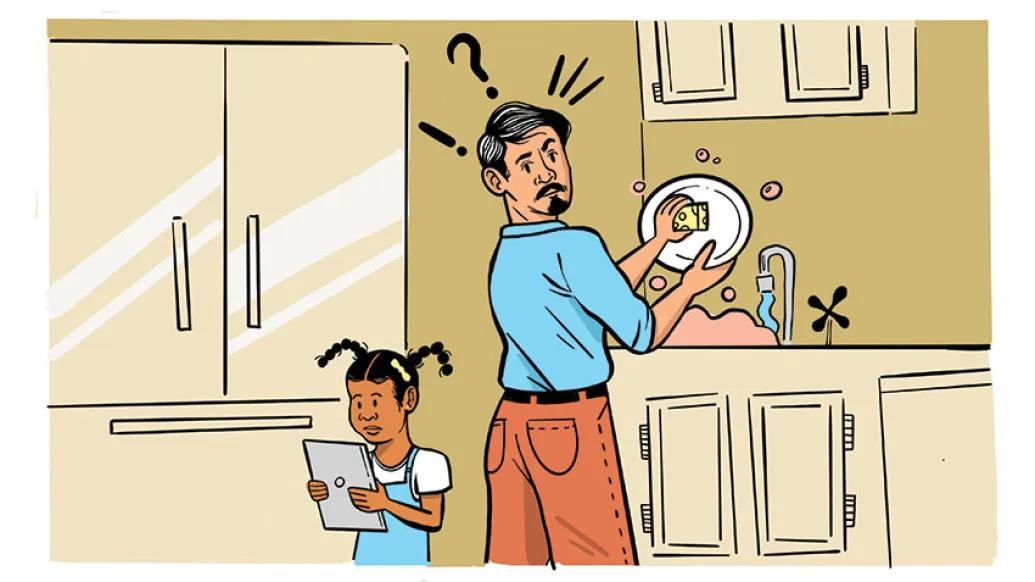
It's a scene many parents have experienced – just as they're trying to cook dinner, take a phone call or run an errand, their child has a meltdown.
And sometimes, handing a fussy preschooler a digital device seems to offer a quick fix. But this calming strategy could be linked to worse behavior challenges down the road, new findings suggest.
Frequent use of devices like smartphones and tablets to calm upset children ages 3-5 was associated with increased emotional dysregulation in kids, particularly in boys, according to a Michigan Medicine study in JAMA Pediatrics.
"Using mobile devices to settle down a young child may seem like a harmless, temporary tool to reduce stress in the household, but there may be long term consequences if it's a regular go-to soothing strategy," said lead author Jenny Radesky, M.D., a developmental behavioral pediatrician at University of Michigan Health C.S. Mott Children's Hospital.
"Particularly in early childhood, devices may displace opportunities for development of independent and alternative methods to self-regulate."
The study included 422 parents and 422 children ages 3-5 who participated between August 2018 and January 2020, before the COVID-19 pandemic started. Researchers analyzed parent and caregiver responses to how often they used devices as a calming tool and associations to symptoms of emotional reactivity or dysregulation over a six-month period.
Signs of increased dysregulation could include rapid shifts between sadness and excitement, a sudden change in mood or feelings and heightened impulsivity.
Findings suggest that the association between device-calming and emotional consequences was particularly high among young boys and children who may already experience hyperactivity, impulsiveness and a strong temperament that makes them more likely to react intensely to feelings like anger, frustration and sadness
"Our findings suggest that using devices as a way to appease agitated children may especially be problematic to those who already struggle with emotional coping skills," Radesky said.
She notes that the preschool-to-kindergarten period is a developmental stage when children may be more likely to exhibit difficult behaviors, such as tantrums, defiance and intense emotions. This may make it even more tempting to use devices as a parenting strategy.
"Caregivers may experience immediate relief from using devices if they quickly and effectively reduce children's negative and challenging behaviors," Radesky said. "This feels rewarding to both parents and children and can motivate them both to maintain this cycle. The habit of using devices to manage difficult behavior strengthens over time as children's media demands strengthen as well. The more often devices are used, the less practice children – and their parents – get to use other coping strategies."
Alternative soothing methods can help build emotion regulation skills
Radesky, who is a mother of two herself, acknowledges that there are times when parents may strategically use devices to distract children such as during travel or multitasking with work. While occasional use of media to occupy children is expected and realistic, it is important for it not to become a primary or regular soothing tool.
Pediatric health professional should also initiate conversations with parents and caregivers about using devices with young children and encourage alternative methods for emotional regulation, she says.
Among solutions Radesky recommends when parents are tempted to turn to a device:
- Sensory techniques: Young kids have their own unique profiles of what types of sensory input calms them down. This could include swinging, hugging or pressure, jumping on a trampoline, squishing putty in their hands, listening to music or looking at a book or sparkle jar. If you see your child getting antsy, channel that energy into body movement or sensory approaches.
- Name the emotion and what to do about it: When parents label what they think their child is feeling, they both help the child connect language to feeling states, but they also show the child that they are understood. The more parents can stay calm, they can show kids that emotions are "mentionable and manageable," as Mister Rogers used to say.
- Use color zones: When children are young, they have a hard time thinking about abstract and complicated concepts like emotions. Color zones (blue for bored, green for calm, yellow for anxious/agitated, red for explosive) are easier for kids to understand and can be made into a visual guide kept on the fridge, and help young children paint a mental picture of how their brain and body is feeling. Parents can use these color zones in challenging moments ("you are getting wiggly and in the yellow zone – what can you do to get back to green?")
- Offer replacement behaviors: Kids can show some pretty negative behaviors when they are upset, and it's a normal instinct to want it to just stop. But those behaviors are communicating emotions – so kids might need to be taught a safer or more problem-solving replacement behavior to do instead. This might include teaching a sensory strategy ("hitting hurts people; you can hit this pillow instead") or clearer communication ("if you want my attention, just tap my arm and say "excuse me, mom.")
Parents can also prevent tech-related tantrums by setting timers, giving kids clear expectations of when and where devices can be used, and use apps or video services that have clear stopping points and don't just auto-play or let the child keep scrolling.
When children are calm, caregivers also have opportunities to teach them emotional coping skills, Radesky says. For example, they can talk to them about how their favorite stuffed animal might be feeling and how they handle their big emotions and calm down. This type of playful discussion uses kids' language and resonates with them.
"All of these solutions help children understand themselves better, and feel more competent at managing their feelings," Radesky said. "It takes repetition by a caregiver who also needs to try to stay calm and not overreact to the child's emotions, but it helps build emotion regulation skills that last a lifetime.
"In contrast, using a distractor like a mobile device doesn't teach a skill – it just distracts the child away from how they are feeling. Kids who don't build these skills in early childhood are more likely to struggle when stressed out in school or with peers as they get older."
Study cited: "Longitudinal association between use of mobile devices for calming and emotional reactivity and executive functioning in children aged 3 to 5 years," JAMA Pediatrics. DOI: 10.1001/jamapediatrics.2022.4793.
Like Podcasts? Add the Michigan Medicine News Break on iTunes or anywhere you listen to podcasts.

Health Lab
Explore thousands of health news & research stories by visiting the Health Lab homepage for more.
Media Contact

Public Relations
Department of Communication at Michigan Medicine
Stay Informed
Want top health & research news weekly? Sign up for Health Lab’s newsletters today!
Featured News & Stories

Young Kids’ YouTube Viewing Dominated by Consumerism, Ads
4 ways to teach your teen safe driving habits

U-M-led consortium to receive up to $52 million in NIH funding to study why viral respiratory infections affect children differently
4 in 5 parents say having a baby is too expensive

Better prenatal care data could help prevent maternal complications, experts say