Former army medic turned emergency physician offers training, care during Ukraine war
He’s trained hundreds of health care workers on providing trauma care.
5:00 AM
Author |

The family had escaped from Mariupol, Ukraine, just weeks after the invasion began. As they were leaving, their car was hit by small arms fire. The mother was killed. Both the father and child were shot, leaving the child with a fractured leg that needed surgery.
In the field, medics got to the family quickly to place tourniquets, splint fractures and initiate additional treatments. They stabilized the survivors before heading to the hospital where the daughter had an operation.
Amid the horror of war, health care workers provided lifesaving care that followed the principles of trauma life support – with training from a former army medic who now practices in Michigan.
SEE ALSO: Surgeon organizes medical supply drive for Ukrainian hospitals
"Initial stabilization and good pre-hospital care can make all the difference in these situations," said Florian Schmitzberger, M.D., M.S., an emergency physician at University of Michigan Health. "When that is followed by good trauma care in the hospital, that allows for survival even in some of the worst cases."
Before beginning medical school in Germany, Schmitzberger served as a medic in the Austrian army. His time in the military led him to emergency medicine, and he began going on medical relief missions in 2009 to utilize his skills in trauma and pre-hospital care.
MORE FROM MICHIGAN: Sign up for our weekly newsletter
By the time he arrived in the United States for residency in 2018, Schmitzberger's humanitarian work had taken him from the Burmese border to the Syrian border, from Venezuela to Afghanistan. In March of 2022 after Russian invaded Ukraine, he was called to fly out.
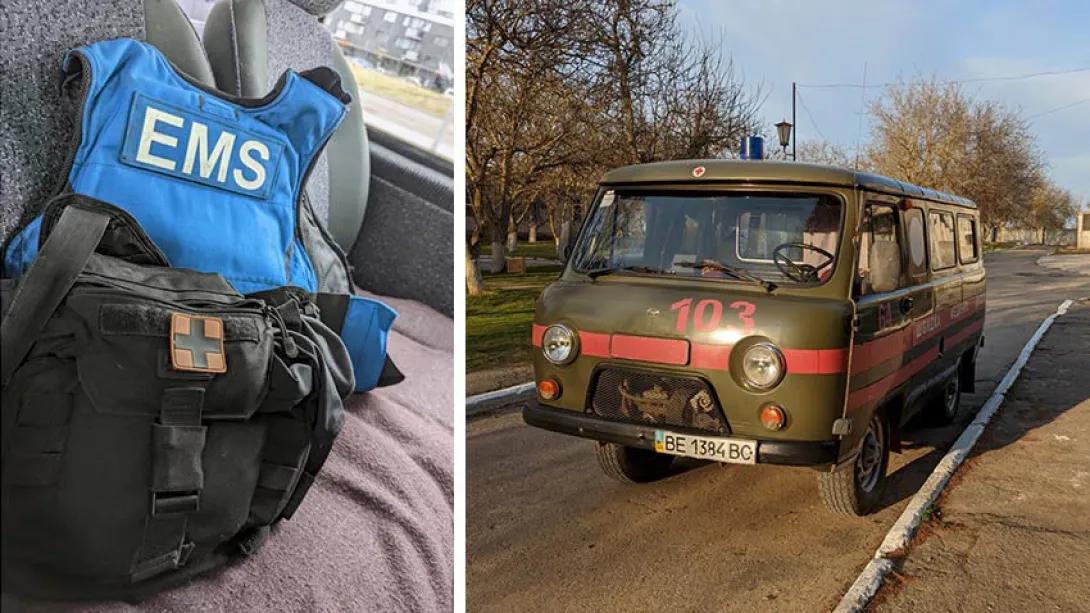
"I was tasked to be the medical lead for the first educational mission from pretty much the beginning of the conflict," said Schmitzberger, who works with Global Response Management, a nongovernmental organization. "The health care workers in Ukraine were prepared to soak up all of this information because they were worried about providing the best possible care to an increasing number of trauma patients with many different needs.
Schmitzberger has since lectured hundreds of health care providers – physicians, nurses, medics and more – drawing on his past experience in other conflicts. His training spanned many facets of care from stabilization at the point-of-injury using torniquets and chest tubes to advanced trauma life support in the hospital
Like Podcasts? Add the Michigan Medicine News Break on Spotify, Apple Podcasts or anywhere you listen to podcasts.
He and his team also worked to improve emergency medical transport of patients to safe zones in and out of the country, as well provide direct medical surgical relief to hospitals full of sick and injured patients.
"Their medical system is quite good, but a lot of hospitals weren't used to handling acute traumatic injuries, especially in the numbers they were seeing," Schmitzberger said. "We had several packed lectures and trainings, and it was really great to see them implement the advice we were giving, as well as what I've learned from working in prior conflicts, in real time."
In regions with more combat activity, the World Health Organization had tasked Schmitzberger and his team to provide direct patient care. There, they worked directly with physicians who had not left the hospital since the beginning of the war. As providers flex to fit the need of patients of a country under fire, the former medic has also worked to bring his experience from residency training to provide as much relief as possible.
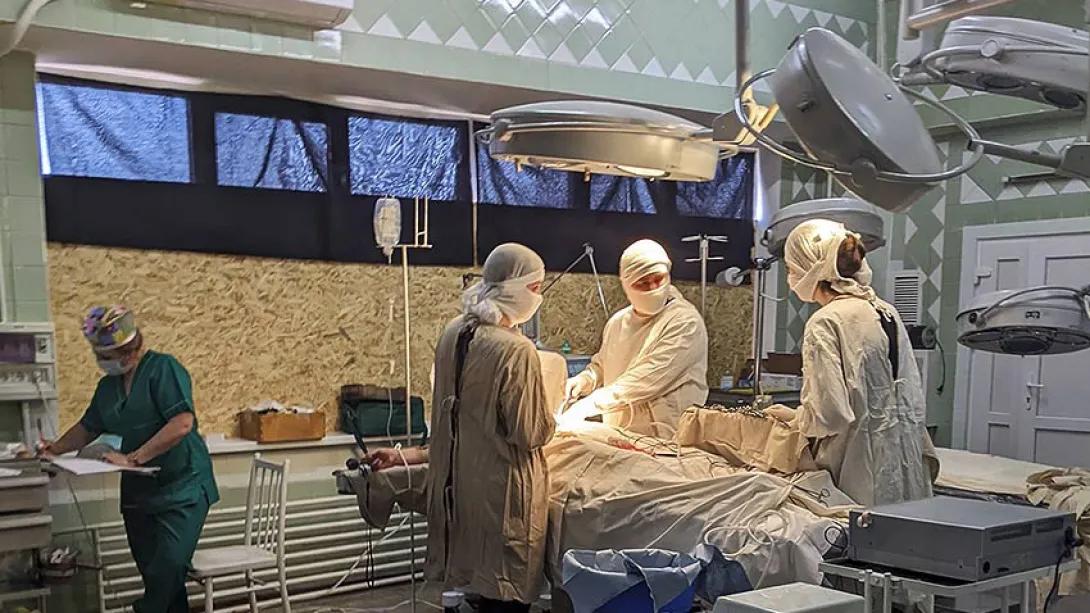
"Working at a trauma center in Flint, we see an unfortunate number of penetrating injuries," he said. "So, I try to bring that knowledge to help them deal with very unique situations."
Prehospital or out-of-hospital care is an essential component of the health care continuum, said Graham Smith, M.D., emergency physician at U-M Health and a deputy medical director for the Washtenaw/Livingston Medical Control Authority.
SEE ALSO: Stressed by what's going on in Ukraine? How to cope – and help
"Especially in cases of trauma, efficient and effective prehospital care and transport can be lifesaving," Smith said. "Dr. Schmitzberger has a tremendous amount of experience in both the prehospital and in-hospital emergency medicine settings. It is fantastic to see him utilize his skillset and knowledge in these creative and critical initiatives across the globe. Most importantly, however, is that Dr. Schmitzberger is a genuine, kind physician and truly cares for others. This is evident in all the work he does."
Schmitzberger has now been to Ukraine twice during the war, making a return trip a month later. The organization he works with is continuing its operation there indefinitely, and, while he continues to provide logistical support from Michigan, Schmitzberger hopes to return.
"This is turning into somewhat of a war of attrition, and the people of Ukraine are so deserving of our support," he said. "I would encourage any health care providers who want to assist to reach out to mebecause there are safe ways to help. You don't need military experience to make a difference."
To reach Schmitzberger for conversations about humanitarian work, email [email protected].
Live your healthiest life: Get tips from top experts weekly. Subscribe to the Michigan Health blog newsletter
Headlines from the frontlines: The power of scientific discovery harnessed and delivered to your inbox every week. Subscribe to the Michigan Health Lab blog newsletter
Like Podcasts? Add the Michigan Medicine News Break on iTunes or anywhere you listen to podcasts.

Health Lab
Explore a variety of health care news & stories by visiting the Health Lab home page for more articles.
Media Contact

Public Relations
Department of Communication at Michigan Medicine
Stay Informed
Want top health & research news weekly? Sign up for Health Lab’s newsletters today!
Featured News & Stories
Celebrating cardiac arrest survivors and their lifesavers
How AI is helping emergency physicians learn from their patients
Emergency EEG study suggests need for faster seizure diagnosis and care options
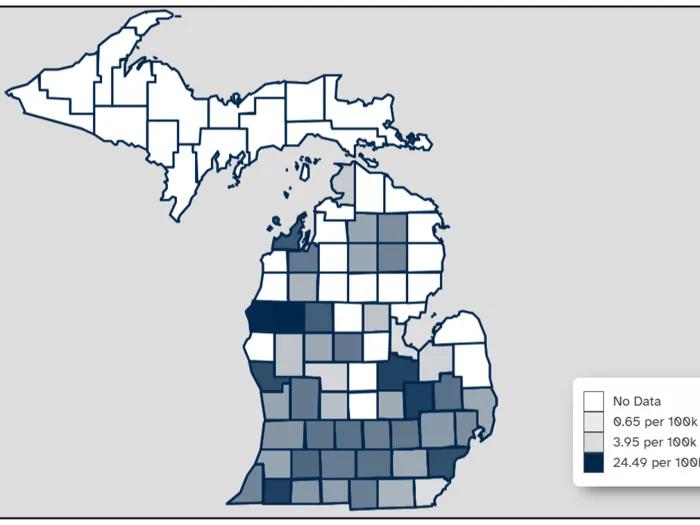
Michigan firearm data now available in near real-time
NASCAR star’s death shows how sepsis can kill anyone if not caught