Forget Old Movies: 9 Truths About ‘Shock Therapy’ Today
For people with depression, bipolar disorder, autism or another mental health condition that hasn’t responded to other treatments, modern electroconvulsive therapy may help.
1:00 PM
Author |
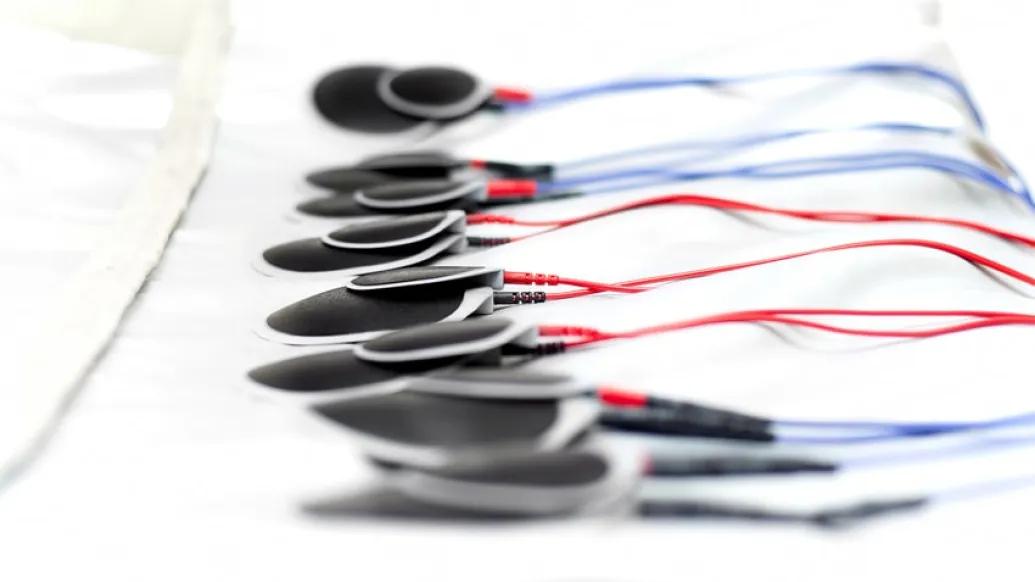
Flipping through channels late at night, you may come across an old movie that shows someone getting electroshock therapy, and wonder if anyone still does that today.
Indeed, they do. But things have changed a lot since the 1960s, when the treatment was new and movie directors loved to make it look dramatic.
SEE ALSO: How Diet Influences Mood and Mental Health
The basic idea remains the same: The treatment aims to ease mental illness symptoms by stimulating specific areas of the brain with mild electrical currents and "rebooting" brain activity.
Today, it's called electroconvulsive therapy, or ECT, and it helps tens of thousands of patients each year.
As with any treatment, patients and families should ask many questions and do their own research before deciding to try ECT. For those who want to know more, here are nine surprising facts about how it's done now, and who it can help.
It can help people when other treatments haven't.
Individuals with depression and bipolar disorder should try talk therapy and medicines first. But if someone tries therapy, or three or four medicines over several years, and still fails to improve, ECT might be a good option. The same goes for people with autism who repeatedly show self-injury behaviors, as well as people with other severe mood symptoms or psychosis.
If someone with severe depression, bipolar mania or psychosis is having constant suicidal thoughts, not eating or drinking, or becoming unresponsive, ECT may jump to the front of the line for immediate use.
Patients are asleep the whole time.
ECT is done under general anesthesia, so patients don't feel a thing. Modern ECT treatment units, such as the new one that just opened at the University of Michigan, provide comfortable surroundings to prepare for the anesthesia, and to wake up slowly from it.
It only takes a few minutes each time.
To perform an ECT treatment, doctors use special equipment to deliver a mild pulse of electrical energy to the patient's head for a few seconds. It travels into the brain and causes a seizure that lasts about a minute.
There's no jerking around or gnashing of teeth like in the movies. In fact, the main way a seizure is monitored is by the readout on a machine that tracks brain activity.
This mild, short seizure, in simplest terms, may "reboot" the electrical activity of the brain. Biological effects of the brief seizure cause changes in brain chemicals — such as serotonin, norepinephrine and dopamine — which are believed to be connected to mood-related problems, like depression, and other disorders.
After a handful of treatment sessions, relief can last months or years.
Every person is different, but doctors usually recommend that patients get ECT treatments three times a week for two to four weeks. Many patients find that their symptoms go away, or are much less severe, for months to years after treatment.
Since depression can come in repeating cycles, some people may need to return for another course of treatments. Other people find they need to get "maintenance" ECT over many months to keep symptoms at bay. These less-frequent treatments are often separated by weeks.
Most insurance programs cover it with a doctor's referral.
ECT is considered an established therapy option for certain conditions, so many insurance plans cover it — including plans offered by major private insurance companies and Medicare.
Like any treatment, ECT does have potential side effects.
The most widely known is memory loss — both short-term during a course of treatment, and loss of memories from the months before treatment began. But doctors today know much more about how to avoid or reduce memory loss by carefully choosing where they deliver the electrical impulses.
Going under anesthesia also carries its own risks. Anyone considering ECT should talk about all the potential risks with their care team to decide if it's right for them.
It's not just for adults.
While parents have to carefully consider any treatment of mental illness in children and teens, ECT can bring relief to young people who have failed to get help from other treatments.
ECT treats more than depression.
For people with much rarer mental health conditions, such as schizophrenia, psychosis or a catatonic state caused by a mental health condition, ECT can provide a dramatic and immediate effect.
Research keeps making it better.
Hundreds of studies have been done on ECT to figure out which patients benefit most, and how to deliver it with the lowest possible electrical energy while still easing symptoms. It's one of the most studied mental health treatments available.
For some patients with depression, there are also other brain-stimulating treatment options, called transcranial magnetic stimulation and vagus nerve stimulation. Together with ECT, they're called "neuromodulation" therapies.

Health Lab
Explore thousands of health news & research stories by visiting the Health Lab homepage for more.
Media Contact

Public Relations
Department of Communication at Michigan Medicine
Stay Informed
Want top health & research news weekly? Sign up for Health Lab’s newsletters today!
Featured News & Stories

What’s the latest on 7-OH and kratom availability and addiction care?

Depression in OBGYN residents needs more attention, study suggests
Pain, psychological factors and physical function closely linked in people with systemic sclerosis

Studying Period Pain

Foundation gift inspires additional gifts to strengthen youth mental health care