Just as seat belts and helmets protect kids from injuries, a careful approach to food safety can help safeguard your family from food poisoning and food borne illness. These tips can help you make sure the foods you eat are safe.
Preventing food poisoning
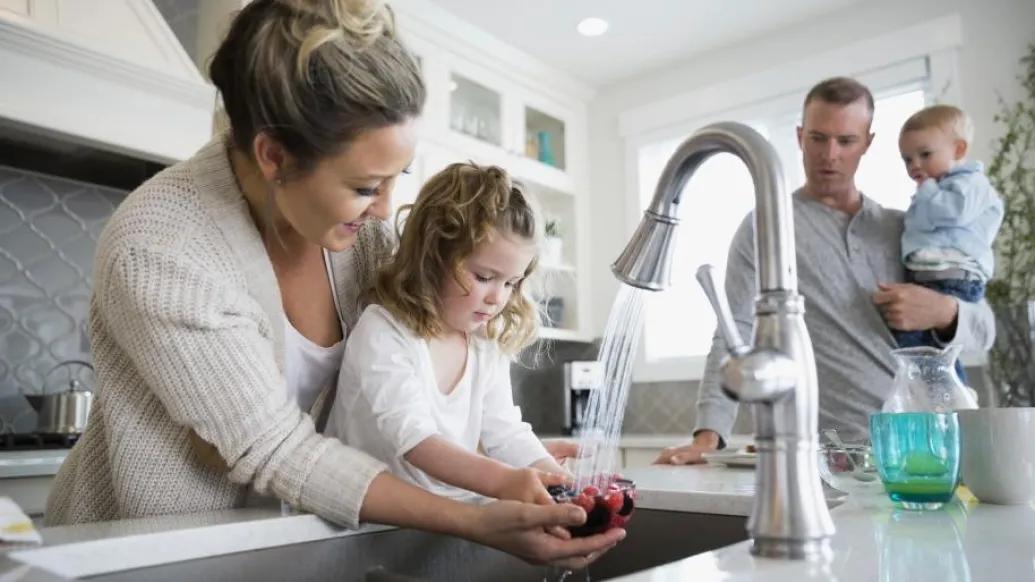
- Wash your hands before and after handling food. Use warm water and soap, and wash for at least 20 seconds.
- Keep your refrigerator set at 40ºF (4.4ºC) or lower and your freezer at 0ºF (-17.7ºC) or lower.
- Refrigerate or freeze perishable foods promptly—within two hours of purchasing or preparing them. If the room temperature is above 90ºF (32.2ºC), refrigerate perishable foods within one hour.
- After using cutting boards, counters, and sinks for raw meat, poultry, or fish, wash them with hot soapy water. You can take an extra precaution by sanitizing with a mild bleach solution—one tablespoon of unscented, liquid chlorine bleach in one gallon of water.
- Use a food thermometer when you cook to ensure foods reach safe temperatures. Cook ground beef to 160ºF (71.1ºC); steaks, roasts, and chops – such as lamb, pork and veal – to at least 145ºF (62.8ºC). Cook chicken and turkey to 165ºF (73.9ºC). Make sure fish and shellfish are cooked thoroughly.
- Refrigerate hot foods as soon as possible, within two hours after cooking.
- If you want to eat raw cookie dough, or prepare foods with raw eggs, buy a pasteurized egg product, which is often available in the grocery store dairy section.
- Date your leftovers and don’t keep them more than 3-5 days.
- Try using a dishcloth rather than a sponge. Dishcloths can be washed regularly (at least weekly) in hot water to kill germs, while sponges stay moist and provide an environment for bacterial growth. Rinse your dishcloth thoroughly and wring it out before hanging it to dry between uses.
- If you use a sponge, replace it weekly. Rinse it between uses and allow it to dry. Studies have shown that microwaving a sponge to sanitize it only increases resistant bacteria.
- Run your drain cover through the dishwasher regularly.
- If you are pregnant, you are at higher risk for getting sick from Listeria, a bacterium found in many foods. Listeriosis can affect your baby and even cause a miscarriage.
Safe ways to thaw food
- Refrigerator: Usually takes about 24 hours to thaw. Larger items (frozen turkey) usually take about 24 hours for every five pounds. After thawing in the refrigerator, items should remain safe and in good quality for an additional day or two before cooking. Food thawed in the refrigerator can be refrozen before cooking, although there may be some loss of quality.
- Cold water (not warm or hot): Place food in leak-proof bag. Change water every 30 minutes. One pound of food should thaw within an hour. 3–4 pounds of food may take 2–3 hours. Food should be cooked immediately after thawing.
- Microwave: Food should be cooked immediately after thawing.
Is it okay to cook without thawing?
It is safe to cook foods from the frozen state. The cooking will take approximately 50 percent longer than the recommended time for fully thawed or fresh meat and poultry.
Hand washing
Hand washing is an important habit for parents and kids. Wash hands after using the toilet or handling diapers and before handling food, eating, and feeding children. You need to wash your hands with water and soap. It doesn’t really matter what kind of soap you use. Antibacterial soaps are no better at cleaning your hands than plain soap. They have also been shown to increase resistant bacteria. After washing, dry your hands on a clean towel.
If there's no visible dirt on your hands, alcohol-based (at least 60 percent) hand sanitizing gels may be a good alternative to hand washing. You may even have more luck getting your kids to sanitize their hands when they come home from school or after blowing their noses than getting them to wash with soap and water.
Use caution with small children and hand sanitizing gels. Sanitizing gels contain mostly ethyl alcohol and are toxic if swallowed. Keep out of reach of children. Avoid buying brands with fruit or other appealing scents that may tempt kids to taste them.
Choking prevention
Food accounts for more than half of all choking episodes. Much of the choking prevention advice parents keep in mind with babies is still relevant for children up to age 7!
- Keep a watchful eye on children when eating and playing.
- Keep dangerous toys, foods, and household items out of reach.
- Learn how to provide early treatment for children who are choking.
Additional resources:
- Food and Pesticides (epa.gov)
- Choking prevention tips (Your Child)
- Foodsafety.gov
- How to Prevent Your Kids from Getting Food Poisoning (Michigan Medicine Health Blog)
Reviewed by Sara Laule, MD
Updated September 2017

Health Lab
Explore thousands of health news & research stories by visiting the Health Lab homepage for more.
Media Contact

Public Relations
Department of Communication at Michigan Medicine
Stay Informed
Want top health & research news weekly? Sign up for Health Lab’s newsletters today!
Featured News & Stories

Safe sleep for babies

Spring and Summer Safety

Summer Camp

Vaccine Safety
PFAS Contamination