First-year residents reflect on their journeys and offer advice for Match Day
Recent medical school graduates recount their first years as working physicians
5:00 AM
Author |
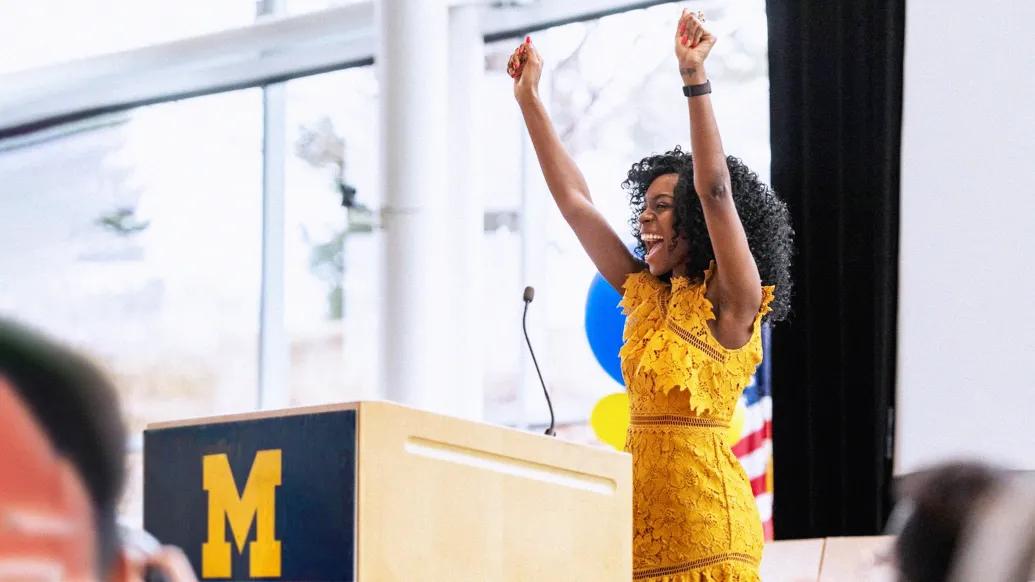
It’s March, which means shamrocks, green beer and celebration are on the horizon for many. But St. Patrick’s Day isn’t the only festive occasion this month. Match Day, when thousands of medical students across the country learn where they’ll be headed for their respective residency programs, also happens at this time every year.
“When I was a senior medical student, otolaryngology was an ‘early match’ specialty and I remember being very nervous (and excited!) as Match Day approached,” said Erin McKean, M.D., MBA, FACS, assistant dean for student services at the University of Michigan Medical School. “It was such a strange mix of feelings to match – fun, but also stressful to find out where I would be spending the next several years of my life.”
McKean goes on to add that as graduating medical students head into their residency training, her best advice revolves around “valuing interprofessional care and education.”
“As working physicians, you will gain many allies in nurses, advanced practice providers, therapists, technicians and physicians in other specialties,” she said. “You will need these relationships both inside and outside of medicine, so make sure to build your network of support. It’s important. And always remember that it’s OK to ask for help along the way.”
SEE ALSO: U-M Faculty Members: My Residency Match Day (michiganmedicine.org)
Here, several post-graduate year one house officers with U-M Medical School ties reflect on their first years of residency training and offer additional advice to graduating seniors.
Clare Anderson, M.D., 2022 U-M Medical School graduate and Internal Medicine House Officer at Duke University
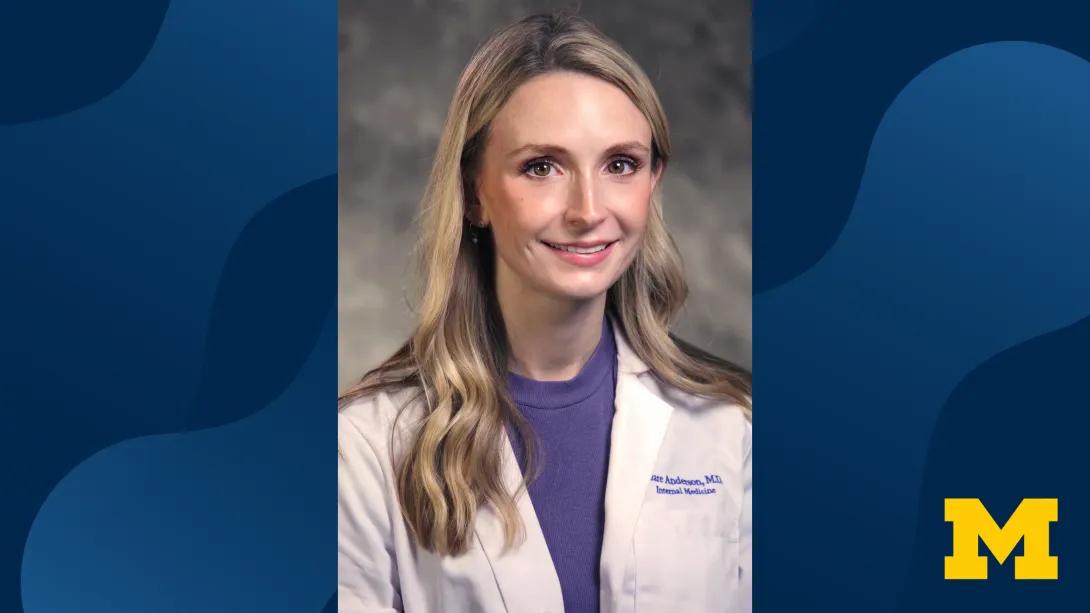
“I can't believe it's been almost one year since my own Match Day. I remember it being an exciting and emotionally-charged time, and what follows is a slew of worry about intern year – the hours, the responsibilities, the change. But even though these feelings are immense, I wish I could have known back then just how fulfilling this year would be. It’s amazing to finally be working in the career that I’ve worked so hard for.
As graduating medical students head into their intern year, it’s important for them to remember to be kind to themselves and to connect with their peers regularly. It's very easy enter the year with wildly high expectations for yourself, and it becomes emotionally exhausting to keep them going, especially at the beginning of the year when your main job is to learn how to be an intern and function within the hospital.
SEE ALSO: Match Day, and Trusting the Process (michiganmedicine.org)
With all the learning, inevitably comes mistakes and growing pains, but it’s essential to remind yourself that you are doing your best and doing right by your patients by showing up and learning every single day.
And for the days when self-talk isn't cutting it, just remember that making time to chat and laugh with co-residents is truly the best medicine – no pun intended!”
Jennie DeBlanc, M.D., 2022 U-M Medical School graduate and Obstetrics and Gynecology House Officer at Michigan Medicine
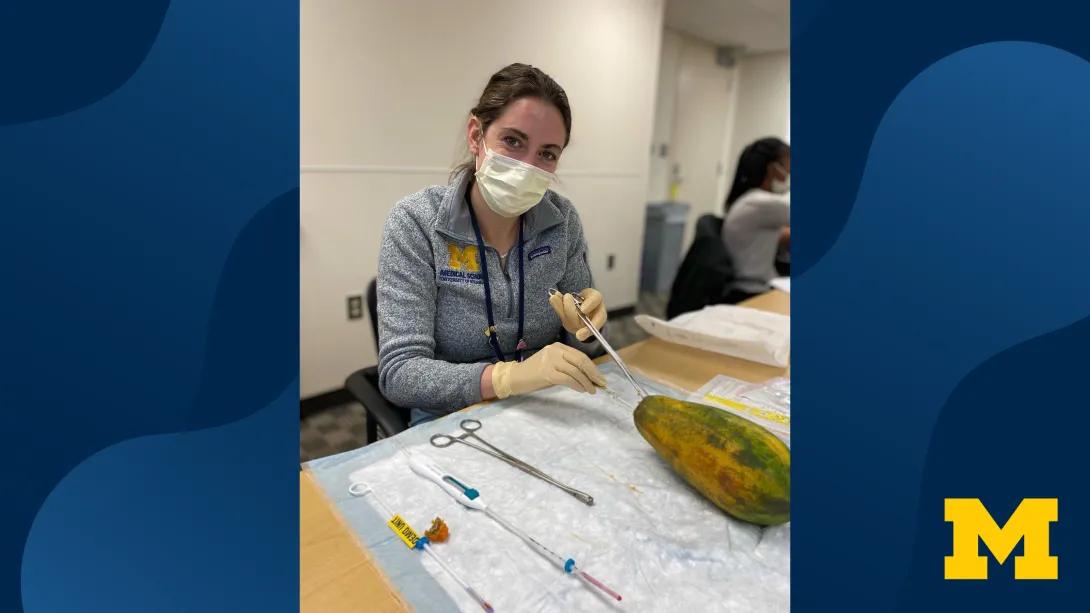
“One of the biggest things I reflect on as I near the end of my intern year is how important it is to live in the moment and enjoy the journey. While this road we chose can be incredibly hard, it is also rewarding and enjoyable.
It’s always amazing to look back and reflect on the long and windy journey that brought me to this point. And I hope you never stop doing that because you have so much to be proud of.”
Amelia Khoei, M.D., M.P.H., Urology House Officer at Michigan Medicine
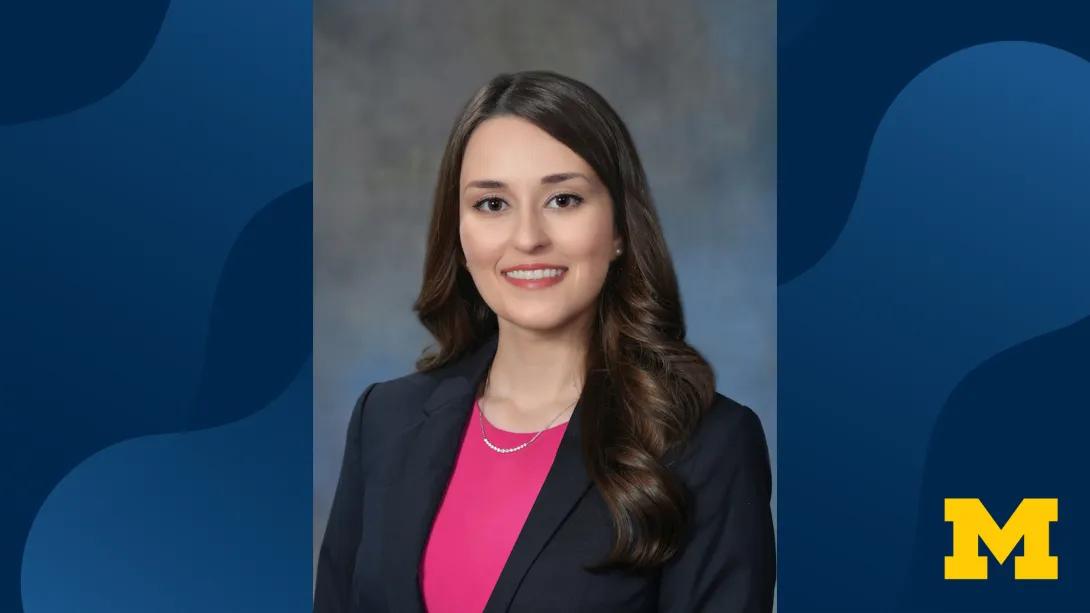
“The first year of urology residency has been rewarding but intense. When I think back to where I was one year ago, I still can’t believe that I’m really in the middle of living ‘the dream’ across the country from my home.
The first year as a physician certainly holds moments of uncertainty as we adapt to a fast-paced and demanding career, but those moments are outweighed by the satisfaction and triumph of when we are truly able to help patients on the front line. It really is an honor to treat our patients every single day, especially alongside such insightful faculty and supportive peers.
Every day, I am humbled to be here and can’t wait to witness the incoming class enter, grow and advance the future of medicine!
Of course, be prepared to learn, and take advantage of the opportunities presented to you. You’ve gotten this far, and you know how to get work done efficiently by now. More importantly, don’t forget to build relationships with your co-residents and make time for the people you love, including yourself.
By making time for hobbies and the people that re-charge you, you will continue to thrive. It all makes a big difference.”
Eric Wilson, M.D., 2022 U-M Medical School graduate and Internal Medicine House Officer at Duke University
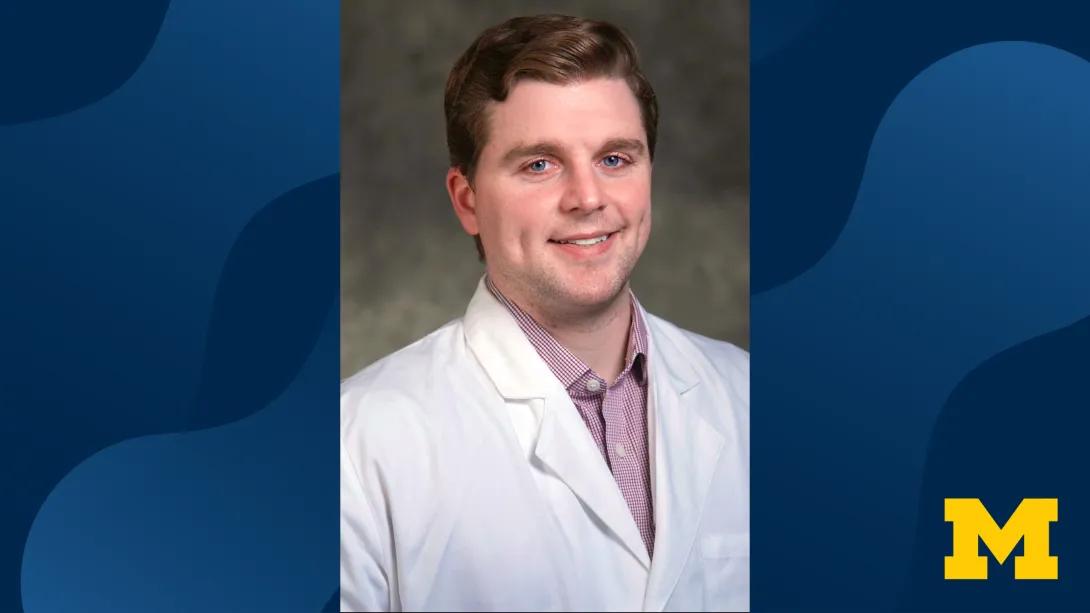
“It's wild to think that an entire year has passed since our Match Day! I remember having a hard time describing exactly how I was feeling in the weeks leading up to ‘the big day,’ as the emotions were so variable.
From angst and apprehension about learning where your journey through medicine will take you next, to the joy and excitement of graduation and finally being a doctor on the horizon – it really is a wild ride. And one that is hard to forget as you celebrate the culmination of countless years of work towards achieving such a momentous milestone.
SEE ALSO: Medical Student Match Day | Michigan Health Lab (michiganmedicine.org)
Looking back on my first year of residency, the thing I am most grateful for, aside from having my incredible wife (who also happens to be one of my co-interns) by my side, is the brilliant, yet grounded and relatable co-residents I work with every single day.
It's no secret that long hours and a seemingly insurmountable number of tasks come with residency (and particularly intern year), and it is my co-residents that make even the hardest of days bearable. Having this type of culture and support to keep you going is incredibly important; even more so than I could have realized or appreciated as an incoming intern.
A quote I recently heard that may serve as a solid piece of advice for those gearing up for residency is, ‘Don't make perfect the enemy of good.’
We are often our own harshest critics, and the demands we place on ourselves for excellence can often overshadow the many good (but, perhaps, not perfect) things we accomplish each day. It can be easy to fall into the trap of dwelling on tiny mistakes, so I'd encourage everyone to focus on at least two to three good things they did each day! It really can make a world of difference.
Congratulations and best of luck to all! We’ll be thinking about and rooting for everyone this year!”

Health Lab
Explore thousands of health news & research stories by visiting the Health Lab homepage for more.
Media Contact

Public Relations
Department of Communication at Michigan Medicine
Related
Graduating medical students reflect on their experiences on Match Day
Stay Informed
Want top health & research news weekly? Sign up for Health Lab’s newsletters today!
Featured News & Stories
Learning Together: Making Space for Growth at Work
4 in 5 parents say having a baby is too expensive
What’s the latest on 7-OH and kratom availability and addiction care?
Depression in OBGYN residents needs more attention, study suggests

Emergency room intervention pairs smartphone, telehealth counseling to reduce risky firearm behavior