First person-centered measure of dementia caregiving styles improves partner, patient outcomes
Improving support for caregivers of those with dementia can improve the care dementia patients receive
5:00 AM
Written by Wendy Lombard
Alzheimer’s disease and related dementias cause progressive memory loss and changes in thinking, behavior and daily functioning.
As symptoms worsen, people living with dementia need increased support to stay healthy, safe and engaged in everyday life.
This support is most often provided by unpaid family members and friends, including spouses, adult children, relatives and close companions.
Yet, dementia care partners receive little or no formal dementia education or training.
As a result, they often develop their own caregiving approaches as they attempt to understand, cope with and adapt to the changing needs of the person living with dementia.
Some approaches may be helpful, while others may be less effective or even harmful.
Caregiving can also take a physical and emotional toll.
Dementia care partners may experience increased stress, depression, anxiety, anger, guilt and health problems.
When care partners are struggling, the person with dementia may also be affected.
They may experience worsening symptoms, depression, difficulty following treatment plans, increased use of health services, more emergency room visits, earlier placement in a care facility, or, in serious cases, neglect and abuse.
To better understand these challenges, Noelle E. Carlozzi, Ph.D., Director of the University of Michigan’s Center for Clinical Outcomes Development & Application partnered with the study's primary investigator, Amanda Leggett, Ph.D., Associate Professor at the Wayne State Institute of Gerontology and Adjunct Faculty in the Psychiatry Department at the U-M to develop the first person-centered measure of dementia caregiving styles.
This new tool, CG-STYLE, is an evidence-based measurement system designed to identify different approaches to dementia caregiving so that support can be tailored for each care partner’s individual needs.
CG-STYLE builds on earlier research by Leggett and colleagues that identified five distinct caregiving styles: externalizers, individualists, learners, adapters, and nurturers.
These styles reflect how care partners understand dementia, respond emotionally, and use strategies to manage the changing needs of the person with dementia.
Each style may influence the well-being of both the care partner and the person receiving care.
The CG-STYLE measure includes seven brief questionnaires to assess key aspects of caregiving, including understanding dementia, adaptability to changing needs, positive and negative emotional expression, self- or other-orientation and adaptive or maladaptive behavior management strategies.
Together, these questionnaires provide a complete picture of a care partner’s strengths, challenges and support needs.
“We're currently extending the use of this measure by studying the caregiving styles of direct care workers for individuals with dementia,” Leggett said.
“We hope it will have broad impact in the field by helping us think about care partners’ unique styles when developing and adapting services and supports."
Information gathered using the CG-STYLE measure may be useful for clinicians, community service agencies, direct care workers, and care partners themselves.
A better understanding of how different care partners approach dementia care will enable education, support services and interventions to be personalized to better meet these care partners’ individual needs.
Ultimately, this tailoring may improve care partner well-being and strengthen the care provided to people living with dementia.
Sign up for Health Lab newsletters today. Get medical tips from top experts and learn about new scientific discoveries every week
Sign up for the Health Lab Podcast. Add us wherever you listen to your favorite shows

Health Lab
Explore thousands of health news & research stories by visiting the Health Lab homepage for more.
Media Contact

Public Relations
Department of Communication at Michigan Medicine
In This Story
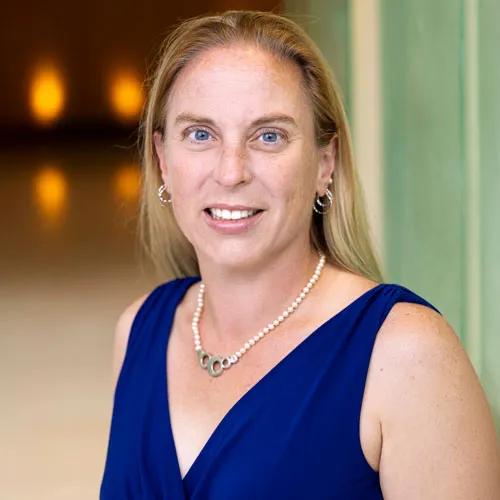
Noelle Carlozzi, PhD
Professor
Stay Informed
Want top health & research news weekly? Sign up for Health Lab’s newsletters today!
Featured News & Stories

Comprehensive DNA sequencing reveals hidden drivers of cancer
‘Molecular glue’ stabilizes protein that inhibits development of non-small cell lung cancer and uterine cancer

Many older adults make Medicare decisions quickly and most don’t change plans, poll finds

What’s the latest on 7-OH and kratom availability and addiction care?
A metabolic “switch” that could help reset scar-producing cells in scleroderma