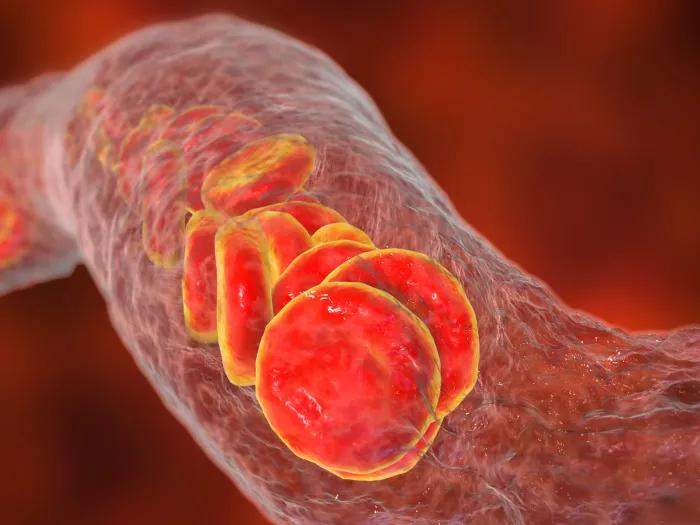
First-of-its-kind therapeutic device saves child in septic shock with multiorgan failure
Created by Michigan Medicine, the first-in-class immune cell directed therapeutic device could be a breakthrough in the fight against deadly infections in kids
1:17 PM
Author |
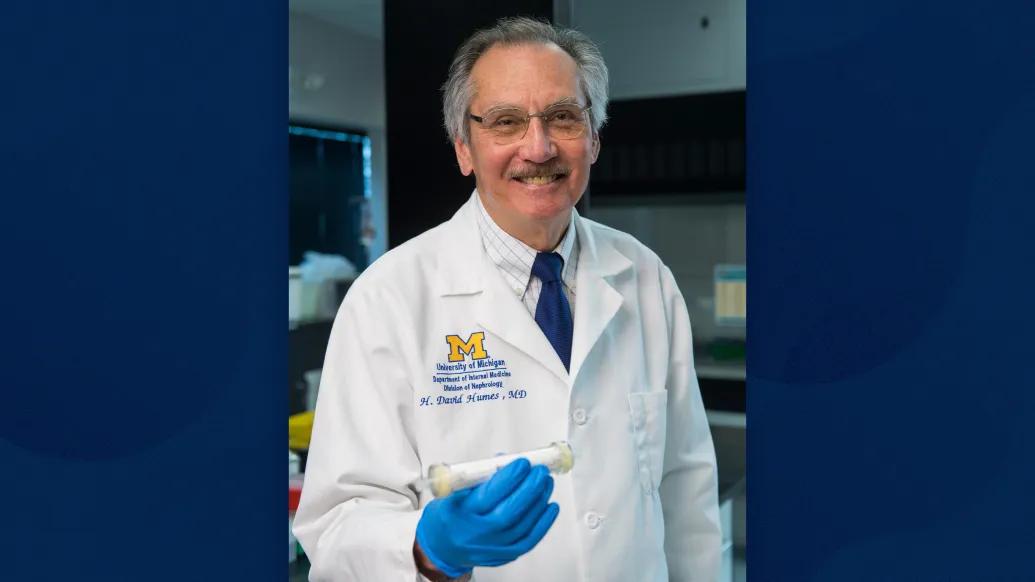
A team of doctors at Michigan Medicine have successfully treated a child in severe septic shock and multiorgan failure with their newly created therapeutic tool called the selective cytopheretic device.
Upon hospital admission, the child’s chances of survival were 5%.
The case, and the technology invented and developed at U-M, is detailed in the journal of Pediatric Nephrology.
A dire situation
A young child, with a previous kidney transplant, presented to the U-M emergency room with a concerning mass in the abdomen.
On triple immunosuppressive therapies at the time, additional testing revealed the child had developed mature B-cell leukemia.
Due to the diagnosis, the patient was started on chemotherapy.
Not long after discharge, though, he presented to the emergency room again with a fever, body weakness and abdominal pain.
The child was tachycardic, hypotensive, jaundiced, and blood work revealed severely low blood counts and a bacterial infection.
The patient was diagnosed with septic shock and five-organ system failure and was promptly admitted to the pediatric intensive care unit.
There the patient was intubated and placed on mechanical ventilation support with a minimal chance of survival.
“The likelihood of the patient dying was nearly 100% when we intervened,” said David Humes, M.D., a nephrologist at Michigan Medicine who was consulted on the situation.
A management dilemma
At this point, the team was faced with limited options.
“The group had to decide how to cautiously approach the child’s care, and if we use traditional methods, or potentially, try something new,” said Humes.
Humes realized that a therapeutic device he had been working on with his colleague, Stuart Goldstein, M.D., from Cincinnati Children’s Hospital, for over 20 years, could be the lifesaving intervention they needed.
Over the last two decades, Humes and his research and clinical colleagues developed the now FDA-approved immunomodulatory device called the Selective Cytopheretic Device, and he thought it could help.
There was just one issue: at that point, the device hadn’t been approved yet by the Food and Drug Administration for this particular scenario.
So, this case would be a first, but possibly the “Hail Mary” they were hoping for.
“The patient’s extremely low blood counts were considered a potential risk though, and the device had never been used previously in this type of situation,” explained Humes.
The Selective Cytopheretic Device is an autologous immune cell directed device that tempers the hyperinflammatory state of a multiple disease process taking place, including sepsis, explains Humes.
Since the technology directs its effects on circulating white blood cells, which were very low in the patient, the clinical team worried a risk to further lower the white blood cells could result in a worsening infection.
The one upside of it all was that the medical staff at U-M was familiar with the device since it was used in multiple adult and pediatric trials on their hospital floors already.
The port in the storm
Funded in part by the National Institutes of Health’s Small Business Innovation Research program and by a Maxine and Stuart Frankel Innovation Initiative grant, the innovative technology was invented to quickly address progressive, life threatening organ dysfunction brought on by sepsis.
Sepsis occurs when a person’s immune system overreacts to an infection and creates lots of inflammation and injury to healthy cells as the body tries to fight the infection.
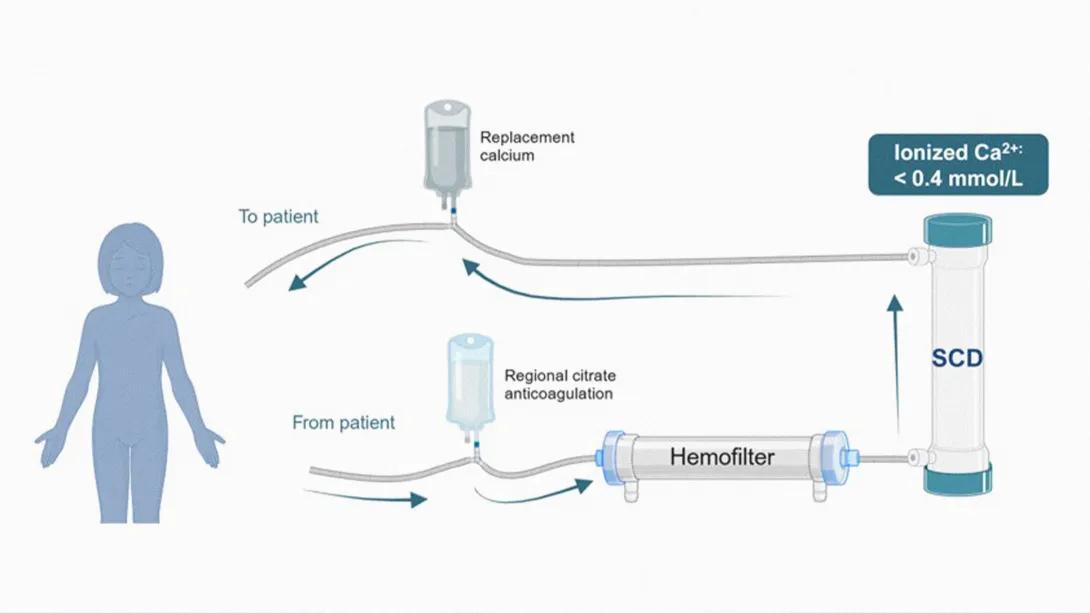
This device is inserted into a dialysis machine that pumps blood outside the body and puts the immune cells into “timeout” as they go through the filter.
When these immune cells return to the patient, they’re no longer highly activated, and can better target the complications of the infection.
“As the patient’s blood flows through the device, it calms the white blood cells so that they aren’t indiscriminately attacking the patient’s own organs in their attempt to rid the body of the systemic infection,” explained Humes.
“In more medical terms, this device is considered a first-in-class extracorporeal immune cell directed therapeutic device which targets the circulating cells of the innate immunologic system in disorders of hyperinflammation.”
Putting the Selective Cytopheretic Device to the test
After thorough discussions, and consensus of the care team and the child’s parents, providers received approval from the local Institutional Review Board for its emergency use.
As the team monitored closely, the intervention proved successful in reversing the patient’s acute organ dysfunction and inflammation, with no adverse side effects.
The therapy also resolved the child’s shock-like state, improved their liver function as well as their red and white blood cell counts.
The staff was able to extubate the child and remove them from mechanical ventilation; the patient’s kidney function also improved, reversing the present kidney failure.
“The dramatic recovery of this patient from multiple organ failures was quite remarkable and clearly demonstrated the power of this innovative cell directed therapy,” said Kera Luckritz, D.O., M.P.H., a clinical associate professor of pediatrics at C.S. Mott Children’s Hospital who was overseeing the child’s care on the floor.
Arriving on the other side
After 38 days in the PICU, the child was transferred to the general pediatric ward.
“One thing that’s unique in this patient is that the child was severely neutropenic meaning they lacked the normal amount of white blood cells, and this device was able to be successful despite this severe complication from chemotherapy,” noted Humes.
Although the technology had little prior clinical experience in this type of situation, the group says the case represents how evolving technology can be utilized in a critical medical dilemma.
And in this case, it proved to save the life of a desperately-ill child.
The child is now home, off dialysis, cancer free and multiple pediatric sites are using the technology with similar positive results.
“The device took 20 years of development, and although we hit lot of speed bumps, we now have an available treatment and FDA approval for children in multiorgan failure,” said Humes.
Paper cited: “Management dilemma in choosing evolving treatments in neutropenic septic shock,” Pediatric Nephrology. DOI: 0.1007/s00467-025-06798-y
Funding/disclosures: This was funded in part by the National Institutes of Health’s SBIR. HDH discloses financial interest in SeaStar Medical, Inc. and Innovative Biotherapies, Inc. The University of Michigan also has a financial interest in SeaStar Medical, Inc.
The project was supported by significant philanthropy over the years, including a 2021 grant from the Maxine and Stuart Frankel Innovation Initiative, which seeks to accelerate medical research to benefit patients
Sign up for Health Lab newsletters today. Get medical tips from top experts and learn about new scientific discoveries every week.
Sign up for the Health Lab Podcast. Add us wherever you listen to your favorite shows.

Health Lab
Explore thousands of health news & research stories by visiting the Health Lab homepage for more.
Media Contact

Public Relations
Department of Communication at Michigan Medicine
In This Story

Kera Luckritz, DO
Clinical Associate Professor

H D Humes
Professor Emeritus/a
Stay Informed
Want top health & research news weekly? Sign up for Health Lab’s newsletters today!
Featured News & Stories

Pain, psychological factors and physical function closely linked in people with systemic sclerosis
Many hospitals still don’t do enough to prevent UTIs from catheters

Rural-urban disparities in head and neck cancer
Study outlines a new framework for direct cell reprogramming

New insight into how lipodystrophy can affect overall health