Fighting rejection antibodies to make heart transplant possible
A team had to “desensitize” the immune system before and after surgery
5:00 AM
Author |
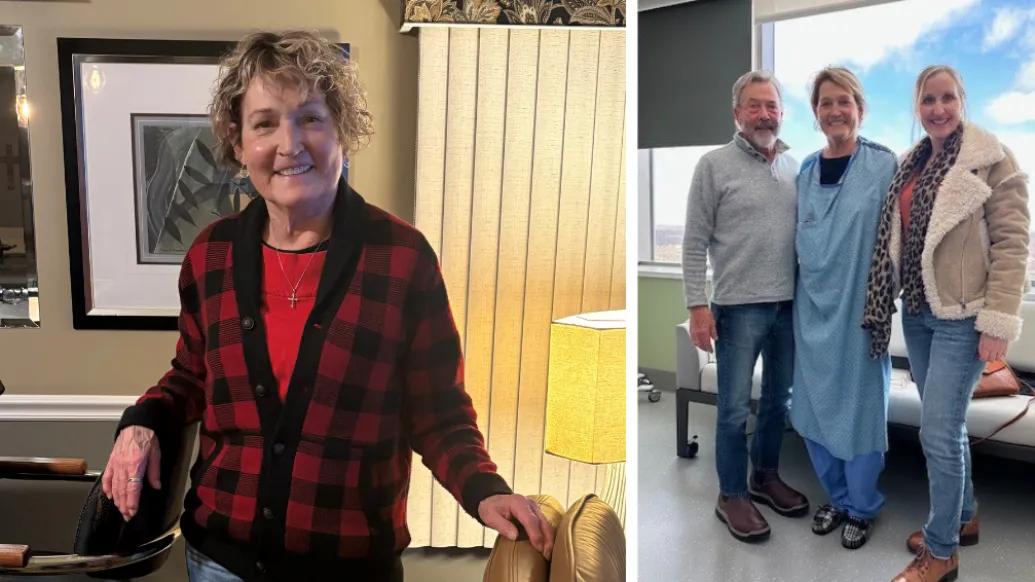
A woman who spent more than a decade with life-threatening heart rhythms received a transplant despite having high levels of antibodies that reject donor organs.
A team at the University of Michigan Health Frankel Cardiovascular Center made the transplant possible for Sharon Zuccarini, 68, by “desensitizing” her immune system with medication — and striking some luck in the donor pool.
“I was told my body could reject up to 95% of available hearts,” said Zuccarini, a former IT specialist from Livonia, Mich.
“We hit so many obstacles along the way. I thought we were running out of options, and a transplant was never going to happen. I am so thankful that my care team was able to make a plan to overcome every challenge and find a suitable heart.”
Zuccarini’s road to transplant started in 2014, when she experienced a dangerously fast heart arrhythmia called ventricular tachycardia during a cardiac stress test.
She received an implantable cardioverter defibrillator, or ICD, two days later that would go on to shock her heart back into normal rhythm many times.
Over the next 10 years, Zuccarini had around a dozen ventricular tachycardia episodes. Electrophysiologists at U-M Health attempted to correct her faulty heart rhythms with several ablation procedures.
“My heart was a ticking time bomb” Zuccarini said.
“I had polymorphic ventricular tachycardia, which means the electrical impulse was taking various paths, so ablations didn’t fix the entire problem. Additionally, my valves were starting to decline.”
Zuccarini’s heart grew weaker as her care team tried other treatment options. They considered valve replacement, but she was not a good candidate due to her complex heart disease.
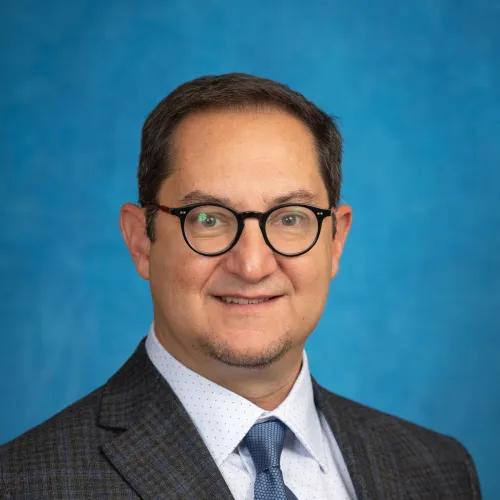
In 2022, Jonathan Haft, M.D., Surgical Director of the U-M Health Transplant Center Adult Heart Transplant Program, implanted a mechanical heart pump called a left ventricular assist device, or LVAD, to improve her circulation.
Antibody rejection of heart transplant
The LVAD is primarily used for advanced heart failure. It can be a long-term therapy or a bridge device ahead of transplant, as was the case for Zuccarini, yet she faced a massive hurdle.
Her immune system contained high levels of antibodies primed to reject a donor heart. Antibody-mediated rejection is the leading cause of transplant failure.
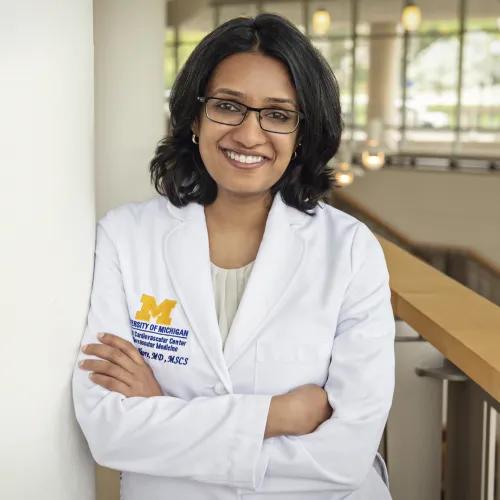
“Our immune systems are designed to protect us by making antibodies to identify and attack foreign objects that enter our bodies, like viruses and bacteria,” said Supriya Shore, MBBS, heart transplant cardiologist at the Frankel Cardiovascular Center.
“However, there are some conditions that lead to our immune systems to make more antibodies, including blood transfusions, pregnancies and exposure to foreign devices such as a LVAD. This impacts women more often and can limit access to organs.”
After careful review by Monica Colvin, M.D., Medical Director of the U-M Health Transplant Center Adult Heart Transplant Program, Zuccarini was added to the transplant list, but the transplant team had to be more selective when assessing potential organs.
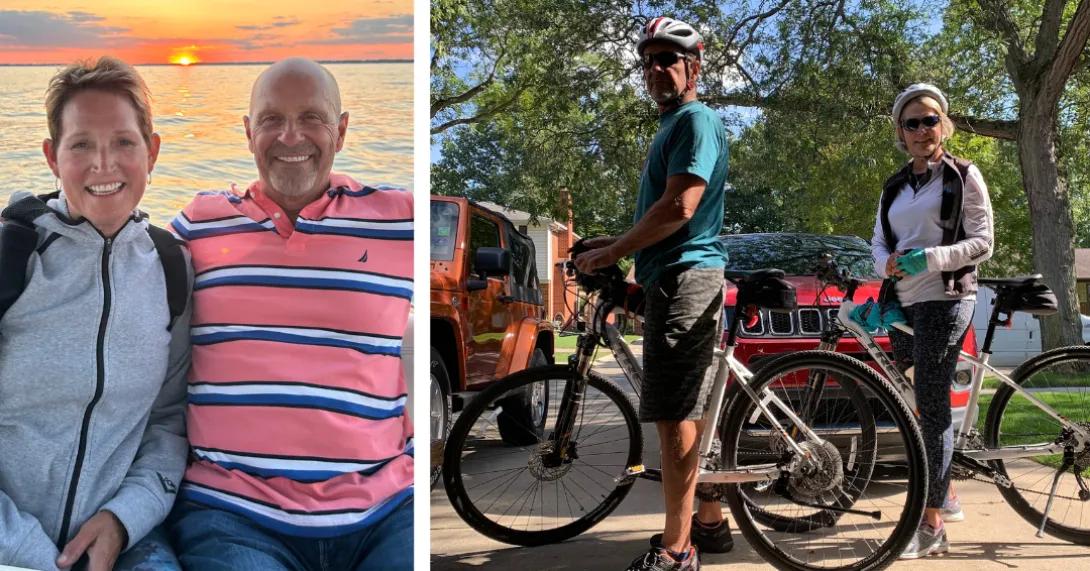
Over two years, they evaluated more than 30 potential donor hearts for Zuccarini.
“We knew we would not be able to use an organ from a donor who had proteins to which her immune system would strongly react,” Haft said.
For several reasons — too many antibodies, size mismatch, the donor heart was too sick — they could not move forward.
“Some populations, such as women and Black patients, are more likely to be sensitized, creating a biologic disadvantage for transplant,” said Colvin, who has led national conferences and scientific statements on antibodies in heart transplantation.
“Therapies used to manage sensitization are also limited, costly and frequently not approved by insurers. Furthermore, current organ allocation policies do not incorporate sensitization.”
Desensitization for heart transplant
As her right ventricle and aortic valve failed, Zuccarini’s need for transplant became more urgent. She was hospitalized while waiting for a heart.
Working with transplant immunologists at U-M Health, Colvin’s team created a plan to remove the antibodies through a process known as desensitization. This required a combination of therapies including intravenous immunoglobulin, or IVIG, which is used in the treatment of autoimmune disease and for solid organ transplantation.
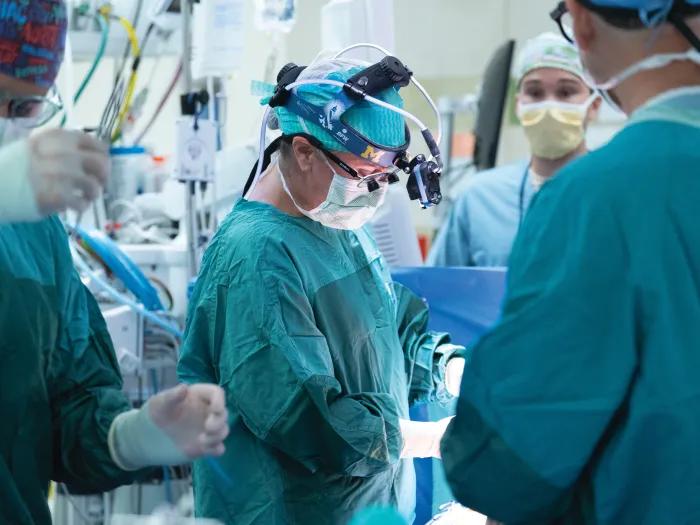
After two years waiting, and two months in a hospital room, they found the match. Zuccarini received a transplant on Nov. 8, 2025, during a surgery performed by Haft and cardiac surgeon Yuliya Tipograf, M.D.
“We were thrilled to have a donor heart offer that was of excellent quality, suitably sized and from a donor that she did not have any antibodies against,” Haft said.
Zuccarini recovered from her surgery in the D. Dan and Betty Kahn Health Care Pavilion as the first patient admitted on the hospital’s 12th floor. She received several additional medications to subdue her antibodies and ensure they did not reject her new organ.
Although she will require continued monitoring for antibodies, Zuccarini hasn’t developed significant antibodies against her donor heart, Colvin says.
“Ms. Zuccarini’s success was truly a team effort made possible by the coordinated expertise of our transplant cardiologists, nurses, surgeons and immunologists — and her trust in our program,” she said.
Zuccarini is currently participating in cardiac rehabilitation, a supervised exercise and lifestyle education program that improves outcomes after cardiovascular events.
Over the summer, she plans to travel and spend time on the water with her five children and 12 grandchildren. She prioritizes being active and plans to return to paddleboarding, cycling, hiking and golfing.
“It all still feels unreal, a miracle and makes me very emotional,” Zuccarini said.
“I think about my donor every day, as well as the team of doctors and nurses who helped me get to this point. I am so grateful for this gift of life.”
Zuccarini plans to participate in the Washtenaw County American Heart Association Heart and Stroke Walk on May 16 with her support team, The Survivors.
Sign up for Health Lab newsletters today. Get medical tips from top experts and learn about new scientific discoveries every week.
Sign up for the Health Lab Podcast. Add us wherever you listen to your favorite shows.

Health Lab
Explore thousands of health news & research stories by visiting the Health Lab homepage for more.
In This Story
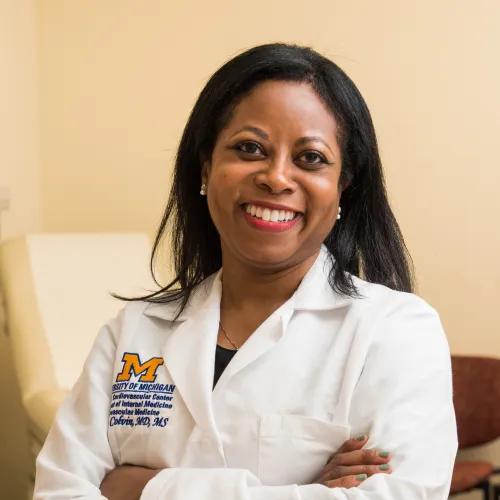
Monica M Colvin, MD, MS
Clinical Professor
Jonathan W Haft
Professor
Supriya Shore, MD
Clinical Assistant Professor
Related
Champion wrestler returns to coaching after heart transplant
Featured News & Stories
Young father survives aortic dissection after delayed diagnosis
C.S. Mott Children’s Hospital first in country to implant expandable heart valve during FDA review phase
Weighing TAVR vs. SAVR for aortic stenosis treatment
Born with half a heart, headed to college with a full life
The Questions That Shape the Future of Medicine