Few parents offer teens guidance on healthy eating during the holiday season
As festive feasts approach, parents report challenges addressing weight, body image and balanced nutrition with teens
11:29 AM
Author |
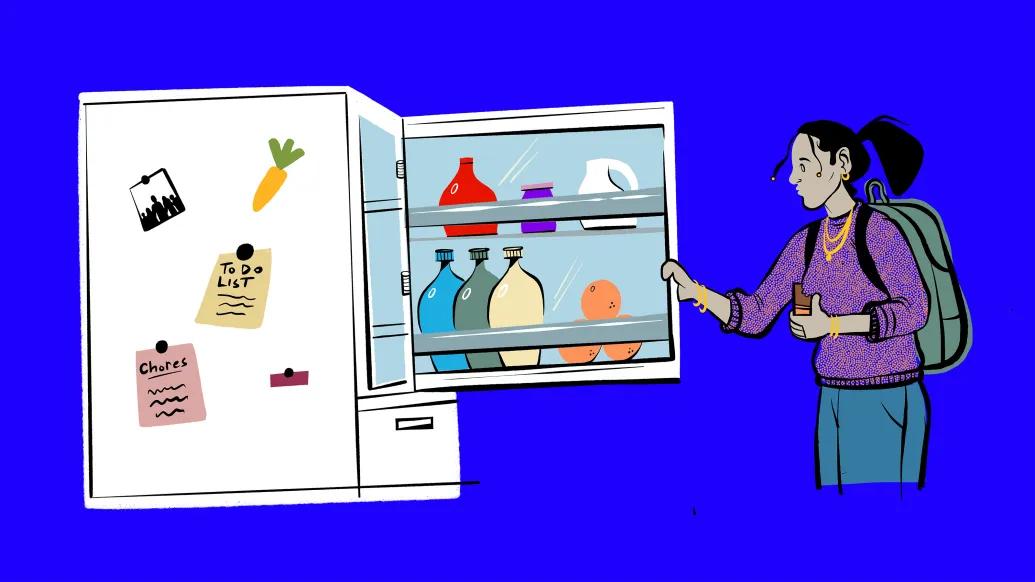
As teens gain more independence in their food choices, many parents struggle to navigate conversations about nutrition —which could be especially important during the holidays, when celebrations often center around meals.
While parents recognize concerns about their teen’s eating habits, few provide concrete strategies to help them make healthy decisions during festive gatherings, according to the University of Michigan Health C.S. Mott Children’s Hospital National Poll on Children’s Health.
One in three parents say it’s difficult to talk with their teen about food and weight, rising to more than half among parents who believe their teen is overweight.
“Weight can be a sensitive topic with young people,” said Susan Woolford, M.D., co-director of the Mott Poll and a Mott pediatrician.
“But parents play an important role in offering guidance and watching for problematic eating behaviors. The holiday season is a key opportunity for supportive, nonjudgmental conversations.”
Many teens missing meals, eating for reasons other than hunger
Only half of parents say their teen eat three meals a day, suggests the nationally representative report that includes responses from 970 parents of teens aged 13-17 surveyed in August.
Parents perceive their teens’ weight in varying ways.
While most believe their child is the right weight, one in seven describe their teen as underweight while one in five say their teen is overweight.
The poll highlights eating patterns that may signal challenges with maintaining a healthy diet.
Just under a third of parents say their teen eats out of boredom or engages in mindless eating.
Another 11% say their teen eats even after they’re full and 10% say their teen eats because they’re stressed.
Weight can be a sensitive topic with young people. But parents play an important role in offering guidance and watching for problematic eating behaviors. The holiday season is a key opportunity for supportive, nonjudgmental conversations.”
-Susan Woolford, M.D.
These behaviors are reported much more often among parents who describe their teen as overweight.
Nearly a third of parents also say their teen has no typical eating pattern, while 13% report that their teen snacks throughout the day and 9% say their teen regularly skips breakfast.
A significant barrier to healthy habits is the reality of teens’ schedules, Woolford notes.
Between school, extracurricular activities, work and social commitments, many teens “squeeze in” meals whenever possible.
“When teens are rushing between activities, they tend to grab whatever is quick and available,” she said.
“Often that means processed snacks or fast food that are higher in calories and lower in nutritional value.”
She recommends that parents help by stocking healthy, convenient ‘grab-and-go’ options, and involving teens in choosing items and reading nutrition labels.
Parents should watch for problems in eating habits, body image
Despite concerns about eating habits, relatively few parents polled offer specific strategies to help teens navigate large holiday meals.
Among parent suggestions to their teen: eat something healthy ahead of time to avoid overeating (8%), decide in advance what to eat or avoid (5%), choose low-calorie foods (2%), increase exercise to “burn off” calories (10%) and diet or fast the next day (1%).
More commonly, parents give general direction such as “eat in moderation” (33%) or “eat whatever you want” (38%).
“Even small, practical tips like having a healthy snack beforehand can help teens feel more in control at big meals,” Woolford said.
The poll also reveals troubling signs of negative self-image:14% of parents have heard their teen say they feel “too fat,” 11% say their teen talks about needing to diet or fast after a big meal and 8% say their teen wants to hide their body with baggy clothes.
These concerns are far more common among parents who describe their teen as overweight.
Parents may fear that discussing weight or eating habits could harm teens’ self-esteem, Woolford says.
But avoiding the conversation can also allow unhealthy patterns to continue.
“If parents notice a teen expressing repeated negative thoughts about their body or showing unhealthy eating patterns, it’s a good time to reach out to the teen’s healthcare provider,” she said.
“These conversations don’t have to be about appearance. They can focus on energy, strength and overall well being.”
Sign up for Health Lab newsletters today. Get medical tips from top experts and learn about new scientific discoveries every week.
Sign up for the Health Lab Podcast. Add us wherever you listen to your favorite shows.

Health Lab
Explore thousands of health news & research stories by visiting the Health Lab homepage for more.
Media Contact

Public Relations
Department of Communication at Michigan Medicine
In This Story

Susan J Woolford, MD, MPH
Associate Professor
Stay Informed
Want top health & research news weekly? Sign up for Health Lab’s newsletters today!
Featured News & Stories

A pediatric epilepsy fundraiser that changes lives
Better prenatal care data could help prevent maternal complications, experts say

Pain, psychological factors and physical function closely linked in people with systemic sclerosis
Many hospitals still don’t do enough to prevent UTIs from catheters

Rural-urban disparities in head and neck cancer