FDA approved drug slows type 1 diabetes progression in 5-year-old patient
Trevor Pilachowski’s diabetes risk was diagnosed through TrialNet, an international network dedicated to delaying type 1 diabetes
12:09 PM
Author |

For the first time in 2021, Tara Pilachowski had to confront Type 1 diabetes.
A relative was diagnosed with the disorder.
“It felt like the rug had gotten ripped out from under them,” Pilachowski said.
Three years later, her second son, Blake, started showing some symptoms that are commonly associated with the condition, including excessive thirst and urination. Subsequent testing did not reveal any abnormalities.
Concerned by what she had seen with her relative, Pilachowski asked her son’s pediatrician Danielle Akers, M.D., for answers.
Akers helped the family get in touch with Inas Thomas, M.D., Clinical Professor of Pediatrics-Endocrinology and member of Caswell Diabetes Institute.
Through Thomas, the Pilachowskis learned about TrialNet, an international network of physicians and scientists dedicated to preventing and delaying the progression of type 1 diabetes.
Thomas is the principal investigator for TrialNet at University of Michigan Health.
TrialNet helps family members get screened if there is a history of type 1 diabetes in their relatives.
When Thomas offered to test Blake, Pilachowski insisted that all her sons get tested.
Quicker diagnosis
Type 1 diabetes is an autoimmune condition where the body’s own immune system attacks insulin producing beta cells in the pancreas.
The body then develops antibodies which show the process has started.
TrialNet’s screening process helps identify these antibodies quickly and diagnoses individuals before they show any signs of disease.
A few weeks after all three boys had been tested, TrialNet reached out to Pilachowski to discuss the positive test results of her son Trevor.
“At first I thought that there had been a mix up at the lab and they had the wrong kid,” Pilachowski said.
“They said that Blake and Grant had tested negative, but Trevor’s results were positive.”
Blake continued to have negative results for his blood tests. His parents and care team suspect that his symptoms are a part of normal behavior in children who insist on drinking water and going to the bathroom to get out of class to meet their friends.
Pilachowski insisted on a retest for Trevor and in March 2024, his risk for type 1 diabetes was confirmed.
“Once you have two antibodies, you have a 100% chance of developing type 1 diabetes within your lifetime,” Thomas said.
“Trevor was positive for all five antibodies we screen for, which puts him at a very high risk of developing type 1 diabetes.”
Trevor was classified as being in stage 2 of disease progression since he had abnormal blood glucose levels but was not at the clinical diagnostic level yet.
He has a 75% chance of developing stage 3 diabetes within five years. In stage 3, individuals start showing the symptoms of type 1 diabetes.
Age plays a role in disease progression; younger children progress faster than adults.
Our goal is if we can figure out prevention, we will need to cure less people.”
--Inas Thomas, M.D.
Delaying progression
For stage 2 patients who have been diagnosed with an increased risk of type 1 diabetes, U-M Health offers TZIELD infusions.
The drug, which was found to delay the onset of stage 3 diabetes by two years in clinical trials, was previously approved for use by the FDA only for patients age eight and above.
“Although Trevor is likely to develop diabetes at some point in his life, delaying it would be amazing,” Thomas said. “Our goal is if we can figure out prevention, we will need to cure less people.”
In April 2026, the FDA approved TZIELD’s use for children who are one year old and above. Trevor is the first child in Michigan under the age of eight to receive this drug.
Thomas hopes that his early diagnosis, combined with the drug, will help protect his insulin producing cells from dying quickly.
“Although it was scary that he is the youngest at U-M to receive this medication, he is paving the way for other children,” Pilachowski said.
“He's still asymptomatic and every day that he is not on insulin is a win for us.”
Pilachowski continues to share Trevor’s story on her social media channels and has developed a community of people who support each other as their children navigate their experiences with type 1 diabetes.
Trevor continues to lead a typical life for a five-year-old, including playing football, soccer and basketball.
He loves spending time with his brothers and his dog, Bennett.
“Throughout this experience, Trevor never skipped a beat or slowed down,” Pilachowski said.
“We are so proud of how wonderful he is growing up to be.”
If you have a family member with type 1 diabetes and would like to learn more about TrialNet, email [email protected].
Sign up for Health Lab newsletters today. Get medical tips from top experts and learn about new scientific discoveries every week.
Sign up for the Health Lab Podcast. Add us wherever you listen to your favorite shows.

Health Lab
Explore thousands of health news & research stories by visiting the Health Lab homepage for more.
Media Contact

Public Relations
Department of Communication at Michigan Medicine
In This Story
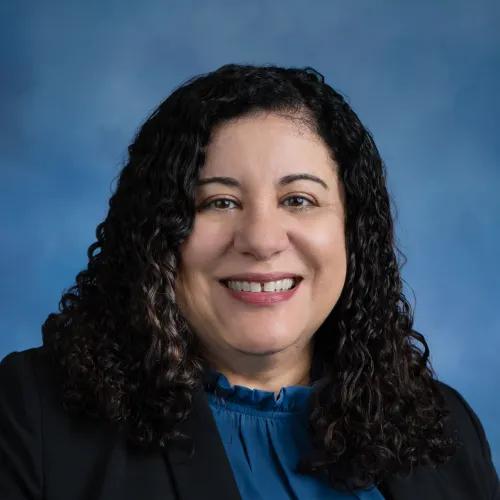
Inas H Thomas, MD
Clinical Professor

Danielle Akers, MD
Clinical Instructor
Related
Former pediatric patient “comes home” as patient care technician at C.S. Mott Children’s Hospital

5 Questions with a Diabetes Physician Who Has Type 1
Stay Informed
Want top health & research news weekly? Sign up for Health Lab’s newsletters today!
Featured News & Stories

From patient to artist: A project close to her heart

Missed feedings in 10-day-old infant led to rare infantile botulism diagnosis

Intermittent fasting can reverse diabetes in mice, study finds

After 13 years of IV nutrition, teen finds freedom to just be a kid
A gift for Michigan’s most vulnerable babies