FDA-approved drug offers hope for patients with polycythemia vera, a rare bone marrow disorder
Expert explains the symptoms, genetic causes and treatment benefits of the first-in-class drug rusfertide
5:00 AM
Author |
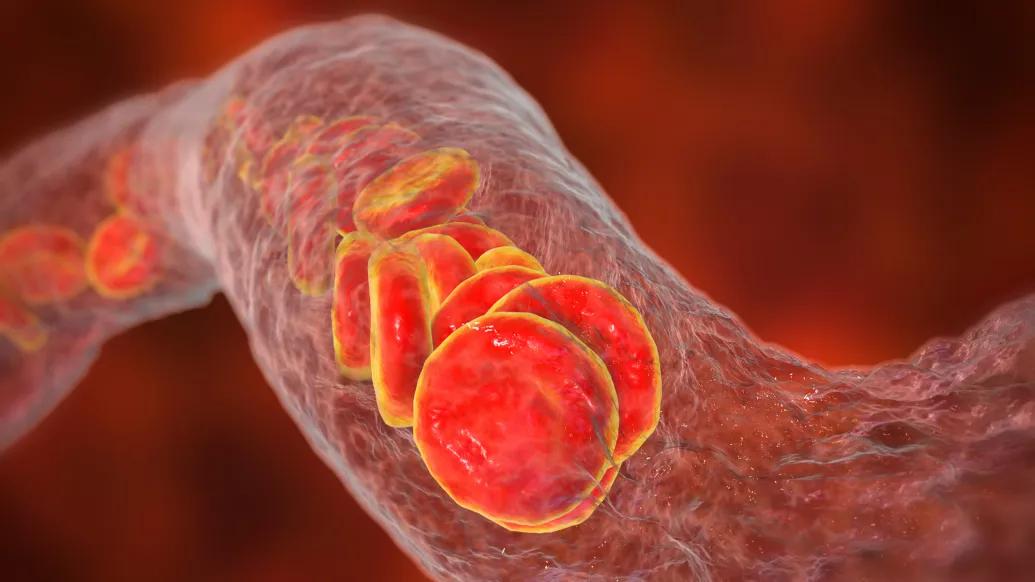
Polycythemia vera is a rare bone marrow disorder affecting 90,000 people in the U.S. and is characterized by the overproduction of red blood cells.
Excessive number of red blood cells results in increased blood viscosity, increasing the risk of blood clots throughout the body.
Without treatment, the condition can cause clots known as deep vein thromboses in the legs, pulmonary emboli in the lungs, heart attacks and strokes.
Recently, the FDA approved a first-in-class drug, known as rusfertide, providing new hope for patients.
Kristen Pettit, M.D., Clinical Associate Professor of Internal Medicine – Hematology/Oncology and member of the Rogel Cancer Center, led the phase 2 and 3 clinical trials at University of Michigan Health.
She answers questions about the challenges associated with treatment and how the new drug will help patients manage their condition.
What are the common symptoms associated with polycythemia vera?
Pettit: Due to the wide range of symptoms, it can be difficult to diagnose the condition early on.
Patients often experience fatigue and itching, particularly when they are exposed to water.
They may also have night sweats, weight loss, depression, anxiety and sleep disturbances.
Sometimes they may experience nerve disorders or enlarged spleen and liver sizes.
The increased number of red blood cells increases the viscosity of the blood, slowing down its flow through the microscopic blood vessels in the body.
This slower flow is a large contributor to the symptoms and issues with this disease.
Usually, polycythemia vera is diagnosed during routine blood work where we see elevated counts of red blood cells, white blood cells, platelets or a combination of all three.
What are the genetic mutations associated with the disorder?
Pettit: Polycythemia vera is caused by a gene mutation in the JAK2 gene, which is acquired during someone’s lifetime and not something that patients are born with.
This mutation causes the bone marrow to produce excess pro-inflammatory proteins or cytokines, which worsens the disease symptoms.
We don’t completely understand why this mutation occurs, but studies suggest that there might be a familial risk, even though it is not an inherited disease.
What challenges do patients face with current treatments?
Pettit: Historically, the treatment has been limited to an aspirin a day and therapeutic phlebotomies.
Therapeutic phlebotomies are similar to blood donations and involve removing red blood cells from circulation.
The problem, however, is that patients often need many, many phlebotomies, which is not an easy long-term plan because of logistical challenges.
Also, red blood cell removal can cause patients to become iron deficient over time, which results in more fatigue, among other symptoms.
How does rusfertide work?
Pettit: Rusfertide mimics a hormone in our bodies called hepcidin, which regulates iron availability.
It allows the body's iron stores to rebuild and ensures that the iron remains in its storage sites where it can then be delivered to tissues and organs.
Rusfertide also keeps iron away from the bone marrow so that red blood cells don't have access to it.
As a result, patients do not need as many phlebotomies.
In our phase 3 trial, which was called VERIFY, we found that 77% of patients who received rusfertide became phlebotomy-free compared to only 33% who were on placebo.
Patients also reported feeling significantly better, specifically with improvement in energy levels and quality of life.
What does FDA approval of rusfertide mean for patients?
Pettit: This is the first drug that focuses on minimizing phlebotomy and improving quality of life in patients with this disease.
It represents a shift in our understanding of this disease and our mindset about how to manage it, and I think will lead to big improvements for a lot of patients living with this disease.
Although we are very happy to have this new first-in-class drug, we're hoping to move forward and understand what causes the disease.
We are working on more potent and selective JAK inhibitors for both this disease and related diseases, including essential thrombocythemia and myelofibrosis, that are also caused by JAK mutations.
Sign up for Health Lab newsletters today. Get medical tips from top experts and learn about new scientific discoveries every week.
Sign up for the Health Lab Podcast. Add us wherever you listen to your favorite shows.

Health Lab
Explore thousands of health news & research stories by visiting the Health Lab homepage for more.
Media Contact

Public Relations
Department of Communication at Michigan Medicine
In This Story

Kristen M Pettit, MD
Clinical Associate Professor
Stay Informed
Want top health & research news weekly? Sign up for Health Lab’s newsletters today!
Featured News & Stories

Online resources and coaching helped people seek genetic testing for cancer
Comprehensive DNA sequencing reveals hidden drivers of cancer

Many older adults make Medicare decisions quickly and most don’t change plans, poll finds

‘Molecular glue’ stabilizes protein that inhibits development of non-small cell lung cancer and uterine cancer

What’s the latest on 7-OH and kratom availability and addiction care?