Failed TAVR? Heart surgeons explain TAVR explant, options and risks
Valve failure is more common as TAVR gains popularity
9:00 AM
Author |
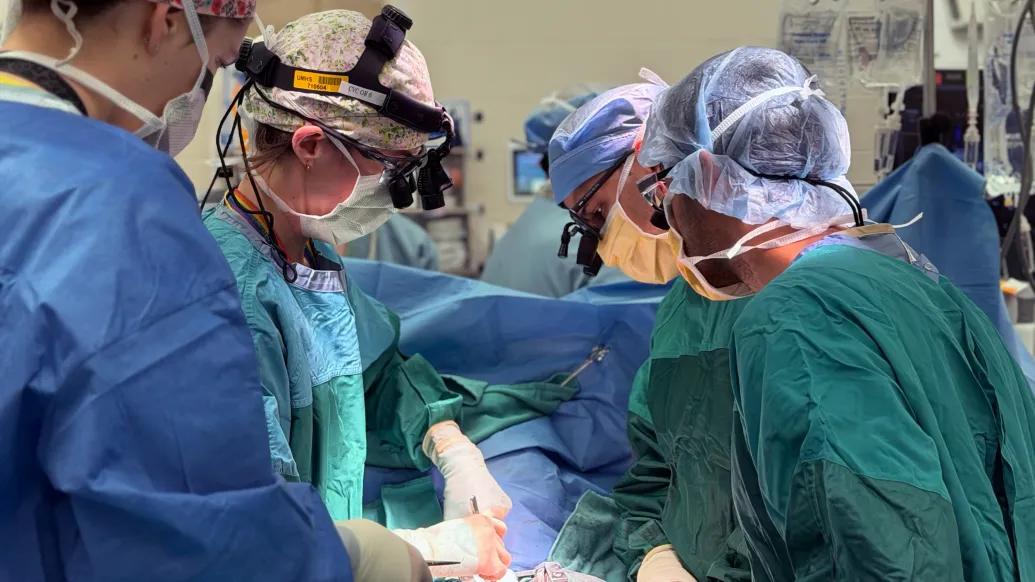
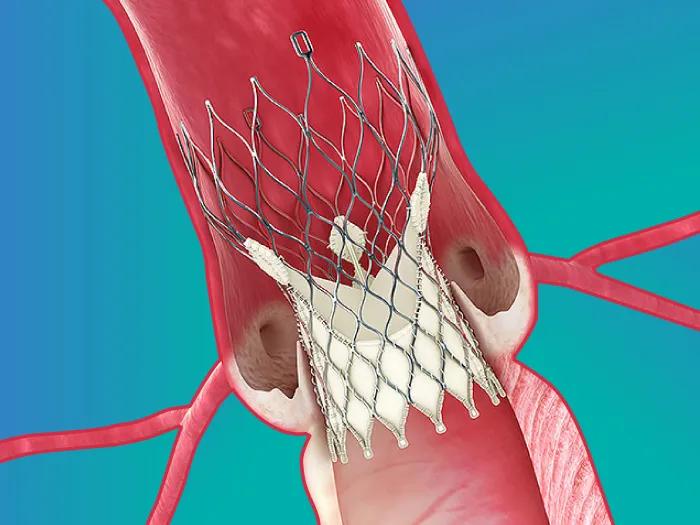
Since the transcatheter aortic valve replacement — known as TAVR — was approved in 2011, the number of people who undergo the minimally invasive procedure each year has skyrocketed.
By 2019, national TAVR cases outpaced surgical aortic valve replacements, or SAVRs, and many hospitals started offering them to even younger patients.
With this popularity, however, surgeons are seeing more patients with failed TAVR valves. In fact, a SAVR after a failed TAVR, also called TAVR explant, is the fastest growing cardiac surgery procedure in the United States, according to the Society of Thoracic Surgeons Adult Cardiac Surgery Database.
The cardiac surgery team at the University of Michigan Health Frankel Cardiovascular Center has extensive experience with TAVR explant and is actively involved in research and education related to this complex surgery.
Cardiac surgeons Shinichi Fukuhara, M.D., and Barbara Hamilton, M.D., M.S., answer common questions about TAVR failure and explant:
What causes a TAVR to fail? What’s the typical timeline?
Fukuhara: There are several factors that can lead to TAVR valve failure.
In the early years of TAVR, failures were often related to procedural issues, such as valve mispositioning or valve migration. Today, the most common reason is structural valve degeneration, which can occur several years after the valve is implanted.
Other causes include:
- Endocarditis (infection of the valve)
- Paravalvular leak (blood leaking around the valve)
- Valve thrombosis (clot formation)
Endocarditis occurs in up to 1% of TAVR patients per year and accounts for about 20–30% of patients who ultimately require TAVR explant surgery.
The timing of the failure depends on the cause. Procedural complications usually occur early, often within the first few months after implantation. Valve degeneration typically occurs years after the procedure.
When all causes are combined, studies suggest the average time to TAVR failure is approximately three years, although this varies widely among patients.
Is TAVR explant the only option after a failed valve?
Hamilton: Not necessarily.
The three things to consider with a failed TAVR valve are the reason for failure, the anatomy of the patient and the projected lifetime management of the patient’s aortic valve disease.
In certain cases, a patient might be a candidate for a second TAVR valve. However, all three of the above considerations must be appropriate, or TAVR explant is the only other option for valve replacement.
What are the surgical risks for a TAVR explant? What is the mortality rate?
Fukuhara: In the early experience with TAVR explant surgery, the procedure carried a relatively high risk, with reported mortality rates approaching 20% in some studies.
However, outcomes have improved significantly as surgeons have gained experience and as TAVR has expanded to younger and lower-risk patients.
At U-M Health, recent outcomes in 2025 show operative mortality under 2% — similar to standard surgical aortic valve replacement in experienced centers.
One of the most important factors for good outcomes is timing. Patients who wait too long or become severely ill before surgery may face higher risks.
If a TAVR valve fails and redo TAVR (second TAVR valve inside the first one) is not an option, it is important to seek prompt evaluation from experienced heart valve surgeons.
What’s the long term durability of a new valve (SAVR) after TAVR explant?
Hamilton: Standard bioprosthetic surgical aortic valves tend to last roughly 12-15 years before beginning to experience structural valve degeneration.
Patient factors will continue to influence the longevity of the valve, with younger patients or patients with kidney disease often experiencing valve failure much earlier.
However, the surgical aortic valve that is implanted after TAVR explant is the same kind of valve that would be implanted in any SAVR procedure, and excellent durability is expected.
In contrast, due to the more complicated nature of the TAVR explant operation, centers with less experience might struggle to implant an adequately sized valve and end up with a valve that is too small for the patient. This will cause the valve to wear out more quickly.
Why is experience important for SAVR after TAVR?
Fukuhara: Experience is important because these procedures can be technically complex and require specialized surgical proficiency.
Our team is constantly engaged in clinical research, surgical innovation and surgeon education in the field of TAVR explant.
The Frankel Cardiovascular Center has performed more than 150 TAVR explant procedures, making our center one of the most experienced programs in the world.
Are too many people doing TAVRs?
Hamilton: TAVR remains a fantastic option for older or sicker patients, with the appropriate indications and anatomy.
However, across the nation, too many younger and healthy patients are being offered TAVR without the appropriate discussion and consideration regarding lifetime management of their disease.
When should you consider doing SAVR over a TAVR?
Fukuhara: Several factors may make surgical valve replacement a better option, including:
- Younger age (often under 65 years old)
- Bicuspid aortic valve anatomy
- Very small valve or small aortic root
- Very large valve
- Small blood vessels that make TAVR delivery difficult
- Other heart conditions requiring surgery
Patients with aortic stenosis should discuss these factors with their heart team to determine the best treatment approach.
Sign up for Health Lab newsletters today. Get medical tips from top experts and learn about new scientific discoveries every week.
Sign up for the Health Lab Podcast. Add us wherever you listen to your favorite shows.

Health Lab
Explore thousands of health news & research stories by visiting the Health Lab homepage for more.
Media Contact

Public Relations
Department of Communication at Michigan Medicine
In This Story

Shinichi Fukuhara
Clinical Associate Professor

Barbara CS Hamilton, MD, MS
Clinical Assistant Professor
Related
Hospitals without highest stroke care designation may miss them after heart procedure
Treating heart valve disease: What are your options?
Stay Informed
Want top health & research news weekly? Sign up for Health Lab’s newsletters today!
Featured News & Stories

Gene editing is coming for common diseases. Are we ready?

Digital alerts support timely treatment decisions of critically ill cardiac patients

Reducing infections after heart surgery could save Medicare $441 million per year
Young father survives aortic dissection after delayed diagnosis
Weighing TAVR vs. SAVR for aortic stenosis treatment