
Eye care and fall prevention may extend lifespan in older adults
Study finds older adults with vision problems face heightened risk of falls and premature death
5:00 AM
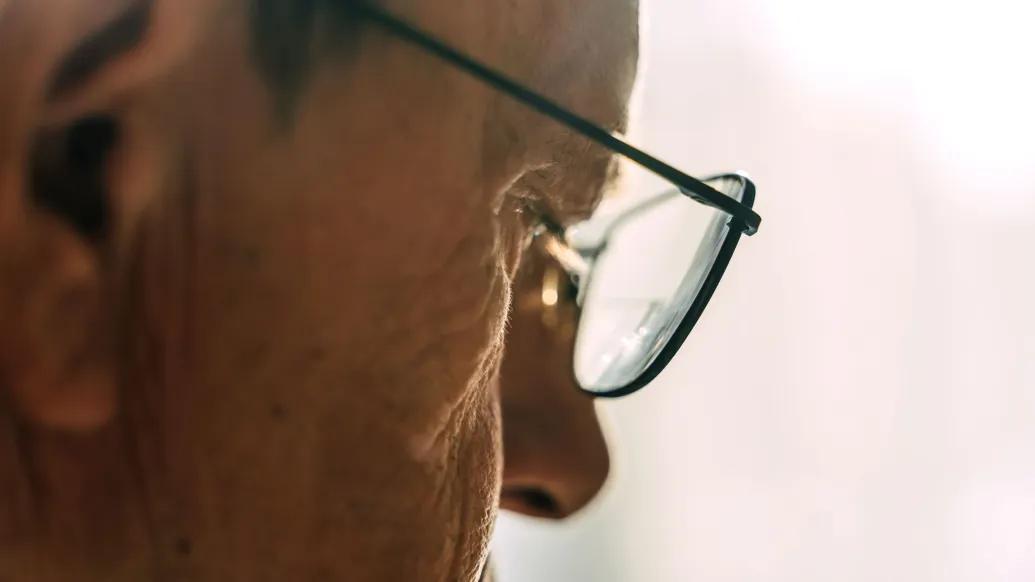
Written by Fernanda Pires and originally published by Michigan News
Older adults with vision problems face a heightened risk of falls and premature death, according to a University of Michigan study.
The findings highlight a dangerous link between untreated vision impairment, repeated falls and increased mortality—and point to practical ways to intervene.
The study, published in Innovation in Aging, uses longitudinal data from the National Health and Aging Trends Study to investigate the association between self-reported visual difficulty and mortality risk among older adults, as well as the role of falls in this relationship, over a six-year period.
“Vision loss isn’t just an isolated health issue—it may be part of a broader chain of risks,” said lead author Shu Xu, a postdoctoral fellow at U-M’s Institute for Social Research.
“Each fall compounds the danger, which may help explain why people with vision difficulties face greater health risks.”
Xu and colleagues note that previous research shows vision loss can make it harder to get around safely—raising the importance of targeted strategies, such as vision care and fall prevention programs, to help stop this downward spiral.
The researchers highlight several promising strategies, such as regular eye exams, better home lighting, removing tripping hazards, and strength or balance training, that deserve further testing.
Co-author Joshua Ehrlich, U-M associate professor of Ophthalmology and Visual Sciences, stressed the importance of proactive care.
“A fall shouldn’t be dismissed as just bad luck—it’s often a sign of unmet health needs,” said Ehrlich, who is also a research associate professor at ISR.
“By addressing vision problems and building physical resilience, we can help older adults stay safer and even live longer.”
The authors say their study underscores the importance of future research into how vision care and fall prevention strategies could help improve health outcomes in aging populations.
Other co-authors included Jeffrey Burr and Qian Song of the University of Massachusetts Boston

Health Lab
Explore thousands of health news & research stories by visiting the Health Lab homepage for more.
Media Contact

Public Relations
Department of Communication at Michigan Medicine
In This Story

Josh Ehrlich
Associate Professor
Stay Informed
Want top health & research news weekly? Sign up for Health Lab’s newsletters today!
Featured News & Stories

New drug combination may help treat advanced prostate cancer

Helping kids with ADHD thrive in school

More teens are using AI: What parents should know
First person-centered measure of dementia caregiving styles improves partner, patient outcomes
Rare genetic eye disease treated with gene therapy helps 2 children see again

