Expert complex heart surgery team saves baby with rare genetic heart condition
Born premature with a severe form of hypertrophic cardiomyopathy, Ben needed a complicated procedure few centers perform
2:00 PM
Author |
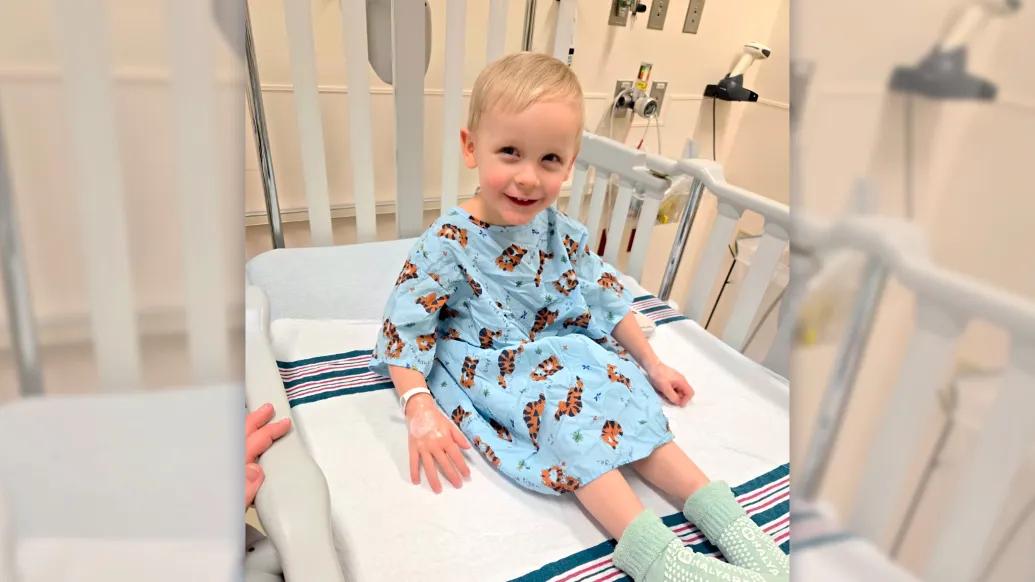
The diagnosis Shelby Burkett hoped her newborn son Benjamin would avoid came just one week after his birth: hypertrophic cardiomyopathy.
The rare genetic heart disease was the same condition that had led Burkett to open-heart surgery and a pacemaker at age 16.
“It was a hard decision to have children because I knew this was a possibility, and I know the difficulties of living with this disease,” said Burkett who is among five people in her family with the diagnosis. “It was heartbreaking news.”
“You never want your child to go through any type of pain or to feel different, and I knew he could have the same challenges I had.”
Hypertrophic cardiomyopathy causes abnormal thickening and stiffening of the heart muscle. Most often, it affects the left ventricle, the heart's primary pumping chamber, making it harder for the heart to pump blood effectively throughout the body.
Benjamin, “Benny,” who was born eight weeks early and spent time in the NICU, had an exceptionally severe and complex case.
“Patients with this condition develop blockage of outflow from their heart, and it’s typically only on the left side. But in Ben’s case, it was both sides of his heart,” said pediatric heart surgeon Richard Ohye, M.D, co-director of the U-M Congenital Heart Center.
“It’s also uncommon for this to occur in such a young child, which makes an already challenging procedure even more difficult.”
Mott performs a high volume of the type of procedure Ben needed, caring for patients from all 50 states and more than 60 countries and offering extensive experience with complex cases that many centers never encounter.
After learning that Mott provides the highest level of specialized pediatric cardiovascular care and receives referrals from even the most experienced heart centers, the Burketts met with Ohye.
For them, the team’s expertise made the two-hour drive from their home in Dowagiac to Ann Arbor well worth it.
“I was so overwhelmed as a mother. I was anxious and scared and was battling so many negative thoughts based on my own experiences as a child,” Burkett said.
“After our meeting at Mott, all those fears just melted away. We knew this was a center with some of the most experienced surgeons and that it was where we needed to be. I felt so much peace."
A complex surgery brings back memories
Ben's surgery was scheduled for the day before Valentine's Day.
As Burkett watched her baby boy being wheeled into the operating room, with a stuffed cow named "Mr. Moo" gifted by his care team at his side, she tried to push aside her fears.
More than a decade earlier, Burkett experienced several complications during her own heart surgery at a different hospital. She ultimately needed a permanent pacemaker because her heart could no longer beat on its own.
She didn't want that for Ben.
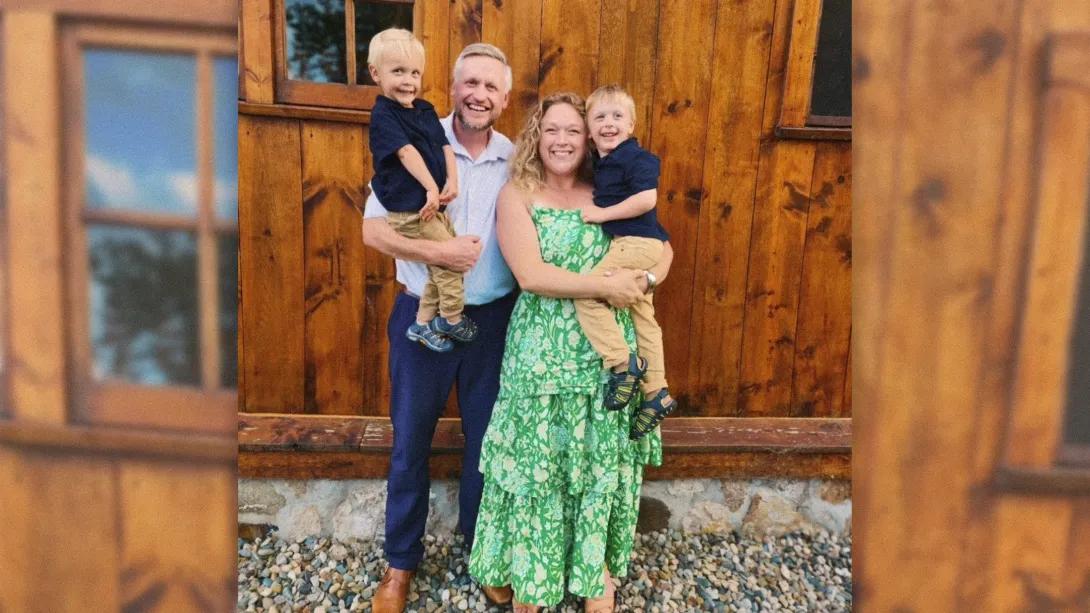
"It was intense, and I was trying not to bring my own experience into it," she said. "When you're a parent facing something so terrifying, you can only hold on to your faith and family.
"But despite all the anticipation leading up to it, surgery day was actually the most calming experience."
Most reassuring of all, Burkett and her husband, Brendan, received regular updates from the operating room as Ben underwent heart surgery led by Ohye to remove the obstructing muscle on both sides of his heart.
The procedure was successful, eliminating the blockage.
“You never want your child to go through any type of pain or to feel different and I knew he could have the same challenges I had.” - Shelby Burkett
The family was prepared for a two-week hospital stay during recovery. But Ben was ready to go home after four days.
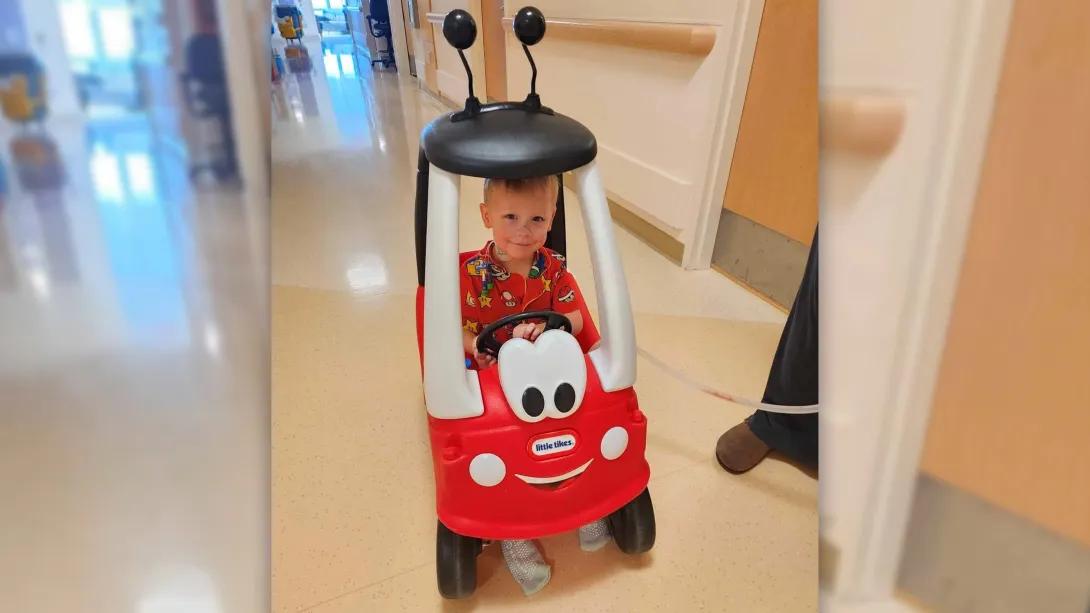
Thriving today, leaning on expert care
Today, at age three-and-a-half, Ben loves monster trucks and Spider-Man and is full of energy.
Because surgery cannot correct his underlying genetic condition, there’s always a risk that the disease could recur, requiring additional treatment in the future.
For now, however, his family is focused on enjoying every moment.
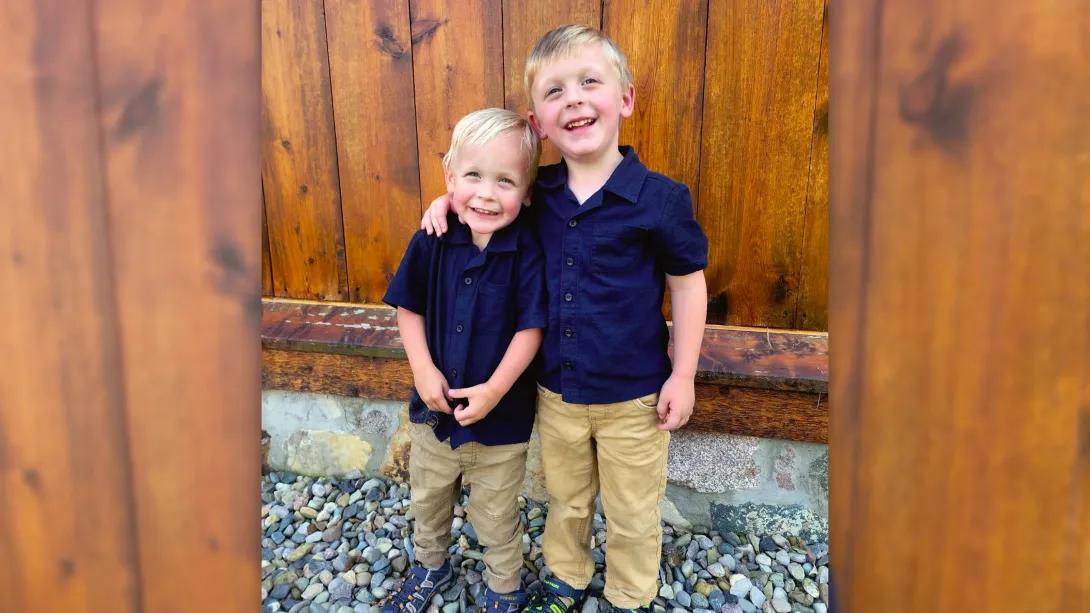
They describe Ben as a social, energetic "goofball" who runs up to people to say hello and loves making his big brother, Charlie, laugh.
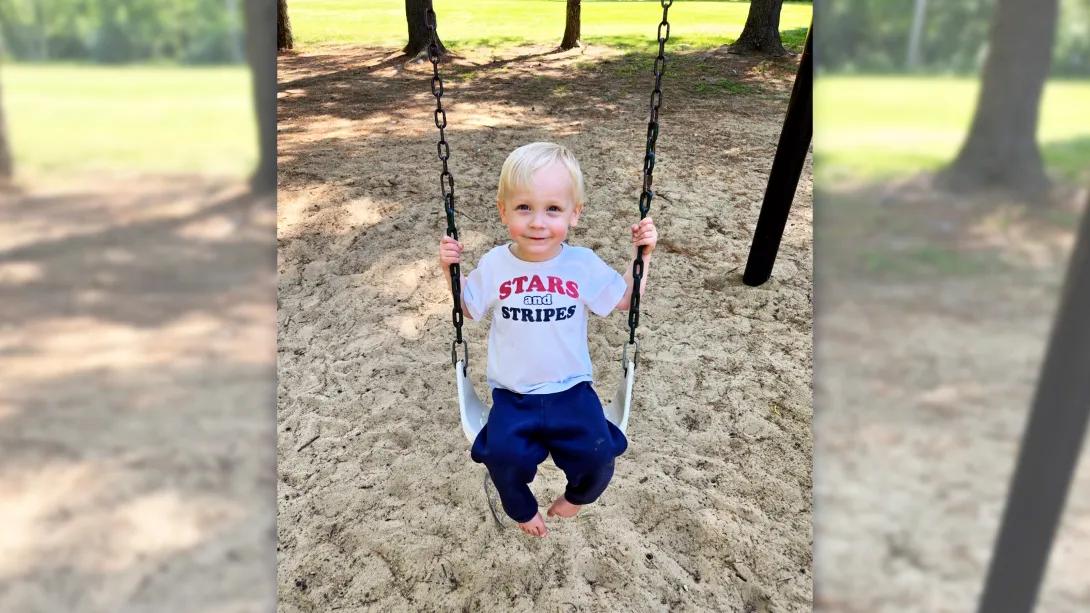
"He's doing amazing after surgery, but we know he'll likely need more care down the road," his mother said. "Having this level of specialized care available to us at Michigan means everything."
Hanging above Ben's bed is a hope beads necklace from Mott teams, representing a journey he’s unlikely to remember. Among them: a red sparkly bead for his blood transfusion, a blue bead for getting an IV and a house-shaped bead marking the day he went home.
"We'll always show him this as a reminder of how brave and strong he was," his mom said. "He went through something really hard, and it’s a reminder that he can get through anything."

Health Lab
Explore thousands of health news & research stories by visiting the Health Lab homepage for more.
In This Story
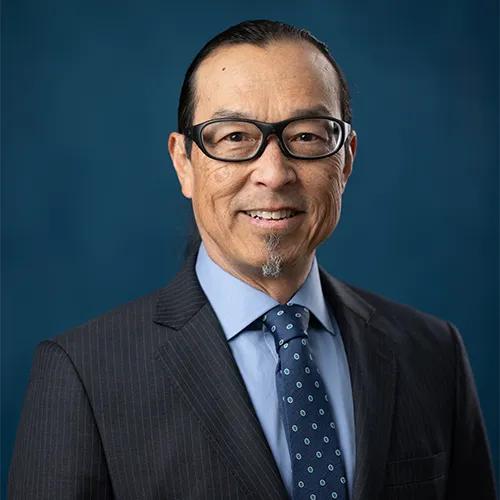
Richard G Ohye
Professor
Featured News & Stories
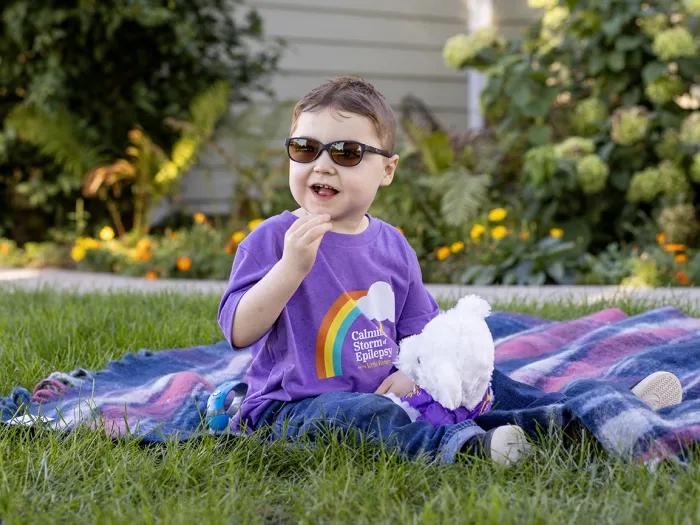
A pediatric epilepsy fundraiser that changes lives

Digital alerts support timely treatment decisions of critically ill cardiac patients

Is the United States Lagging Behind Europe in Memory Improvement?
C.S. Mott Children’s Hospital named No.1 children’s hospital in Michigan by U.S. News & World Report
Reducing infections after heart surgery could save Medicare $441 million per year