Evolving causes, diagnosis of drug-induced liver injury
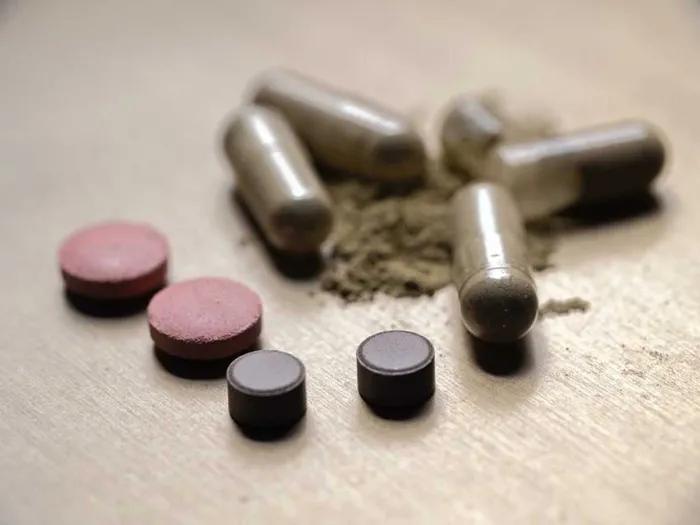
Herbal and dietary supplements are a growing cause of acute liver failure
5:00 AM
Author |
The causes of drug-induced liver injury have evolved over the last 20 years, according to a new review in Hepatology Communications.
Antibiotics remain the most common drug implicated in liver injury in western countries, consistent with past findings.
However, the proportion attributable to antibiotics, anti-tuberculosis drugs and aromatic anticonvulsants has decreased as herbal and dietary supplements and cancer treatments have become more common causes.
These herbal and dietary supplements include ashwagandha, turmeric, and green tea extract. Researchers note that green tea extract is often marketed as preventing liver disease.
This latest review cites research from the US Acute Liver Failure Study Group that found that acute liver failure caused by herbal and dietary supplements rose from 9.7% from 1998-2007 to 22% in 2008-2018.
A previous study found that as many as 15 million Americans take one of six herbal supplements that may be potentially toxic to the liver.
“Herbal and dietary supplements pose a unique challenge, as patients may not always report their use to their physicians,” said Robert J. Fontana, M.D., Michigan Medicine hepatologist and senior author of the review.
“We’ve also found that the labels on these products are frequently misleading, further complicating diagnosis.”
Among other newer causes of liver injury is immune checkpoint inhibitors, increasingly used in cancer treatment.
Other newly reporter causes included kinase inhibitors — which are used in the treatment of certain cancers, as well as autoimmune and inflammatory conditions — and anti-tumor necrosis factor inhibitors, used for the treatment of Crohn’s disease and ulcerative colitis.
The authors also highlight continued challenges in diagnosis drug-induced liver injury, as it requires an expert who can rule out other potential causes.
They cite, however, advances in diagnostic ability, including the Revised Electronic Causality Assessment Method instrument, a computerized tool based on two registries of cases, and LiverTox, a website that scores the likelihood of potential injury for different drugs and supplements.
Additional authors: Linnea Swanson, M.D.
Tech transfer(s)/Conflict(s) of interest: Robert J. Fontana has received research support from Takeda, Fractyl, and MiroMatrix. He has consulted for Roche, Moderna, MetSera, MasterSwitch, and Intellius. Linea Swanson has no disclosures.
Paper cited: “The contemporary epidemiology, causes, and management of drug-induced liver injury,” Hepatology Communications. 10.1097/HC9.0000000000001011
Sign up for Health Lab newsletters today. Get medical tips from top experts and learn about new scientific discoveries every week.
Sign up for the Health Lab Podcast. Add us wherever you listen to your favorite shows

Health Lab
Explore thousands of health news & research stories by visiting the Health Lab homepage for more.
Media Contact

Public Relations
Department of Communication at Michigan Medicine
In This Story

Robert John Fontana, MD
Professor
Stay Informed
Want top health & research news weekly? Sign up for Health Lab’s newsletters today!
Featured News & Stories
Drug candidate successfully treats atherosclerosis, fatty liver disease in large mammals
Study may accelerate identifying patients who need liver transplants
Comprehensive DNA sequencing reveals hidden drivers of cancer
‘Molecular glue’ stabilizes protein that inhibits development of non-small cell lung cancer and uterine cancer

Many older adults make Medicare decisions quickly and most don’t change plans, poll finds