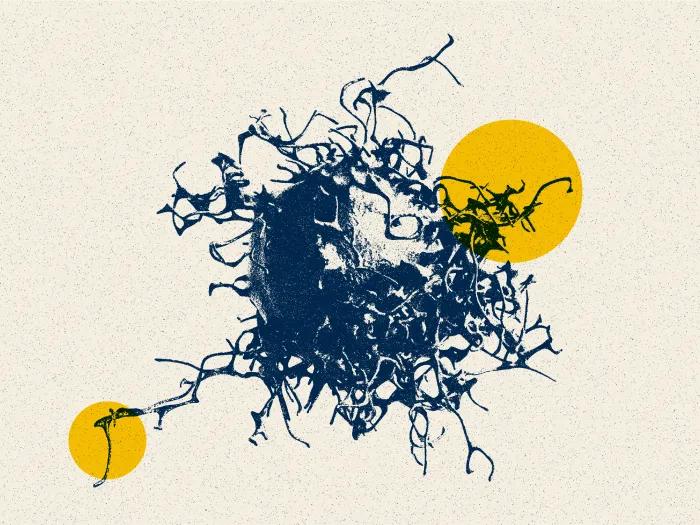
Engineered nanoparticles sensitize gliomas to radiotherapy
Targeting autophagy, the body’s natural cell recycling system, can cure gliomas in mouse models
5:00 AM
Author |
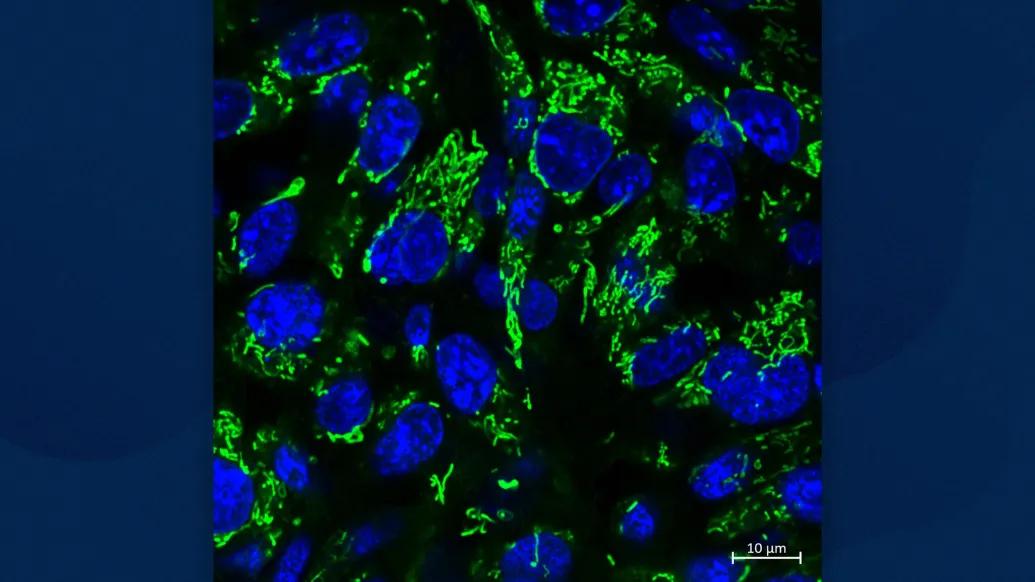
Gliomas are a major cause of cancer-related deaths in younger adults.
About 7,000 patients harbor a common genetic mutation that affects the enzyme isocitrate dehydrogenase 1.
This mutated enzyme, called mIDH1, can produce a molecule that can reprogram both the tumor cells and the environment in which they grow.
The molecule, known as 2-hydroxyglutarate, can also circulate in the blood and reprogram immune cells in the bone marrow.
Although there are FDA-approved inhibitors that can block the production of 2-hydroxyglutarate, these types of gliomas can recur and, when this happens, they are incurable.
In a new study, published in Nature Communications, University of Michigan researchers discovered a new pathway that sensitizes mIDH1 gliomas to radiation in human and mouse mIDH1 glioma cells and mouse models.
“This tumor type affects younger patients whose immune systems can fight the glioma,” said Maria Castro, Ph.D., Professor of Neurosurgery and member of Rogel Cancer Center.
“However, it continues to grow slowly and can recur, which underscores the need for novel treatments.”
In the present study, the team developed mouse models with gliomas that had the mIDH1 mutation and resembled the human disease.
Using these models and human mIDH1 glioma cells that were obtained from surgical biopsies, the researchers found that the autophagy pathway was turned up.
This pathway helps clean the internal environment of the cell.
They also found that the mIDH1 glioma cells were resistant to radiotherapy, which is one of the standard treatment procedures for patients.
“These tumors grow slowly because their increased autophagy helps them clean their cellular trash more effectively,” Castro said.
“They also have increased DNA repair capabilities. That’s why they don’t respond to radiation therapy, which works by targeting the DNA.”
Targeting gliomas with nanoparticles
Targeting signaling pathways in gliomas using chemotherapy has been challenging because most of the available drugs are unable to cross the blood-brain barrier.
Current autophagy inhibitors face the same problem and cause several side effects.
To address this, the team developed nanoparticles that can be injected into the blood stream.
These nanoparticles were able to reach the tumor and deliver small RNAs that could block the autophagy pathway.
“Packing small RNAs into nanoparticles is an innovative way to ensure that the drug cargo can effectively cross into the brain tumors,” said Joerg Lahann, Ph.D., Wolfgang Pauli Collegiate Professor of Chemical Engineering.
“Once they do, the nanoparticles locally release the drugs where they need to act in order to kill cancer cells.”
The researchers found that when they inhibited autophagy and treated the mouse models with radiation, 60% of the animals were cured of their tumors and survived long-term without developing tumors.
The nanoparticles did not cause any toxic side effects.
The team then implanted another tumor in animals who had eliminated their initial tumors.
They found that these mice eliminated the recurrent tumor without any further treatment.
The mice had specific T cells that carried a memory of how to defend the body against a tumor. The T cells remain dormant after the initial cancer is killed. However, when the tumor returns, they reawaken and multiply, eliminating the new tumor.
“We would love to further unravel the molecular mechanisms that lead to anti-tumor immunity,” Castro said.
“Understanding what elicits immunological memory will help block cancer recurrence.”
The team is also hoping to conduct phase 1 clinical trials where they will use a combination of radiation therapy and treatment with the engineered nanoparticles.
Additional authors: Felipe J Núñez, Kaushik Banerjee, Anzar A. Mujeeb, Ava Mauser, Claire E. Tronrud, Ziwen Zhu, Sadhakshi Raghuram, Maya R. Sheth, Jorge Armando Pena Agudelo, Julio Zelaya, Ayman Taher, Padma Kadiyala, Stephen V. Carney, Maria B. Garcia-Fabiani, Andrea Comba, Mahmoud S. Alghamri, Brandon L. McClellan, Adam Klaiss, Zeribe C. Nwosu, Hanna S. Hong, Peter Sajjakulnukit, Tingting Qin, Maureen A. Sartor, Mats Ljungman, Joshua D. Welch, Shi-Yuan Cheng, Pedro R. Lowenstein and Costas A. Lyssiotis.
Funding/disclosures: This work was supported by the NIH/National Institute of Neurological Disorder & Stroke Grants R37-NS094804, R01-NS122165, and R21-NS123879-01, the National Cancer Institute Cancer Center Support Grant 2P30CA46592, and the Rogel Cancer Center Faculty Scholar Award; NIH/NINDS Grant R01-NS124167; NIH/NINDS Grants R01NS122234 and R01-NS122378; The Pediatric Brain Tumor Foundation, Pediatric Cancer Foundation and Ian’s Friends Foundation; NCI Grants R01CA248160 and R01CA244931 and the National Science Foundation Graduate Research Fellowship Grant DGE 1256260.
Tech transfer(s)/Conflict(s) of interest: In the past three years, Lyssiotis has consulted for Astellas Pharmaceuticals, Odyssey Therapeutics, Third Rock Ventures and T-Knife Therapeutics, and is an inventor on patents pertaining to Kras regulated metabolic pathways, redox control pathways in pancreatic cancer, and targeting the GOT1-ME1 pathway as a therapeutic approach (US Patent No: 2015126580-A1, 05/07/2015; US Patent No: 20190136238, 1627 05/09/2019; International Patent No: WO2013177426-A2, 04/23/2015).
Paper cited: "Autophagy Upregulation in Mutant Isocitrate Dehydrogenase 1 (IDH1) Glioma Uncovers a Promising Therapeutic Target,” Nature Communications. DOI: 10.1038/s41467-026-77320-7.
Sign up for Health Lab newsletters today. Get medical tips from top experts and learn about new scientific discoveries every week.
Sign up for the Health Lab Podcast. Add us wherever you listen to your favorite shows.

Health Lab
Explore thousands of health news & research stories by visiting the Health Lab homepage for more.
Media Contact

Public Relations
Department of Communication at Michigan Medicine
In This Story
Maria Castro, PhD
Professor
Related
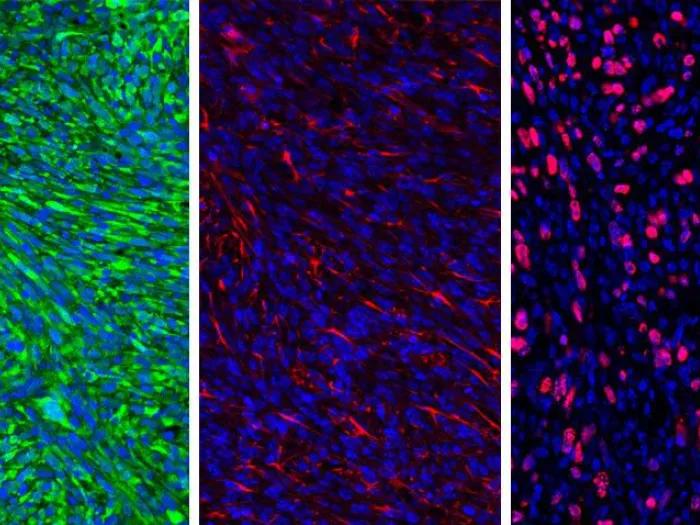
Outsmarting brain cancer
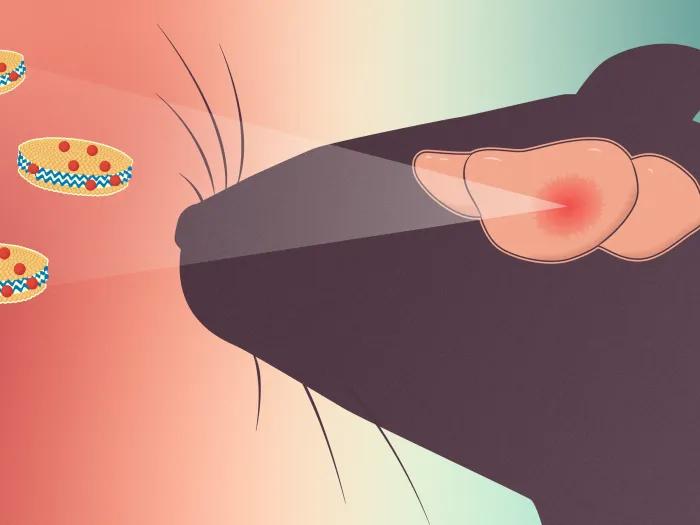
Researchers use nanoparticles to target glioblastoma in mice
Stay Informed
Want top health & research news weekly? Sign up for Health Lab’s newsletters today!
Featured News & Stories

Emergency room intervention pairs smartphone, telehealth counseling to reduce risky firearm behavior

A pediatric epilepsy fundraiser that changes lives

Better prenatal care data could help prevent maternal complications, experts say
Pain, psychological factors and physical function closely linked in people with systemic sclerosis
Many hospitals still don’t do enough to prevent UTIs from catheters