Early blood tests predict death, severe disability for traumatic brain injury
In the study, the method predicted poor outcomes six months after injury with high accuracy.
5:00 AM
Author |
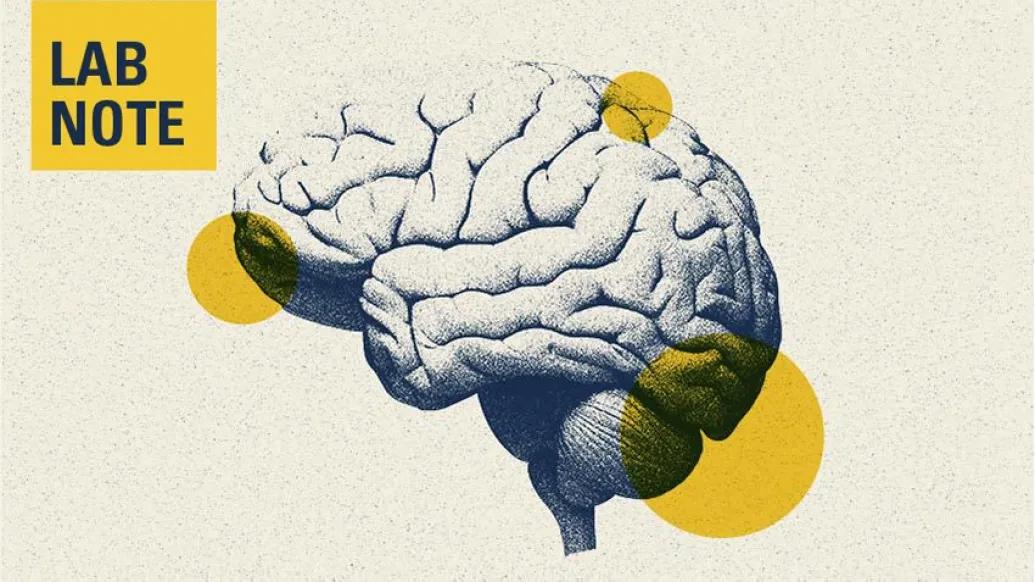
A study finds that blood tests taken the day of a traumatic brain injury can predict which patients are likely to die or survive with severe disability, allowing clinicians to make decisions earlier on possible treatment of TBI.
Researchers from Michigan Medicine, the University of California San Francisco and the University of Pennsylvania analyzed day-of-injury blood tests of nearly 1,700 patients with TBI. Results published in The Lancet Neurology reveal that higher values of two protein biomarkers, GFAP and UCH-L1, are associated with death and severe injury.
Like Podcasts? Add the Michigan Medicine News Break on Spotify, Apple Podcasts or anywhere you listen to podcasts.
This is the first study to examine the association between biomarker levels of these two proteins and all-cause mortality following TBI, says first author Frederick Korley, M.D., Ph.D., associate professor of emergency medicine at the University of Michigan Medical School.
"Early and accurate prediction of TBI outcomes will help clinicians gauge how severe a brain injury is and inform how best to counsel family members about care for their loved ones with brain injury and what to expect with regards to their recovery," Korley said. "It will also help researchers more precisely target promising TBI therapeutics to the right TBI patients."
SEE ALSO: Understanding Quality of Life for Caregivers of Persons with Traumatic Brain Injury
The U.S. Food and Drug Administration cleared the use of GFAP and UCH-L1 in 2018 to help clinicians decide whether to order CT scans for mild traumatic brain injury.
Researchers measured the proteins using two devices from Abbott Laboratories, the i-STAT Alinity and the ARCHITECT. Results were compared to evaluations made six months after injury using the Glasgow Outcome Scale-Extended, a system that grades the functional status of TBI patients.
Investigators found that compared to those with GFAP values in the bottom 20th percentile, those with GFAP values in the top 20th percentile had a 23 times higher risk of death during the subsequent six months. Similarly, compared to those with UCH-L1 values in the bottom 20th percentile, those with UCH-L1 values in the top 20th percentile had a 63 times higher risk of death during the subsequent 6 months.
SEE ALSO: The U.S. is failing to care for traumatic brain injury survivors, experts say
"Modern trauma care can result in good outcomes in what we had once believed were non-survivable injuries," said co-senior author Geoffrey Manley, M.D., Ph.D., professor and vice chair of neurosurgery at UCSF. "These blood tests are both diagnostic and prognostic, as well as easy to administer, safe and inexpensive."
While the method is promising for determining poor outcomes in moderate and severe TBI, researchers say more must be done to examine its role in mild cases.
"As a next step, the TRACK-TBI team is planning a clinical trial that will examine the efficacy of promising therapeutic agents that may help traumatic brain injury patients recover quickly," Korley said. "As part of this clinical trial, these biomarkers will be used as an objective method for selecting the right patients to enroll in this trial. We will also use these biomarkers to monitor individual patient response to these promising therapeutics."
Korley previously consulted for Abbott Laboratories. Korley and Robertson have received research funding from Abbott Laboratories. Manley received research funding from a collaboration between Abbott Laboratories and the U.S. Department of Defense. Diaz-Arrastia consulted for MesoScale Discoveries, BrainBox Solutions, and NovaSignal. All other authors and collaborators declare no competing interests.
Paper cited: "Prognostic value of day-of-injury plasma GFAP and UCH-L1 concentrations for predicting functional recovery after traumatic brain injury in patients from the US TRACK-TBI cohort: an observational cohort study," The Lancet Neurology DOI: 0.1016/S1474-4422(22)00256-3
Live your healthiest life: Get tips from top experts weekly. Subscribe to the Michigan Health blog newsletter
Headlines from the frontlines: The power of scientific discovery harnessed and delivered to your inbox every week. Subscribe to the Michigan Health Lab blog newsletter

Health Lab
Explore thousands of health news & research stories by visiting the Health Lab homepage for more.
Media Contact

Public Relations
Department of Communication at Michigan Medicine
Stay Informed
Want top health & research news weekly? Sign up for Health Lab’s newsletters today!
Featured News & Stories

The AI is listening: Implications of machine generated clinical notes on health care
Comprehensive DNA sequencing reveals hidden drivers of cancer

Many older adults make Medicare decisions quickly and most don’t change plans, poll finds
‘Molecular glue’ stabilizes protein that inhibits development of non-small cell lung cancer and uterine cancer
What’s the latest on 7-OH and kratom availability and addiction care?