Dr. Rothberg’s Michigan Answer: Reversing Type 2 diabetes
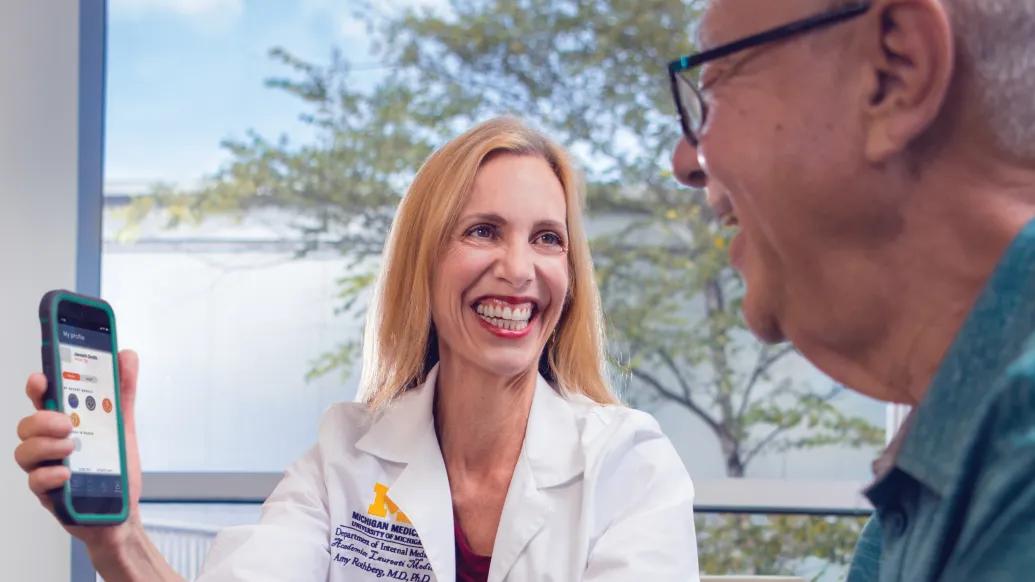
What do you do when you know a disease is reversible, even curable, and yet each year millions of people still suffer from it?
For Amy Rothberg, M.D., you find a whole new way to help people not only lose weight, but in some cases even reverse a diabetes diagnosis.
Obesity and diabetes constitute a global and chronic health crisis that we must address,” says Dr. Rothberg, an endocrinologist and director of the University of Michigan Health Weight Management Program. "We’re all touched by people in our lives who have trouble with their weight. My life-work and passion are to help them. And when they get better, everyone around them does better."
Ten years ago, Dr. Rothberg started the Weight Management Program to help patients improve chronic health problems associated with weight, like heart disease and diabetes. She’s most proud of how many people have actually reversed their diabetes.
Says Dr. Rothberg, “For decades people thought they were consigned to taking medications, or worse, were destined to develop complications associated with this disease. Even though many were told that they may benefit from losing weight, their dieting experiences often led to short-term successes or cycling between weight loss and weight gain. Some of these folks ultimately gave up trying. Our program is built on educating people and giving them the tools and support to help them keep the weight off for good, as well as overcome their comorbidities – like diabetes – using a holistic, highly structured, lifestyle intervention focused on diet, physical activity and behavior change.”
The results have been dramatic. Just ask former patient Michael Allie. In 2015, Michael was diagnosed with type 2 diabetes. Having been overweight for a number of years, he decided to take control of his health and his future by joining the Weight Management Program.
“I started the program weighing 212 pounds. The team first educated me on a system for losing weight which in the short run consisted of consuming low calorie, highly nutritious shakes, soups and vegetables. Within eight weeks into the program, I lost 32 pounds. And the even bigger news was that my diabetes went away. So, yeah, the program really helped,” says Michael.
Beyond the remarkable health he’s now enjoying, Michael is grateful for the team who supported him and how they continue to help him through monthly visits, calls, emails and support groups.
Says Michael, “Dr. Rothberg, the dietitians, and health coaches are amazing! They made sure that I understood everything so I knew what was to come and why it mattered. And they continue to do so. Because it’s pointless to lose weight if you’re just going to gain it again. They give me confidence. They give me a long-term strategy. They give me hope.”
And it’s not just Michael who has had life-changing breakthroughs.
“Our patients change radically for the better. Beyond the weight loss, many take fewer medications and some even stop taking drugs completely,” says Rothberg.
Many patients also report that their sleep improves, their mood improves and they have more energy.
“They tell us that they move better, think better, and are more productive than they have been in years or decades.”
Having helped over 3,000 patients, Dr. Rothberg and her team have proven it’s possible to defeat type 2 diabetes and other obesity-related health conditions. But the work is just beginning. Millions of people across Michigan and the nation today struggle with diabetes and obesity.
In 2020, Dr. Rothberg and several colleagues began a research project to answer the question of whether technology platforms can help scale their unique program and broaden access to people beyond the Ann Arbor area.
Dr. Rothberg and her team are collaborating with Rewind, a San Francisco-based company to explore how they can use technology to create an even more supportive, team-driven experience that is accessible to anyone, no matter where they live in Michigan.
Each patient enrolled in the clinical study can opt to become a “member” of a Rewind team, along with their doctor, dietitian and coach.
“Rewind staff connect with patients outside of a traditional clinic setting, using an app and a virtual communication platform, to address any challenges and provide coaching in real time,” explains Rothberg.
Dr. Rothberg and her team are studying the uptake, retention and success of patients enrolled in the program.
They plan to publish their work’s impact on patient outcomes so that other academic institutions can be apply the findings with their patients. In the meantime, for Dr. Rothberg and her team, reversing diabetes and other chronic illnesses through weight loss has become a calling.
“This is my purpose. I go to sleep thinking about it, I dream about it, and I wake up thinking about it. It’s a challenging career at times, but extremely gratifying. How often do you get to hear people tell you that we’ve helped them take back their life? That is the reason I do what I do,” says Dr. Rothberg.

Health Lab
Explore thousands of health news & research stories by visiting the Health Lab homepage for more.
In This Story
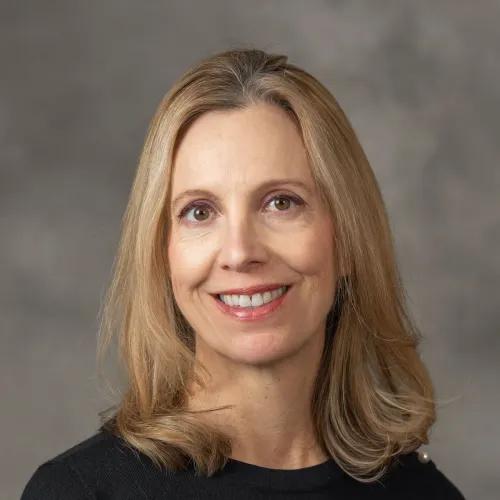
Amy E Rothberg, MD, DABOM
Clinical Professor
Featured News & Stories

Medicare's New GLP-1 Bridge Program

What should you know before starting a GLP-1?

7 things to know about Medicare’s new GLP-1 coverage
Supplementing with peptides: Good for extra pep or a needless step?

New study reveals a missing step in a weight control pathway that could be targeted for obesity treatment