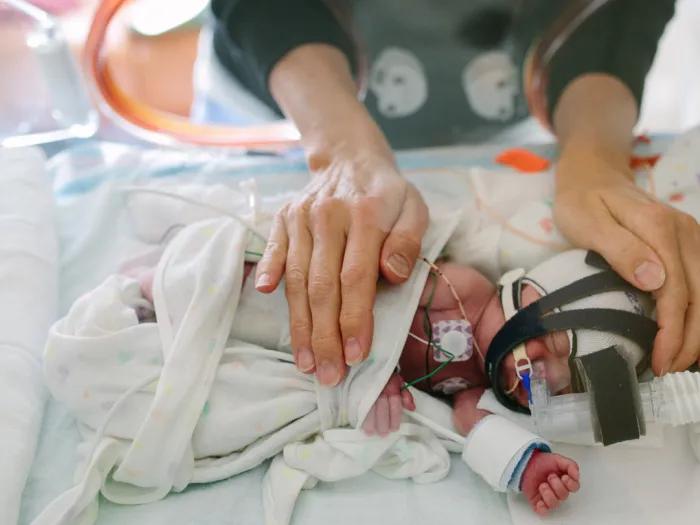
Distance, insurance, social factors may hinder access to lifesaving heart monitoring for children
Researchers uncover barriers to recommended follow-up care for children, teens, young adults with complex congenital heart conditions
2:00 PM
Author |

For babies born with single ventricle heart disease, a series of complex surgeries culminating with a Fontan procedure makes survival possible.
But patients who undergo this surgery face lifelong risks of complications affecting the heart and other organs, making regular monitoring and follow-up care essential.
New research from the Congenital Heart Center at University of Michigan Health C.S. Mott Children’s Hospital suggests that social, economic and geographic factors may influence whether these patients receive the recommended cardiac monitoring needed to identify complications early.
The findings were presented at the American Heart Association Scientific Sessions in Chicago.
“Because Fontan-associated complications can affect multiple organ systems and are associated with significant long-term health risks, gaps in surveillance may have important implications for patients' health and survival,” said senior author Sowmya Balasubramanian, M.D., pediatric cardiologist at U-M Health C.S. Mott Children’s Hospital.
“Our findings suggest groups associated with certain social determinants of health, including having public insurance coverage and living farther away from their health system, are more likely to miss recommended monitoring. We need targeted strategies to reduce these barriers to care.”
Fontan follow-up
Researchers reviewed electronic health records for 367 children, adolescents and young adults who had undergone the Fontan procedure and received cardiology care at Mott.
They looked at whether patients received recommended cardiac testing and attended follow-up appointments within the time frames set by clinical practice guidelines.
While all patients completed echocardiograms and electrocardiograms, adherence was lower for other important tests, including exercise stress tests, cardiac MRIs and cardiac catheterizations.
Barriers to care
The researchers also identified differences associated with social determinants of health. Patients identifying with racial or ethnic groups other than non-Hispanic White were more likely to miss multiple recommended cardiac tests.
Patients with public or no insurance were also more likely to miss recommended testing than those with private insurance. For example, exercise testing and cardiac MRI completion rates were significantly lower among patients with public or no insurance.
Geography also played a role. Patients living more than 50 miles from their medical center were significantly less likely to complete a cardiology appointment within the recommended timeline compared with those living closer (80% versus 93%).
The goal is not only to establish standards for lifelong Fontan care, but to ensure that every patient has an equitable opportunity to receive it.”
--Sowmya Balasubramanian, M.D.
Potential interventions, authors say, include electronic health record alerts to help providers identify patients who may be at higher risk of falling behind on recommended testing, increased provider education about surveillance guidelines, and institutional and national quality improvement initiatives to track care delivery.
“Improving access to consistent, evidence-based monitoring could help identify complications earlier, reduce preventable health risks and improve long-term outcomes for patients living with single ventricle heart disease,” Balasubramanian said.
“The goal is not only to establish standards for lifelong Fontan care, but to ensure that every patient has an equitable opportunity to receive it.”
Sign up for Health Lab newsletters today. Get medical tips from top experts and learn about new scientific discoveries every week.
Sign up for the Health Lab Podcast. Add us wherever you listen to your favorite shows.

Health Lab
Explore thousands of health news & research stories by visiting the Health Lab homepage for more.
Media Contact

Public Relations
Department of Communication at Michigan Medicine
In This Story

Sowmya Balasubramanian
Clinical Professor
Related

Understanding why kids with Fontan heart procedures face higher risks after heart transplant
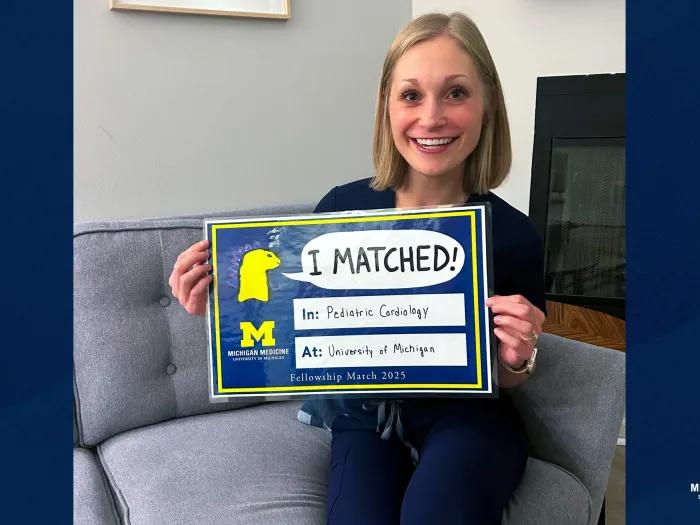
Fontan patient inspires as pediatric cardiology fellow
Stay Informed
Want top health & research news weekly? Sign up for Health Lab’s newsletters today!
Featured News & Stories

New heart, three medals and a shot at the world stage

From patient to artist: A project close to her heart

Missed feedings in 10-day-old infant led to rare infantile botulism diagnosis

Michigan man undergoes complex heart repair after last minute surgery cancelation

After 13 years of IV nutrition, teen finds freedom to just be a kid