Diabetic retinopathy is being diagnosed more in younger patients
Research highlights alarming rates of diabetic retinopathy; an ophthalmologist shares what to know
10:26 AM
Author |
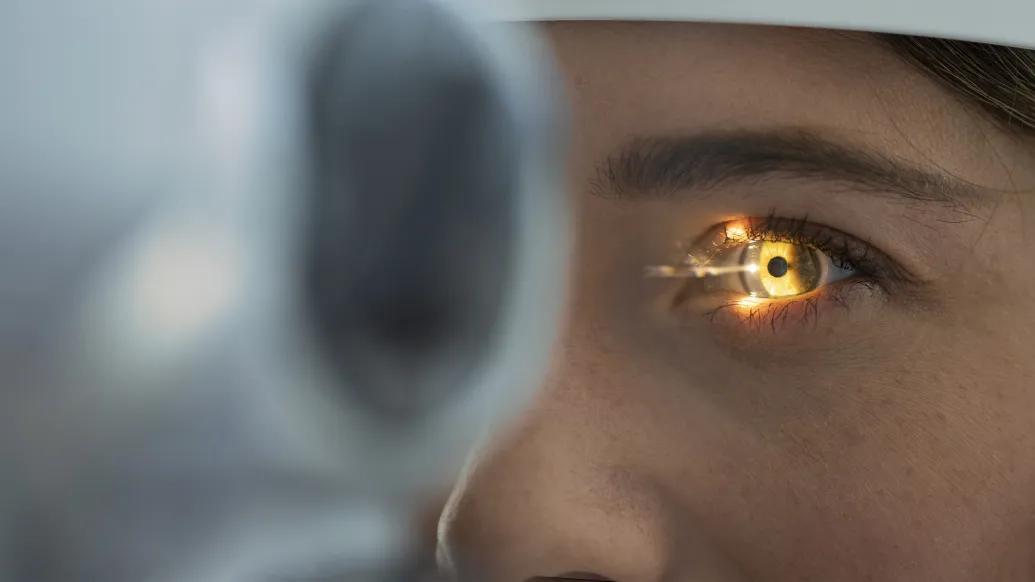
Ophthalmologists tend to regard diabetic retinopathy as rare in young people with diabetes, but a recent editorial in JAMA Ophthalmology calls increasing rates of diabetic retinopathy in the young “a potentially unappreciated public health catastrophe,” and urges practitioners to remain vigilant in seeking signs of the problem.
The paper, co-authored by Julie M. Rosenthal, M.D., M.S., from the University of Michigan Department of Ophthalmology and Visual Sciences and Kellogg Eye Center, cites recent data from two sources: the SEARCH for Diabetes in Youth study, and the Treatment Options for Type 2 Diabetes in Adolescents and Youth study.
“Diabetic retinopathy in young people is more common than we originally thought,” Rosenthal said.
“So we need to take action by screening for it and intervening when we are able.”
What is diabetic retinopathy?
Diabetic retinopathy happens when high blood sugar damages tiny blood vessels and nerves in the retina, the structure at the back of the eye that acts like the sensor in a digital camera.
The condition can lead to vision loss that can be permanent and blinding.
Experts say the best way to minimize the risk of diabetic retinopathy is to effectively manage the patient’s diabetes.
“In youth-onset Type 1 or Type 2 diabetes, we used to think it was rare to have retinopathy, but we’re finding out more and more that’s just not the case,” Rosenthal explained.
“These two major studies found that after just 12 or 13 years of having diabetes, at least 50% of people had some amount of retinopathy, which is unexpectedly and unacceptably high.”
Rosenthal and her co-authors, pediatric endocrinologist Risa M. Wolf, M.D., from Johns Hopkins, and retina specialist Jennifer K. Sun, M.D., M.P.H., of Harvard, write that among participants in the studies who have Type 2 diabetes, 49 to 55% had diabetic retinopathy after having diabetes for only about 12-13 years.
This was a surprise, as earlier data from one of the studies at seven years after diagnosis only showed a rate of 4-13%.
Even though much of that retinopathy isn’t immediately threatening to vision, she added, “that’s way more than we ever thought before, and given the increasing number of people who have diabetes, and especially with the prevalence of Type 2 diabetes going up, this is something we really need to pay attention to as ophthalmologists and as pediatric endocrinologists.”
Young adults should stay vigilant about their diabetes
As a practitioner, Rosenthal says she knows how difficult it can be to keep good control of diabetes – especially during the years when diabetic retinopathy can begin taking a toll on young adult patients.
For patients, life events such as establishing their own homes, going off to college, starting a new job, or even transitioning from a pediatric endocrinologist to an adult doctor can all get in the way of closely monitoring a dangerous, progressive disease.
“Diabetes is not an easy disease to have – it affects every aspect of a person’s life. When your friends aren’t having to deal with this, when you want to be living your life like a normal 18-, 20-, or 22-year-old, it can be really tough to get to your screening exams and keep good control of the disease,” Rosenthal said.
We’re very concerned that the disparities that are already present are going to widen if we don’t take action. We need to make sure people are able to see their doctors and find better ways to get the treatment and the screening that they need.”
– Rosenthal
That said, it’s important to both control the illness and know whether retinopathy may be progressing.
“While we think that control over blood sugar is a big factor in preventing retinopathy, we know it’s not the only one,” Rosenthal said.
“The earlier you’re screened, there may be actions we can take to intervene at the beginning stages of the disease – before you’ve lost vision, before you’ve gotten a retinal detachment or a lot of bleeding in the back of your eye – treatments that may prevent those things from happening and permanently affecting your vision at such a young age.”
Black, Hispanic youths disproportionately affected
While the incidence of both types of diabetes in youths has risen over the past 20 years, the greatest increase has been among Black and Hispanic youths, a trend that’s projected to worsen in coming years.
Diagnoses of Type 1 diabetes are projected to increase 65%, while Type 2 diagnoses may shoot up more than 600%, according to the JAMA Ophthalmology paper.
Studies also indicate that racial and ethnic minority groups bear a heavier burden of diabetic retinopathy than their white peers.
“We’re very concerned that the disparities that are already present are going to widen if we don’t take action,” Rosenthal said.
“We need to make sure people are able to see their doctors and find better ways to get the treatment and the screening that they need.”
More and better screening methods make for better outcomes
Traditional methods of checking for diabetic retinopathy involve examining the retina or taking a picture of the back of the eye to check for changes including bleeding, swelling, tiny aneurisms or patches of the retina that aren’t getting great blood flow.
But more recently, doctors have begun considering diabetic retinopathy as more of a problem affecting a “neurovascular unit” of nerves and blood vessels working together.
“We haven’t been looking at the neurologic part of retinopathy,” Rosenthal said, by using tests like contrast sensitivity – for example – trying to see a letter that’s getting closer to the same color as the background.
“Is there something happening in the retina before we’re even seeing the retinopathy that could be affecting these young people?” she asked.
Studies in adults have pointed to changes in how the retina functions that may come before retinopathy is visible on exam or photographs.
Ideally, Rosenthal says, she’d like to see more and better screening done in ways that make it easier for patients to stay on top of their eye health.
“We need to take screening to where patients already are—at their pediatric endocrinologists’ office or primary care physician, so they don’t have to make an extra trip to the eye doctor,” Rosenthal explained.
“Patients and their parents have so many tasks to complete when they have retinopathy, and this would help check one item off their list. Many programs such as this are already underway for adults.”
Even though treatment options are better than they were even 15 years ago, she adds, those treatments are still more reactive than preventative. In the future, Rosenthal hopes to have effective treatments that can act at earlier stages of the disease.
Additional authors: Risa M. Wolf, M.D., Johns Hopkins, and Jennifer K. Sun, M.D., M.P.H., of Harvard.
Paper cited: "Diabetic Retinopathy in Youths—A Potentially Unappreciated Public Health Catastrophe," JAMA Ophthalmology. DOI: 10.1001/jamaophthalmol.2024.3877
Sign up for Health Lab newsletters today. Get medical tips from top experts and learn about new scientific discoveries every week.
Sign up for the Health Lab Podcast. Add us wherever you listen to your favorite shows.

Health Lab
Explore thousands of health news & research stories by visiting the Health Lab homepage for more.
Media Contact

Public Relations
Department of Communication at Michigan Medicine
In This Story
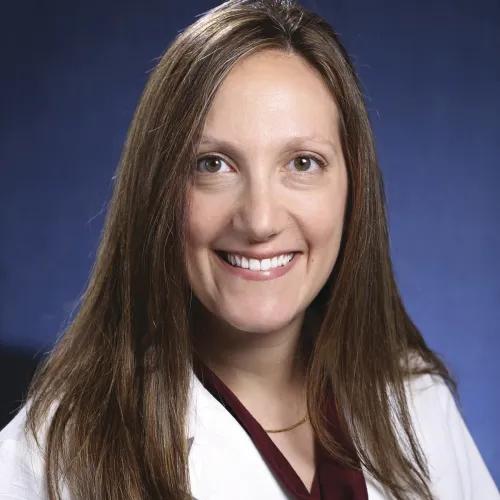
Julie M Rosenthal
Clinical Assistant Professor
Stay Informed
Want top health & research news weekly? Sign up for Health Lab’s newsletters today!
Featured News & Stories
Innovative children’s vision research gets a boost from the Knights Templar Eye Foundation

Better prenatal care data could help prevent maternal complications, experts say
Pain, psychological factors and physical function closely linked in people with systemic sclerosis
Many hospitals still don’t do enough to prevent UTIs from catheters
Rural-urban disparities in head and neck cancer