C.S. Mott Children’s Hospital first in country to implant expandable heart valve during FDA review phase
6-year-old child from Michigan first to receive Edwards Lifesciences-produced Autus Valve as the device moves closer to commercial approval
8:16 AM
Author |

University of Michigan Health C.S. Mott Children’s Hospital is the first hospital in the country to implant an Edwards Lifesciences- produced Autus Valve during the Food and Drug Administration review phase of the breakthrough synthetic pulmonary valve.
The size-adjustable technology is designed for children ages 18 months to 16 years and can be dilated as they grow, potentially reducing the need for replacement through open heart surgery.
In August, a six-year-old child from Michigan was the first patient to receive an Autus Valve manufactured by Edwards Lifesciences after the company acquired the technology.
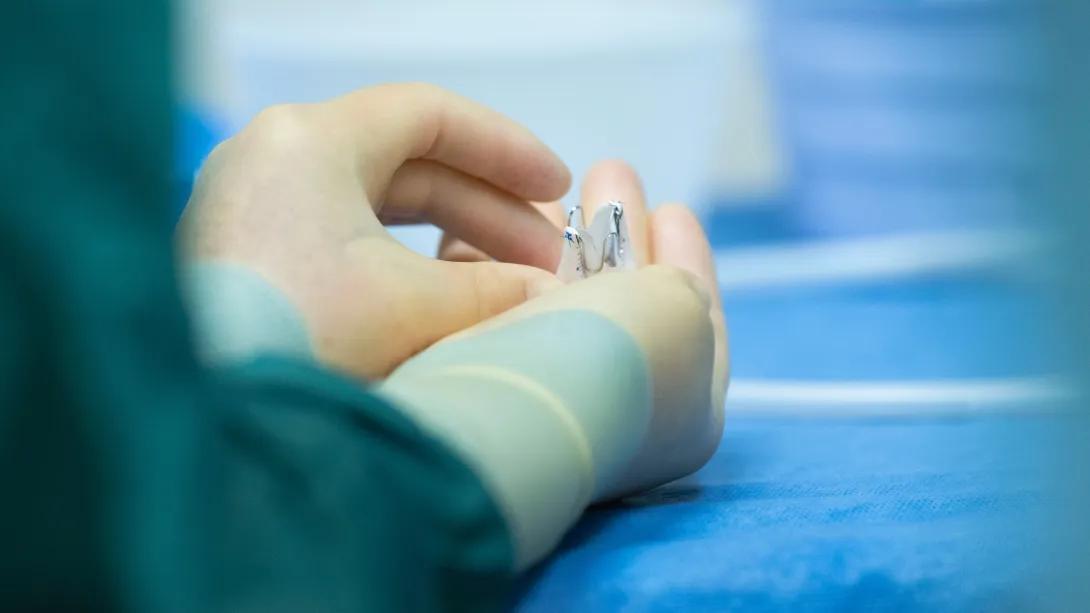
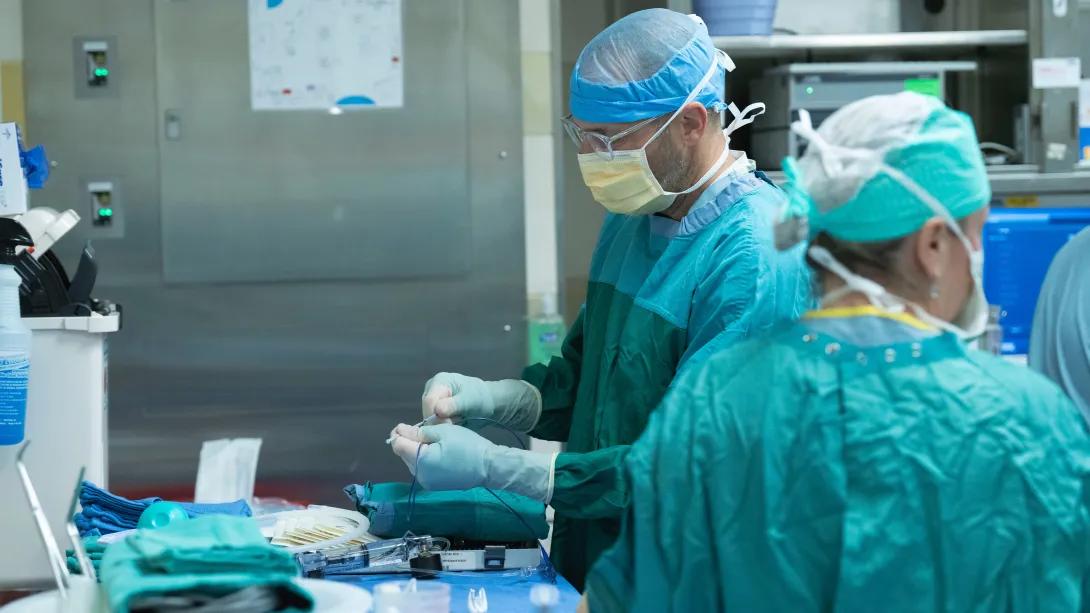
The surgery at Mott was the first Autus Valve implantation in the Continued Access study, which allows children to receive the device while the Food and Drug Administration reviews the pivotal trial results.
“This valve is a game changer,” said Mott pediatric heart surgeon Jennifer Romano, M.D., who was the primary site investigator for the prior pivotal trial. “Typically, we give these children a temporary fix, knowing they will need more surgeries down the road.
“Now, we may be giving a child a valve that could potentially last them a lifetime. This could be transformative.”
Mott is among 12 hospitals in the country that participated in the investigational device’s pivotal trial and enrolled the final patient in that study in spring.
Romano’s role in the pivotal trial has given U-M teams some of the most extensive experience with implantation of the novel device.
The FDA’s review and approval are the next key steps before the device can be offered commercially.
Designed to ‘grow’ with children
The Autus Valve is designed specifically for children who need a replacement pulmonary valve.
Unlike traditional tissue valves, which can deteriorate over time and are limited by a child’s growth, the Autus Valve can be expanded using a minimally invasive balloon procedure as the child gets bigger and can also be implanted in far smaller children than other valve technologies.
“This valve is a game changer. Typically, we give these children a temporary fix, knowing they will need more surgeries down the road. Now, we may be giving a child a valve that could potentially last them a lifetime. This could be transformative.”
-Jennifer Romano, M.D.
This could fundamentally change the way doctors approach pulmonary valve replacement in young children, Romano says.
For some children with congenital heart disease, surgeons have historically had to choose between relieving an obstruction to blood flow from the heart and leaving the child with an incompetent pulmonary valve.
Although children can tolerate that condition for years, the resulting volume overload can cause the right ventricle to enlarge and can contribute to problems later in life.
“With the Autus Valve, we can address the problem we need to fix without creating another problem,” said Romano.
“We can give a child a competent valve now, protect the right ventricle and then expand that valve as the child grows.”
The Autus Valve uses thin polytetrafluoroethylene, rather than biological tissue, for its valve leaflets.
Researchers are continuing to study how the material will perform over the long term.
Early clinical results show favorable safety outcomes, and a few children in the main clinical trial have already reached the stage where doctors were able to successfully expand their heart valves.
The Continued Access patients will continue to be followed for years, adding to researchers’ understanding of how the valve performs over time.
Continuing access to the technology
U-M Health C.S. Mott Children's Hospital is currently the only approved Continued Access site in the Michigan, Indiana and Ohio areas and continues to enroll eligible patients.
“This effort required extraordinary collaboration across our congenital heart center, from identifying the right patients to coordinating the procedures and supporting families,” said Richard Ohye, M.D. Co-Director of the Congenital Heart Center at C.S. Mott Children’s Hospital.
“Every part of the team came together to make this opportunity possible for our patients.”
Continuing to offer the valve during the Continued Access study requires significant institutional commitment.
Pediatric clinical trials often involve relatively small numbers of patients who must be followed for many years, creating logistical and financial challenges for hospitals offering the technology before it becomes commercially available.
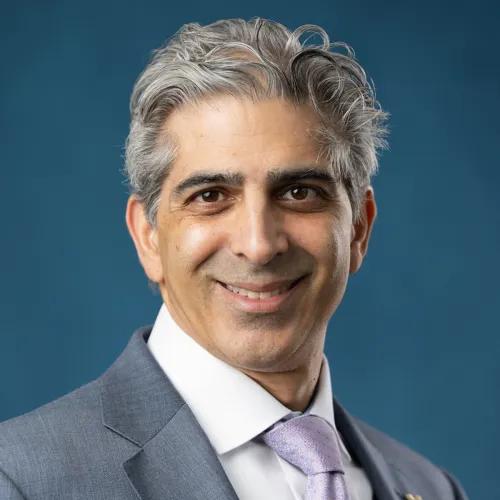
“Many of our patients need consideration for their entire lifetime,” said Gorav Ailawadi, M.D, M.B.A., Chair of Cardiac Surgery and a Director of the U-M Health Frankel Cardiovascular Center.
“We saw an opportunity for a novel, cutting-edge treatment with the potential to improve patients’ long term outcomes and were committed to offering this to our patients."
Sign up for Health Lab newsletters today. Get medical tips from top experts and learn about new scientific discoveries every week.
Sign up for the Health Lab Podcast. Add us wherever you listen to your favorite shows.

Health Lab
Explore thousands of health news & research stories by visiting the Health Lab homepage for more.
Media Contact

Public Relations
Department of Communication at Michigan Medicine
In This Story

Jennifer Romano
Professor

Richard G Ohye
Professor
Gorav Ailawadi
Professor
Stay Informed
Want top health & research news weekly? Sign up for Health Lab’s newsletters today!
Featured News & Stories

Many older adults make Medicare decisions quickly and most don’t change plans, poll finds

What’s the latest on 7-OH and kratom availability and addiction care?

A metabolic “switch” that could help reset scar-producing cells in scleroderma

Depression in OBGYN residents needs more attention, study suggests

Emergency room intervention pairs smartphone, telehealth counseling to reduce risky firearm behavior