Could Your Child be Vaping? What All Parents Need to Know
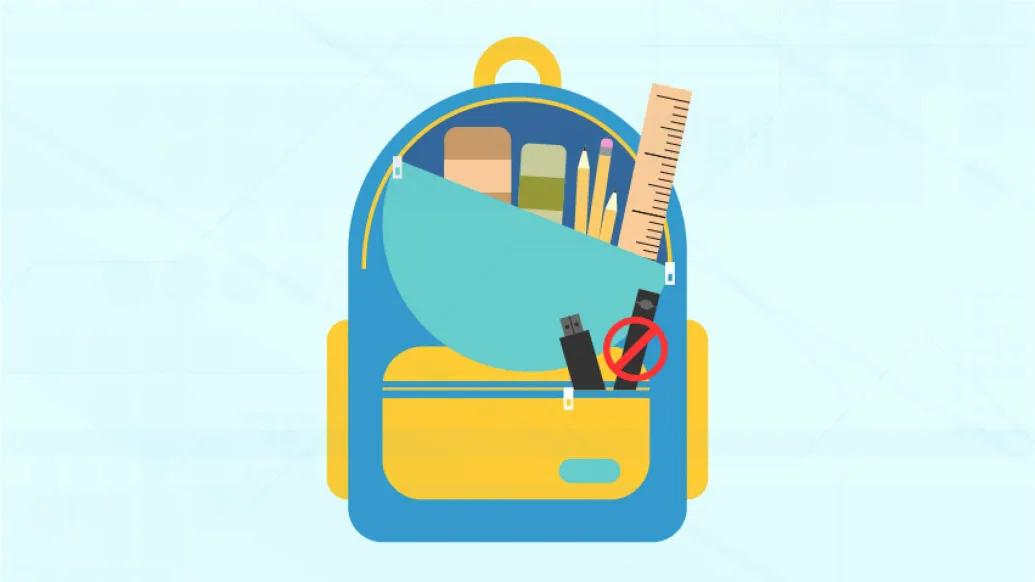
Vapes can be odorless and disguised as USB drives, making them easier to conceal. The signs parents should watch for.
5:47 PM
Author |
While the rate of teen smoking has declined, a rising trend is causing new concern for adolescents getting hooked on nicotine: vaping.
A multi-state outbreak of lung disease linked to e-cigarettes – including several deaths believed to be tied to vaping-related illness – has prompted an investigation by the Centers for Disease Control and Prevention and heightened health concerns over vaping.
And pediatricians, lawmakers and health advocates say there is an urgent need to educate adolescents, one of the most vulnerable groups of potential e-cigarette users.
Often odorless and disguisable, vaping can be done discreetly – and many parents may not be aware of what signs to watch for.
"Teens might have a more difficult time hiding a cigarette smoking habit from parents," says Antonia Popova, M.D., a pediatric pulmonologist at the University of Michigan's C.S. Mott Children's Hospital.
"But some parents may not even recognize a vaping product if they saw one. They can look like USB drives and smell like fruit or mint. These characteristics make it appealing to young people and also easier to conceal."
E-cigarette use has increased dramatically among youth over recent years, with more than 3.6 million middle and high school students now estimated to vape. New data from the University of Michigan suggests that rates of e-cigarette use have doubled among eighth, 10th and 12th graders in the past two years. In 2019, the prevalence of past month nicotine vaping was more than 1 in 4 students in 12th grade; 1 in 5 in 10th grade, and 1 in 11 in eighth grade, the U-M survey suggests.
Some legislators have taken steps to limit risks to youth, with Michigan recently becoming the first state to announce a ban on flavored vape products. Young people have cited youth-friendly flavors like mango and berry as a reason for trying the product.
The US Centers for Disease Control recently activated its Emergency Operations Center to look into at least 380 cases of lung injuries associated with the use of e-cigarettes in at least 36 states.
"These severe cases we've been hearing about in the news may just be the tip of the iceberg," Popova says.
Why it's dangerous
The brain continues developing until age 25. Altering the regular ways brain cells connect and communicate can lead to learning problems, attention issues and changes in mood, Popova says.
These severe cases we've been hearing about in the news may just be the tip of the iceberg.
Some teenagers may not realize that the vapor from e-cigarettes contains some of the same toxic chemicals found in smoke from conventional cigarettes and may have toxic effects on lung health as well, Popova says.
"Most e-cigarettes contain nicotine, an addictive substance found in traditional cigarettes that can harm a developing brain," she says. "By using nicotine, we affect how the brain functions and how cells communicate. Young developing brains are particularly vulnerable to the potential effects of nicotine."
A study in Pediatrics indicates e-cigarette users are vaping a number of cancer-causing, volatile organic compounds, including propylene oxide, acrylamide, acrylonitrile and crotonaldehyde.
And there's also evidence that vaping may open the door to other unhealthy behavior.
"Data suggests there's an increased risk of vaping teens trying other tobacco products," Popova says. "This can result in addiction with long-lasting, adverse health effects."
How to know if your teen vapes
The dangerous habit can be hard to pick up on, since e-cigarettes come in all shapes and sizes with various vapor scents.
"Aside from the more serious acute presentation of lung disease, there are other symptoms of ritual vaping that parents may just dismiss as their child having a cold," says Popova.
This could include coughing, chest pain, fever, weight loss, nausea, abdominal pain, diarrhea and recurring pneumonia.
Shortness of breath during simple activities like walking up stairs or what may be a child's regular activity, such as sports, may be another sign, Popova says.
"For example, don't discount the possibility of vaping if you have a student athlete that suddenly gets winded during practice or games," says Popova.
Starting the conversation
Whether the signs are present or not, Popova says it's important for all parents to talk with their children about the dangers of vaping.
A strong foundation for what may be a tense discussion starts with parents educating themselves on e-cigarette use from reliable sources like the FDA, CDC and the U.S. Surgeon General's website.
"It's important to know the dangers of vaping," says Popova. "But it's just as important to make yourself aware of what vapes may look like."
She notes that some of the most widely used products are small and sleek and may appear to be thumb drives, pens or other items easily mistaken for school supplies.
When parents are ready to talk to their child about vaping, Popova says "be ready to listen. Encourage open dialogue and don't criticize their actions. At the same time be firm in expressing your expectation your child should remain nicotine free"
Since e-cigarettes have only been in the U.S. since 2006, there are still many unknowns about its long-term health effects.
However, parents can talk to their kids about what experts do know: vaping is a serious health risk.
They should tell their kids that it's a misconception that the vapor produced by e-cigarettes is harmless water vapor or a "healthier" alternative to other products. They should share information about how much nicotine and harmful substances are in e-cigarettes. And that regular vaping may lead to addiction, the use of other tobacco products and brain and lung health issues.
LISTEN UP: Add the new Michigan Medicine News Break to your Alexa-enabled device, or subscribe to our daily updates on iTunes, Google Play and Stitcher.
"Make this an ongoing conversation, and set a good example by trying to be tobacco free yourself," Popova says.
Patience and having regular conversations with your child builds trust and encourages transparency, Popova says. If your child doesn't want to talk to a parent, motivating them to speak with their peers, teachers or healthcare providers could feel like a safer option for them.
"The whole community needs to be a part of this education and advocacy," says Popova. "As physicians, we especially have an obligation to be at the forefront of addressing this issue and helping others know the risks."
For more tips on how to talk to your teen about vaping and for sample responses for common questions they might ask, visit the US Surgeon General's tip sheet.

Health Lab
Explore thousands of health news & research stories by visiting the Health Lab homepage for more.
Media Contact

Public Relations
Department of Communication at Michigan Medicine
Stay Informed
Want top health & research news weekly? Sign up for Health Lab’s newsletters today!
Featured News & Stories

What’s the latest on 7-OH and kratom availability and addiction care?

Better prenatal care data could help prevent maternal complications, experts say

Nerf gun accident causes retinal detachment in pediatric patient

Rabies is on the rise: Experts offer advice

E-Bikes are everywhere, but most parents say they don’t know enough about them