Is chocolate safe for people with IBS?
A gastroenterologist talks about whether or not it’s safe to indulge in the sweet treat
2:53 PM
Author |

This story originally ran on 10/29/2020 and was then additionally reviewed and republished on 10/29/2024.
Life with irritable bowel syndrome, or IBS, can be the stuff of nightmares when left untreated.
Physical symptoms can include diarrhea, constipation, bloating and abdominal pain, while the condition has also been linked to things like depression and anxiety.
An astounding 10 to 20% of Americans live with IBS, while nearly 15% of the world's population reports suffering with IBS symptoms.
With Halloween and the upcoming holidays quickly approaching, many people will overindulge in sweet treats, like chocolate.
But how does chocolate, specifically, affect IBS and other GI-related conditions?
Well, Michigan Medicine's William Chey, M.D., a gastroenterologist and professor of medicine and nutrition sciences, is an expert when it comes to how food affects individuals with IBS.
Here he talks about how you can enjoy Halloween and the rest of the holidays while living comfortably with IBS.
Should people with IBS eat chocolate?
Chey: Traditionally, chocolate has been viewed as a potential trigger for gut symptoms like pain, cramping, bloating, gas and diarrhea. This is because chocolate, particularly milk chocolate, contains a lot of sugar, including lactose, milk proteins and fat – all of which can cause symptoms in susceptible persons.
MORE FROM MICHIGAN: Sign up for our weekly newsletter
This is particularly true in persons who are lactose intolerant or who have conditions like IBS. More recently, though, there has been research to suggest that cocoa powder may counterbalance the bad side effects traditional chocolate can give.
Preliminary work suggests that cocoa may promote the growth of beneficial gut bacteria such as Lactobacillacea and Bifidobacterium. As gastroenterologists, we still need more research on this, but it appears that children may not be the only organisms who love chocolate.
Is there science around why individuals with IBS should not indulge in chocolate?
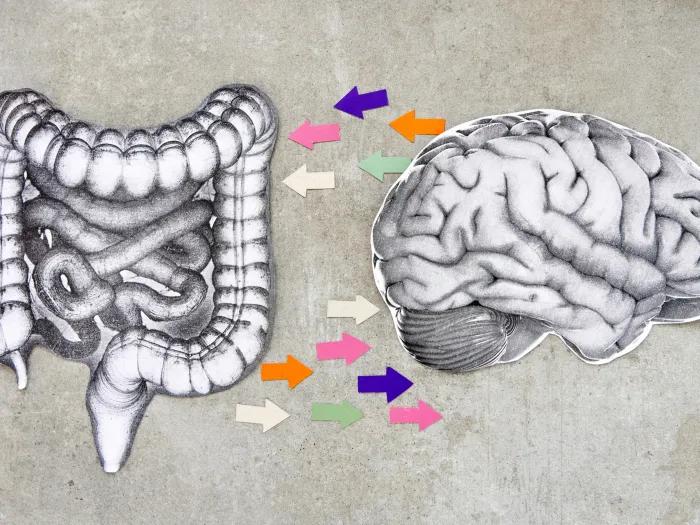
Chey: Many patients with IBS have underlying abnormalities in the way their gut senses and reacts to the food, bacteria and other parts of what we refer to as the "luminal microenvironment." This can be defined as the space inside the intestines and colon that is both "inside" and "outside" of our bodies.
The luminal microenvironment interacts with the immune system and nerves in the wall of our GI tract so what we eat has a profound impact on how our gut works and what symptoms we do or do not experience. With this information as a backdrop, the sugar, proteins and fat in chocolate can influence gut function and sensation in a way that causes symptoms in some individuals.
What are some alternatives to chocolate for individuals with IBS?
Chey: Poor, but possibly better tolerated, substitutes include carob (a brown, floury powder used in exchange for chocolate) or yogurt-covered nuts or fruits.
However, it's smart to be wary of "sugar free" candies which contain sorbitol or sucralose which can trigger GI symptoms in persons with IBS and other GI conditions like inflammatory bowel disease or celiac disease.
How can individuals with IBS and/or other GI-related conditions cope with the holiday season and avoid things like chocolate?
Chey: Of course, moderation remains the rule of the day. Most people can tolerate small amounts of chocolate and other sweets, but if you have lactose intolerance or IBS, the more you eat, the more you tempt fate.

Health Lab
Explore thousands of health news & research stories by visiting the Health Lab homepage for more.
Media Contact

Public Relations
Department of Communication at Michigan Medicine
In This Story

Bradley Richey, MD
Resident
Stay Informed
Want top health & research news weekly? Sign up for Health Lab’s newsletters today!
Featured News & Stories

E-Bikes are everywhere, but most parents say they don’t know enough about them
Identifying avoidant, restrictive food intake disorder in gastroenterology patients
As probiotic use surges, microbiome-supportive food consumption stagnates

How gastroenterology nutrition therapy has evolved

Many parents face challenges getting kids to eat a healthy breakfast before school