Children on Flovent for asthma more likely to stop inhaled steroids after drug pulled from market
Study suggests the withdrawal of a common asthma medication in 2024 was linked to increases in children discontinuing inhaled steroid therapy
5:00 AM
Author |
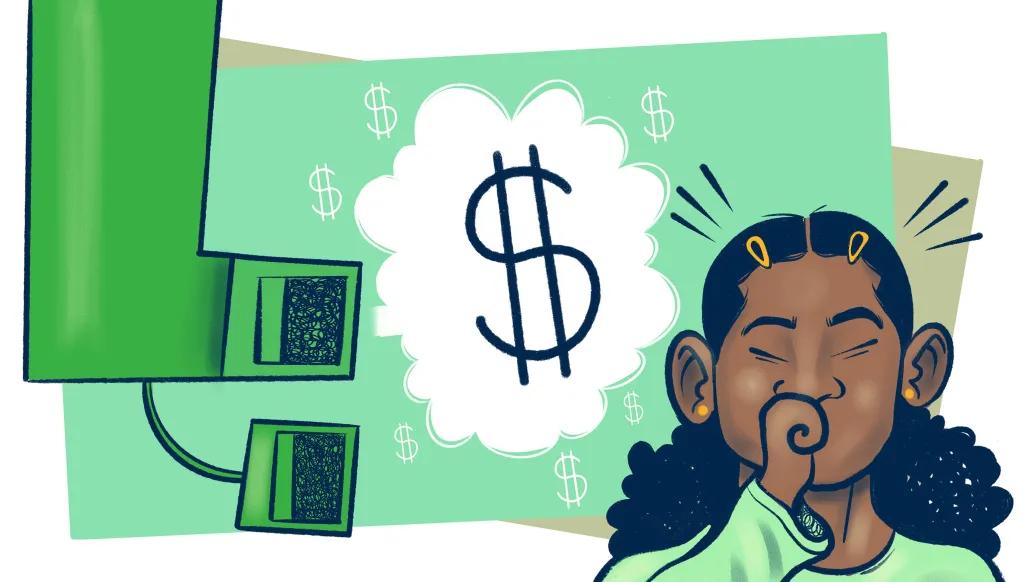
The discontinuation of a popular asthma medication was linked to a higher rate of children stopping inhaled steroid therapy altogether, a study suggests.
In January 2024, a manufacturer stopped producing brand name inhaler Flovent, an inhaled steroid commonly prescribed to prevent asthma attacks in children.
Although the manufacturer continued to market with a chemically identical “authorized generic,” some families reportedly had difficulty obtaining this alternative drug because their plan didn't cover it or required high out-of-pocket costs.
As a potential result, the study suggests, children using Flovent were more likely to completely discontinue using inhaled steroids after Flovent was pulled from the market compared to children using other inhaled steroids.
“Our findings suggest the withdrawal of Flovent disrupted inhaled steroid therapy in children, potentially increasing their risk of asthma attacks,” said lead author Kao Ping Chua, M.D., Ph.D., a pediatrician and researcher at University of Michigan Health C.S. Mott Children's Hospital and the Susan B. Meister Child Health Evaluation and Research Center.
The Michigan Medicine led findings, based on data between 2021 and 2024, were presented at the Pediatric Academic Societies and simultaneously published in JAMA.
Unintended consequences of rebate cap policies
The withdrawal of Flovent was likely prompted by changes to the amount of rebates manufacturers must pay to Medicaid programs to obtain drug coverage, authors say.
Historically, rebates were capped, but the American Rescue Plan Act of 2021 eliminated this cap effective January 2024.
“Our findings suggest the withdrawal of Flovent disrupted inhaled steroid therapy in children, potentially increasing their risk of asthma attacks.”
- Kao Ping Chua, M.D., Ph.D.
For Flovent, the cap elimination would have resulted in rebates exceeding the drug’s sales price because the company had previously raised Flovent’s price rapidly, subjecting them to a rebate that applies when price increases outpace inflation.
“Our findings suggest elimination of the Medicaid rebate cap had unintended consequences for children with asthma,” Chua said.
Chua notes that other brand drugs have also triggered the rebate cap, including medications for diabetes and infections.
“If other brand name drugs are withdrawn due to elimination of the rebate cap, policymakers should proactively implement interventions to prevent therapy disruptions, such as ensuring insurer coverage of alternative drugs,” he said.
Additional authors include Anna Volerman, M.D., of the University of Chicago and Rena Conti, Ph.D., of Boston University.
Study cited: “Changes in inhaled steroid dispensing to children after withdrawal of brand-name fluticasone propionate,” JAMA.
Sign up for Health Lab newsletters today. Get medical tips from top experts and learn about new scientific discoveries every week.
Sign up for the Health Lab Podcast. Add us wherever you listen to your favorite shows.

Health Lab
Explore thousands of health news & research stories by visiting the Health Lab homepage for more.
Media Contact

Public Relations
Department of Communication at Michigan Medicine
In This Story

Kao-Ping Chua, MD, PhD
Associate Professor
Related
The dangerous intestinal disease fatal to premature babies and vulnerable infants
Stay Informed
Want top health & research news weekly? Sign up for Health Lab’s newsletters today!
Featured News & Stories

What’s changing in Medicaid and what can you do?

Study outlines a new framework for direct cell reprogramming

New insight into how lipodystrophy can affect overall health

Nerf gun accident causes retinal detachment in pediatric patient

FDA-approved drug offers hope for patients with polycythemia vera, a rare bone marrow disorder