Cell death in photoreceptor cells is reversible, study finds
Removal of damaged mitochondria can rescue dying photoreceptor cells
11:45 AM
Author |
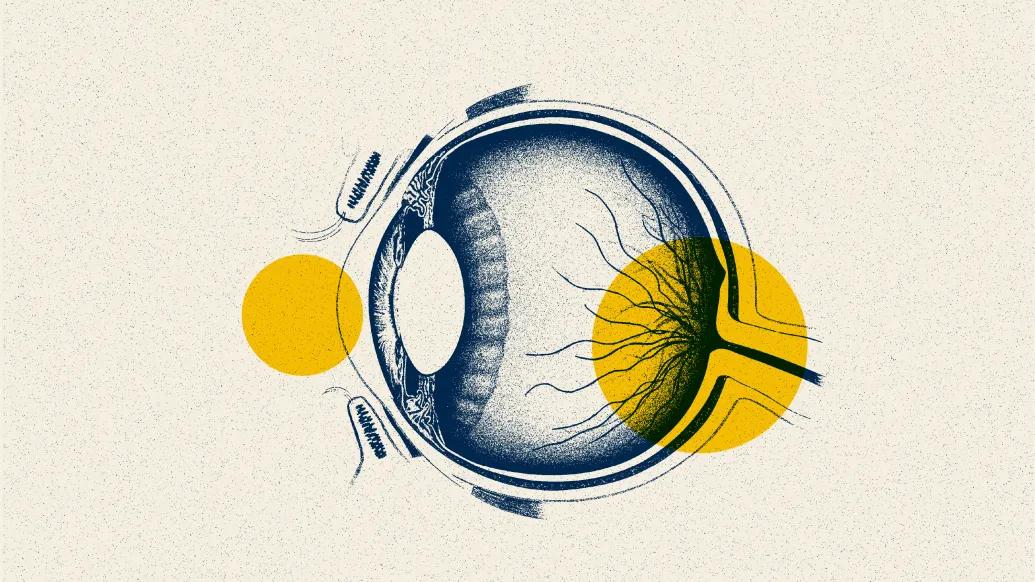
Photoreceptors are specialized cells in the eye that convert light energy into neural signals.
Several diseases that cause irreversible vision loss, including age-related macular degeneration, retinitis pigmentosa and retinal detachment, are associated with dying photoreceptors.
While there are many molecular pathways that result in cell death, there are also many that try to keep the cell alive.
In a new study published in Cell Death & Disease, a team of researchers from the University of Michigan found functional mitochondria are key to the recovery of dying photoreceptor cells.
Apoptosis is the main pathway by which cells die and was traditionally viewed as irreversible.
Researchers have recently found that cells can recover from activation of the apoptotic process if the signal that triggered it is removed.
In the study, the team used mouse cell lines to see if the same results were also seen in photoreceptor cells.
Using chemicals or low oxygen conditions that mimic stressors, they were able to stimulate the cells to undergo apoptosis.
“It’s like having a corroding battery in the cell that is leaking toxins. Mitophagy gets rid of those bad batteries.”
-David Zacks, M.D., Ph.D.
When the researchers removed the stress, regardless of how far the cells had been in the death process, they recovered.
“These results were exciting because even if we can’t cure the underlying disease, we can try to activate those survival pathways and keep cells alive,” said David Zacks, M.D., Ph.D., Professor of Ophthalmology and Visual Sciences and member of the Caswell Diabetes Institute.
Mitochondria, the cell’s batteries, play an important role in apoptosis.
During this process, the formation of dysfunctional mitochondria triggers more pathways that result in cell death.
The researchers found that the mitochondria in mouse cell lines recovered when the apoptotic stress was removed.
This recovery was aided by mitophagy, the process by which cells remove dysfunctional mitochondria.
“It’s like having a corroding battery in the cell that is leaking toxins,” Zacks said.
“Mitophagy gets rid of those bad batteries.”
The researchers saw similar results in mouse models where the photoreceptor cell apoptosis was activated during retinal detachment and reversed upon reattachment.
The team is working on understanding what pathways help the photoreceptor cells recover and which retinal diseases can benefit from the recovery process.
Additional authors: Bhavneet Kaur, Bruna Miglioranza Scavuzzi, Jingyu Yao, Mengling Yang, Lin Jia, Stephen I. Lentz, Jaya Sadda, Andrew J. Kocab and Sumathi Shanmugam.
Funding/disclosures: Zacks was supported by the National Institutes of Health (R01EY020823) and is also a 2025 Alcon Research Institute Senior Investigator Grant Recipient. Scavuzzi was supported by Training Grant T32AR07080 from the National Institute of Arthritis and Musculoskeletal and Skin Diseases.
Tech transfer(s)/Conflict(s) of interest: Zacks is an employee of the University of Michigan and ONL Therapeutics and holds patents through the University of Michigan that are licensed to ONL Therapeutics. Kocab is an employee of ONL Therapeutics.
Michigan Research Core(s): University of Michigan Vision Research Core
Paper cited: “Recovery from apoptosis in photoreceptor cells: A role for mitophagy,” Cell Death & Disease. DOI: 10.1038/s41419-026-08436-3
Sign up for Health Lab newsletters today. Get medical tips from top experts and learn about new scientific discoveries every week.
Sign up for the Health Lab Podcast. Add us wherever you listen to your favorite shows.

Health Lab
Explore thousands of health news & research stories by visiting the Health Lab homepage for more.
Media Contact

Public Relations
Department of Communication at Michigan Medicine
In This Story
David N Zacks
Professor
Related
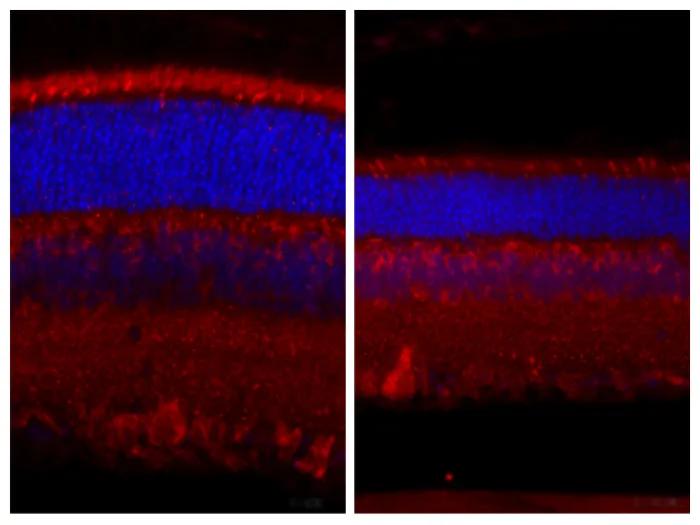
Amino acid glutamine is important for eye health
Retinal Repair Through a Fish-Eye Lens
Stay Informed
Want top health & research news weekly? Sign up for Health Lab’s newsletters today!
Featured News & Stories
Innovative children’s vision research gets a boost from the Knights Templar Eye Foundation

Nerf gun accident causes retinal detachment in pediatric patient

Kellogg care inspires gift to vision research

Mediterranean diet can slow progression of age-related macular degeneration
Patient with retinitis pigmentosa receives new hope at Kellogg’s low vision clinic