Bariatric Patients Provide Perspective on Self-Referral to Emergency Departments
To increase patient satisfaction and lower costs in emergency departments, researchers interviewed former surgical patients who later visited EDs with nonemergent conditions.
8:30 AM
Author |
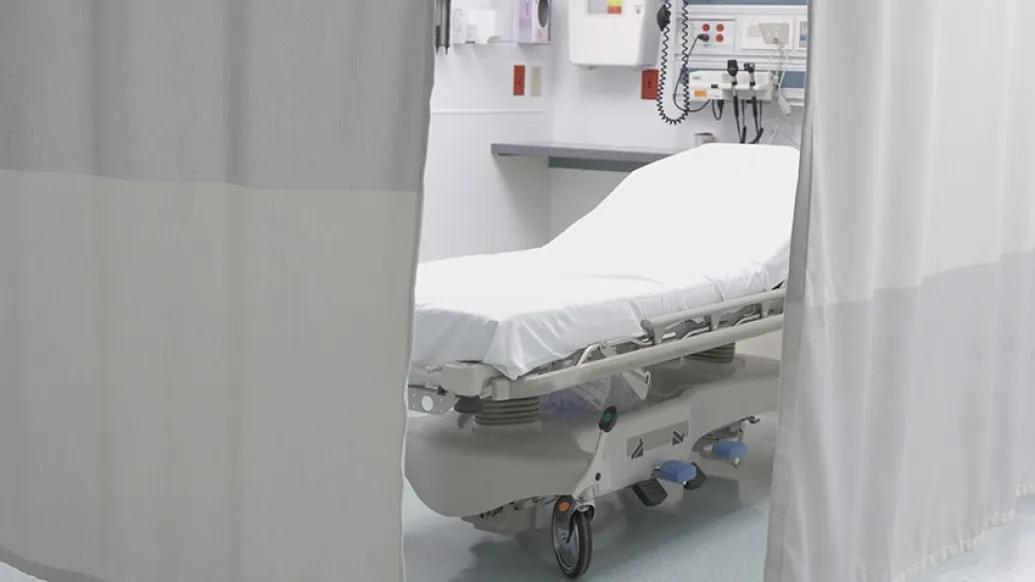
As many as 1 in 10 adults who have bariatric surgery turn up in the emergency department within a month of their hospital stay, a new study finds — a surprisingly high number for a safe procedure.
MORE FROM THE LAB: Subscribe to our weekly newsletter
There was wide variation among hospitals in keeping patients out of the emergency department for symptoms that were not life-threatening and that could be cared for in less expensive settings with shorter waits.
"The emergency department events were not necessarily emergent, and we are looking at ways to bridge that gap," says Haley Stevens, MPH, lead author of the study presented at Obesity Week, the annual meeting of the American Society for Metabolic and Bariatric Surgery.
The study's findings come from 157 patient interviews and questionnaires and data from the Michigan Bariatric Surgery Collaborative (MBSC), a quality improvement program funded by Blue Cross Blue Shield of Michigan that enrolls about 7,000 patents annually into its patient registry. The collaborative involves 40 hospitals and 75 bariatric surgery physicians in Michigan.
"Most studies look at administrative and clinical registry data, but very little research has been done where patients have been asked about their experiences," says Stevens, the quality improvement coordinator in the Department of General Surgery at Michigan Medicine.
Bariatric surgery is considered a safe procedure. Within 30 days of the surgery, less than 3 percent of patients have serious complications. But the visit rate for hospital emergency rooms can be as high as 11 percent with the readmission rate for that group at only 35 percent.
It's estimated that an annual savings of $4.4 billion could be achieved by a 10 to 30 percent reduction of nonurgent visits to emergency departments and by redirecting patients to urgent care centers, clinics or primary care offices.
For insured patients, the average cost of an emergency department visit is $667 and the wait time is usually 2.5 hours. For an urgent care visit, the average cost is $60 and the wait time is typically 60 minutes.
"This is not just about cost savings. We believe that we could improve patient satisfaction so they're not sitting in the emergency department for hours, yet they're still receiving evaluations from health care professionals by using lower-acuity centers," says Stevens. "We're also hoping to save on resources in the emergency departments."
We believe that we could improve patient satisfaction so they're not sitting in the emergency department for hours, yet they're still receiving evaluations from health care professionals by using lower-acuity centers.Haley Stevens, MPH
Assessing decision-making
The research findings showed that many patients had symptoms that were not life-threatening, but they thought that receiving immediate medical care in an ED was unavoidable, says Amir Ghaferi, M.D., M.S., senior author of the study and the director of the MBSC.
SEE ALSO: Probing Problems with Bariatric Surgery: Reoperation, Variation Common
The most common complaints of bariatric patients in EDs included nausea, vomiting, abdominal pain, pain at the site of the incision and dehydration.
"It can be a vicious cycle," says Ghaferi. "A patient's nausea can lead to dehydration that only worsens their nausea and abdominal pain. The cycle can be broken by anti-nausea medications and intravenous fluids to treat the dehydration."
The study also showed a generally high compliance with the recommendations provided in discharge instructions, including directives to call the surgical team if a patient had any concerns.
But the patients interviewed in the study did not call their surgeons, which may signal a need to offer tips about choosing the right care.
"Patients often do what they're told," says Ghaferi. It wasn't clear to what extent patients were directing themselves to EDs or providers were directing patients to EDs.
"From a provider perspective, we've traditionally sent patients to the emergency department, but we haven't been as sensitive to the cost or the potentially negative patient experiences in emergency department visits," says Ghaferi.
Improving patient education
The work's next phase involves a pilot intervention to educate patients. At the time of initial discharge, participating hospitals will give patients a customized plastic wristband embossed with a reminder to continue positive behaviors and a number to call when they're concerned about their symptoms.
Another intervention is a durable wallet card listing positive behaviors to practice. The opposite side of the card will contain a phone number and instructions for ED personnel and health care professionals to contact the patient's surgical team.
"We're hoping that sites will begin distributing the cards and wristbands by mid-November. In one year, we'll look at the outcomes and see if the information was helpful to provide patient reassurance and reduce emergency department visits," says Stevens.
Another phase will be urgent care utilization.
SEE ALSO: Opinion: Lack of Access to Obesity Care Highlights Stigma, Disparity
"Physicians have mixed reactions to urgent care centers, as they're not familiar with the staffing or quality of care," says Ghaferi. "Our goal is to assess the physical and technical availabilities of urgent care centers and promote the use of urgent care for nonemergent problems."
In addition, the researchers will look at urgent care services from the patients' perspective. Some patients do not realize the substantial cost savings and services available.
One of the limitations of the study involved the interviews with patients and recall bias. Some of the interviews were conducted up to 90 days after patients had visited the ED.
Future research may entail exploring the site-specific reasons that patients go to EDs. Those might include the lack of available resources, such as an urgent care in the vicinity, a 24-hour call center to answer patient questions or an infusion center that could provide intravenous fluids to offset dehydration, says Stevens. Also, patients who live out of state may prefer going to a nearby ED.
Stevens suggests that other fields of surgery may be interested in assessing patient satisfaction and reducing costs for hospitals and patients. If so, it's important to consider the patients' perspective in the decision to use ED services, she says.

Health Lab
Explore thousands of health news & research stories by visiting the Health Lab homepage for more.
Media Contact

Public Relations
Department of Communication at Michigan Medicine
Stay Informed
Want top health & research news weekly? Sign up for Health Lab’s newsletters today!
Featured News & Stories

Digital alerts support timely treatment decisions of critically ill cardiac patients

What’s changing in Medicaid and what can you do?

Rabies is on the rise: Experts offer advice

E-Bikes are everywhere, but most parents say they don’t know enough about them
Young father survives aortic dissection after delayed diagnosis