An aspirin a day? Some older adults who take it may be following outdated advice
Poll shows more than half of people age 50 to 80 taking aspirin don’t have cardiovascular disease
8:00 AM
Author |
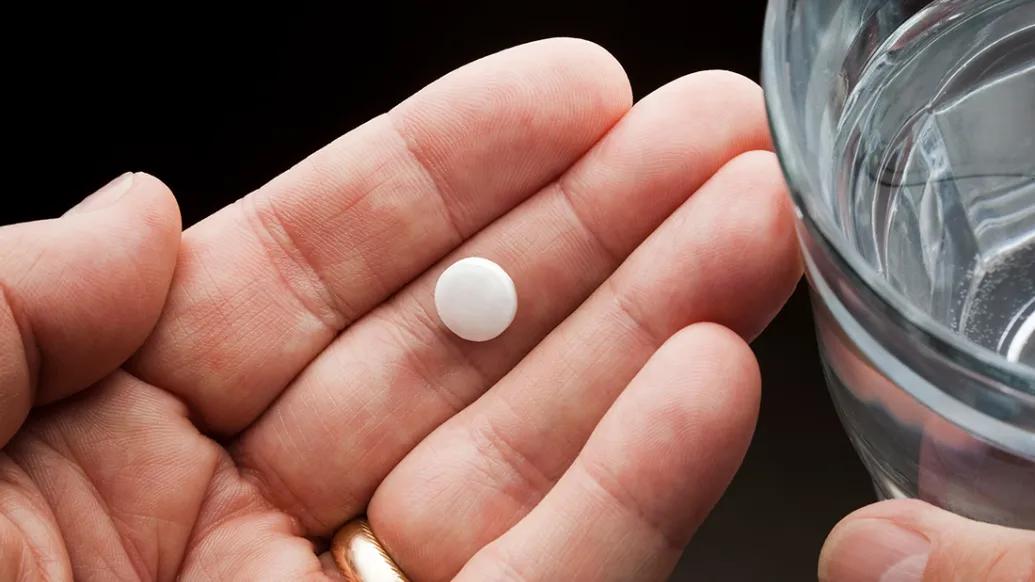
One in four older adults take aspirin at least three times a week, mostly in hopes of preventing heart attacks and strokes, a new poll shows.
But many people aged 50 to 80 who said they take aspirin may not need to, the findings from the University of Michigan National Poll on Healthy Aging suggest.
In all, 57% of people aged 50 to 80 who say they take aspirin regularly also said they don’t have a history of cardiovascular disease. Such people should have a conversation with their health care provider about what’s best for them before stopping or starting aspirin use.
National guidelines have changed in recent years for using aspirin for prevention, because of new knowledge about who gets the most benefit from its ability to reduce the risk of blood clots, and who faces a risk of bleeding.
Now, guidelines mostly focus on aspirin use in those who already have cardiovascular disease – including those who have survived a heart attack or stroke – and those who face a high risk of it because of their personal health and family history.
The poll shows 14% of all adults age 50 to 80 are taking aspirin even though they have no history of cardiovascular issues.
Whether or not someone has a cardiovascular history, aspirin does pose a bleeding risk that increases with age. That has led to guidelines that advise against routine aspirin use after age 70 or suggest that it may be reasonable to consider stopping around age 75, in those without cardiovascular disease.
The poll finds 42% of all adults aged 75 to 80 are taking aspirin. Meanwhile, 31% of all older adults aged 50 to 80 who take aspirin don’t appear to know about the bleeding risk associated with it.
The poll is based at the U-M Institute for Healthcare Policy and Innovation and supported by AARP and Michigan Medicine, U-M’s academic medical center. The poll team asked a national sample of adults aged 50 to 80 about their health history and use of aspirin; those who take it were also asked about why.
“Aspirin is no longer a one-size-fits-all preventive tool for older adults, which for decades it was touted as,” says Jordan Schaefer, M.D., M.Sc., a hematologist at Michigan Medicine who worked with the poll team. “This poll shows we have a long way to go to make sure aspirin use is consistent with current knowledge.”
Adds Geoffrey Barnes, M.D., M.Sc., a Michigan Medicine cardiologist who also worked on the poll, “As guidelines change, it’s important for everyone over 40 to talk with their health care provider about their individual cardiovascular risk based on their family history, past health issues, current medications, recent test results like blood pressure, cholesterol and blood sugar, and lifestyle factors like smoking, physical activity and eating habits. Preventive aspirin use should be based on age plus these factors.”
Updated knowledge and guidance
In all, the poll finds 71% of older adults who take aspirin started four or more years ago, which could mean that they and their health care provider may be basing their use on old advice.
Schaefer and Barnes note that because of continuing research on aspirin, two major guidelines changed in recent years for older adults who don’t have a history of cardiovascular disease. In such people, taking aspirin is called primary prevention.
Aspirin is no longer a one-size-fits-all preventive tool for older adults, which for decades it was touted as."
-- Jordan Schaefer, M.D., M.Sc.
The American College of Cardiology and American Heart Association together say that daily low dose aspirin use might be considered for the prevention of cardiovascular disease for select adults aged 40 to 70 who are at increased risk of cardiovascular disease, but not bleeding, based on a guideline updated in 2019. The U.S. Preventive Services Task Force, which advises the federal government updated its guideline in 2022, and recommends against initiating aspirin for the prevention of cardiovascular disease in adults 60 years or older.
The AHA and ACC offer online calculators to help clinicians estimate a person’s 10-year risk of cardiovascular disease if they don’t already have it. Adults aged 40-70 at higher cardiovascular disease risk may be good candidates for aspirin as primary prevention but should always talk with a health care provider before starting to take it.
Meanwhile, for people who have already had a heart attack, some types of stroke or other cardiovascular diagnoses, the use of aspirin is still generally recommended unless the person is unable to tolerate it or has an unacceptable bleeding risk. This is called secondary prevention and should be done only under the supervision of a health care provider.
More dialogue needed
The poll shows the importance of open communication between health care providers and their older patients about all types of medication and supplements, including those like aspirin that are available over the counter without a prescription.
The poll finds that 96% of those who take aspirin and have a cardiovascular history said their health care provider had recommended it. But 77% of those who take aspirin and have no cardiovascular history said the same – suggesting a need for a discussion about updated guidelines. Also, among those who take aspirin but have no cardiovascular disease history, 20% said they started doing it on their own and 5% said friends and family had advised them.
“Thanks to updated knowledge, and reductions in other major risk factors such as smoking, we can use aspirin more precisely, focusing on those who need this inexpensive and easy to obtain preventive medication most and avoiding unnecessary risks for others,” said poll director Jeffrey Kullgren, M.D., M.P.H., M.S. “These poll findings should spur more conversations between health care providers and patients about what’s right for them.”
Kullgren is a primary care physician at the VA Ann Arbor Healthcare System and associate professor of internal medicine at U-M.
The poll report is based on findings from a nationally representative survey conducted by NORC at the University of Chicago for IHPI and administered online and via phone in July and August 2023 among 2,657 adults aged 50 to 80, with an oversample of non-Hispanic Black and Hispanic populations. The sample was subsequently weighted to reflect the U.S. population. Read past National Poll on Healthy Aging reports and about the poll methodology.
Sign up for Health Lab newsletters today. Get medical tips from top experts and learn about new scientific discoveries every week by subscribing to Health Lab’s two newsletters, Health & Wellness and Research & Innovation.
Sign up for the Health Lab Podcast: Add us on Spotify, Apple Podcasts or wherever you get you listen to your favorite shows.

Health Lab
Explore thousands of health news & research stories by visiting the Health Lab homepage for more.
Media Contact

Public Relations
Department of Communication at Michigan Medicine
Related
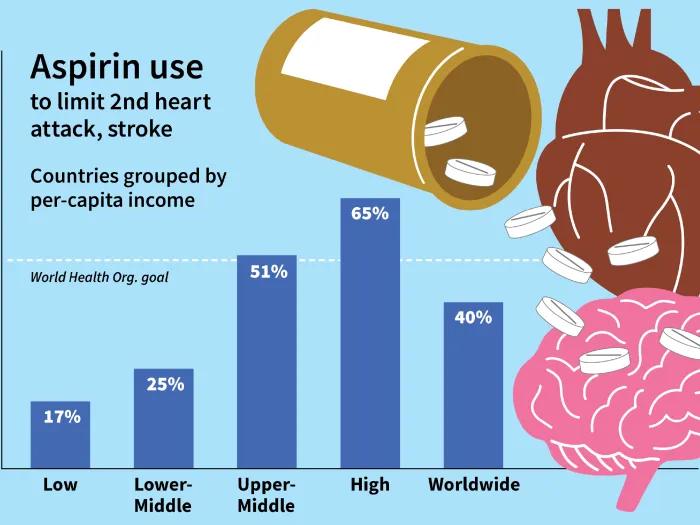
Aspirin can prevent a second heart attack or stroke, but many don’t use it
Stay Informed
Want top health & research news weekly? Sign up for Health Lab’s newsletters today!
Featured News & Stories

C.S. Mott Children’s Hospital first in country to implant expandable heart valve during FDA review phase

How to improve mental health safety on social media – not just for young people
What’s the latest on 7-OH and kratom availability and addiction care?

New drug combination may help treat advanced prostate cancer

College of Pharmacy alum advances U-M Medical School addiction research