Are schools and communities prepared for cardiac emergencies in teens?
Parents support CPR and AED training, but readiness varies, according to national poll
3:38 PM
Author |
Sudden cardiac arrest can happen to anyone, including teens, and a new national poll suggests many schools and families may not be fully prepared to respond.
Only about half of parents say they are aware that their teen’s school has an automated external defibrillator, or AED, on site.
Even fewer know where it is located or feel confident that school staff could use it in an emergency, according to the University of Michigan Health C.S. Mott Children’s Hospital National Poll on Children’s Health.
“Sudden cardiac arrest in young people is rare, but when it happens, the response has to be immediate,” said Sarah Clark, M.P.H., co-director of the Mott Poll.
“Every second matters, and CPR and AED use are critical to survival.”
The nationally representative poll is based on responses from nearly 1,000 parents with at least one child ages 13 to 17, surveyed in August 2025.
Parents aware of the risk, but action lags
Nearly half of parents say they have heard of a child or teen experiencing sudden cardiac arrest, but preparedness seems to lag behind concern.
While more than a third of parents believe all teens should be evaluated for heart disease, only about one in seven say their teen has ever had a heart evaluation, most often during a sports physical.
"Having the pediatrician listen to the teen’s heart and review family history are important first steps,” Clark said.
“But some heart conditions in teens cannot be detected with a stethoscope alone. Teens need to report any symptoms that might indicate a possible heart problem.”
For teens who experience heart palpitations, dizziness or other warning signs, electrocardiograms, commonly called EKGs, can identify certain hidden heart conditions and are recommended by some medical organizations.
While estimates vary, the Centers for Disease Control and Prevention reports that roughly 2,000 young people under age 25 in the United States die each year from sudden cardiac arrest.
AEDs present in schools, but often hard to find
Among parents who say their teen’s school has an AED, only about two in five know where it is located and just over a third feel sure that school staff are trained and ready to use it.
Sudden cardiac arrest in young people is rare, but when it happens, the response has to be immediate. Every second matters, and CPR and AED use are critical to survival.”
-Sarah Clark, M.P.H.
Among parents who don’t know whether their teen’s school has an AED, most say they believe it should.
“Having an AED in a building is not enough,” Clark said. “People need to know where it is and feel confident using it.”
Parents and teens want training and are willing to act
The poll found strong support for CPR and AED training. About four in 10 parents report being trained to use an AED, and nearly nine in 10 say they would be willing to receive free AED training.
Once trained, almost all parents say they would use an AED in an emergency if needed.
Similarly, nearly two-thirds of parents report being CPR certified, and most say they would be willing to receive free CPR training and perform CPR in an emergency if trained.
Fewer teens, however, are receiving training. Only about one in five parents say their teen has CPR training, and just one in 15 say their teen has been trained to use an AED.
Most parents say they would want their teen to provide CPR or use an AED in an emergency. But they also report concerns about teens responding to cardiac emergencies, including fear of emotional distress if the person does not survive, feeling overwhelmed in the moment, legal concerns or worry about doing something wrong.
“Teens can save lives,” Clark said. “With the right training and support, they can act quickly instead of freezing, and greatly improve someone’s chances for survival.”
She added that the findings highlight the importance of programs such as Project ADAM, which works to prevent sudden cardiac death in schools and communities by helping them become Heart Safe.
The program supports schools in developing emergency response plans, training staff and ensuring access to AEDs.
However, most parents support a strategy that goes beyond training of school staff.
“Sudden cardiac arrest can happen any time, including when school staff aren’t onsite,” Clark said.
“Parents overwhelmingly support broader access to training so that students and parent are prepared to save lives when the unexpected happens.”
Sign up for Health Lab newsletters today. Get medical tips from top experts and learn about new scientific discoveries every week.
Sign up for the Health Lab Podcast. Add us wherever you listen to your favorite shows.

Health Lab
Explore thousands of health news & research stories by visiting the Health Lab homepage for more.
Media Contact

Public Relations
Department of Communication at Michigan Medicine
In This Story
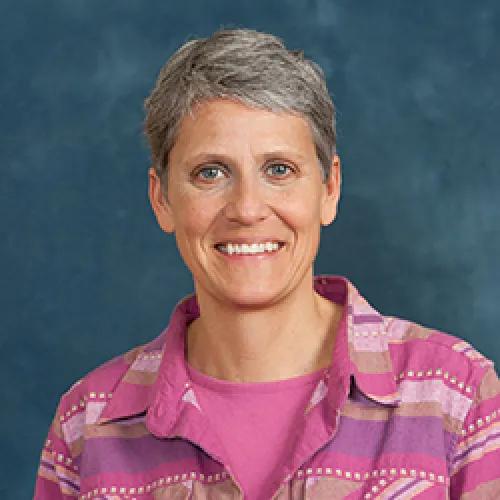
Sarah J Clark
Research Scientist
Related
Most cardiac arrests happen at home. Here’s how to make yours ‘heartsafe’
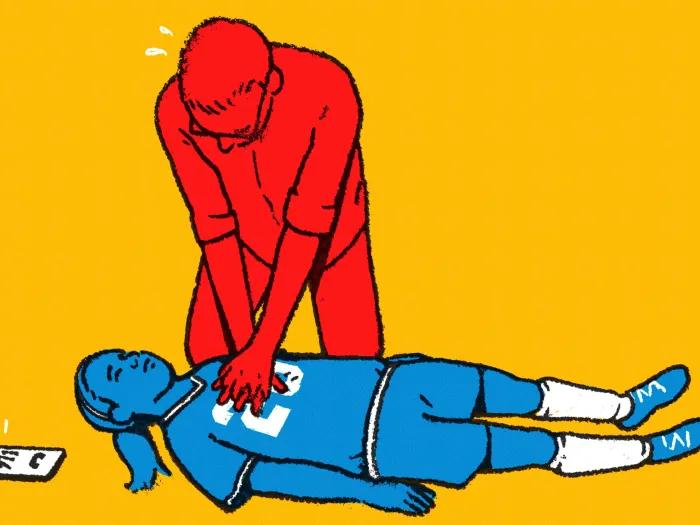
Sudden cardiac arrest in young athletes: 5 things parents should know
Stay Informed
Want top health & research news weekly? Sign up for Health Lab’s newsletters today!
Featured News & Stories
U-M-led consortium to receive up to $52 million in NIH funding to study why viral respiratory infections affect children differently
Gene editing is coming for common diseases. Are we ready?

Many older adults make Medicare decisions quickly and most don’t change plans, poll finds
4 in 5 parents say having a baby is too expensive
What’s the latest on 7-OH and kratom availability and addiction care?