After prostate cancer surgery, 70-year-old track and field athlete takes on international competition
Mark Cwiek recovered in 8 months and received All-American honors for his performance
1:36 PM
Author |
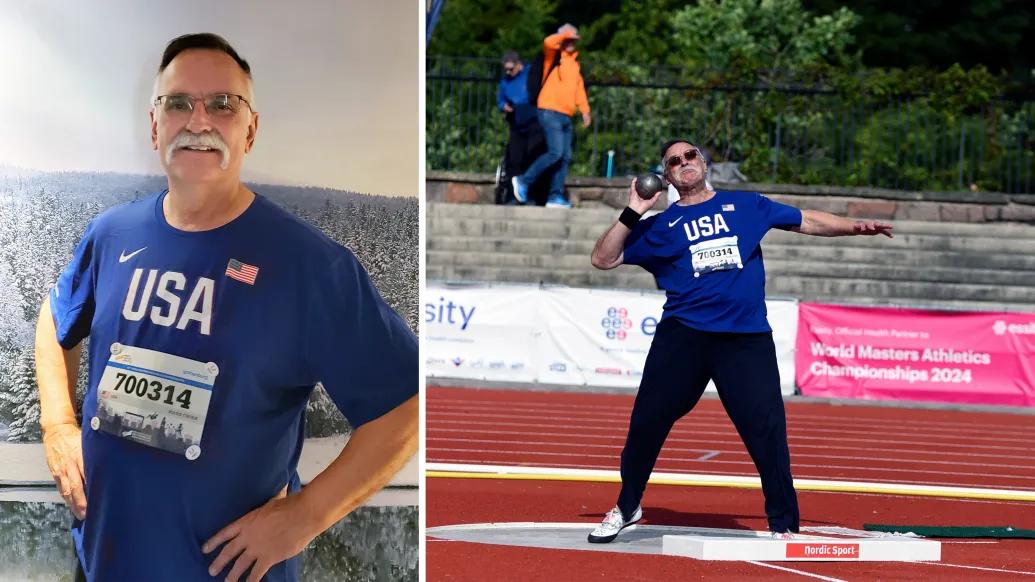
Just eight months after undergoing robotic surgery to remove his cancerous prostate, Mark Cwiek, a 70-year-old track and field athlete, successfully competed in the World Masters Athletics Championship.
Athletes who are above the age of 35 participate in these events.
“I wanted to compete in the World Masters Athletics that was taking place in August 2024 in Sweden,” Cwiek said.
“My goal was to do everything I could to make that happen.”
Cwiek has competed in track and field since high school.
At Wayne State University, he earned NCAA All-American honors and placed fifth nationally in javelin throw.
He has also won the javelin throw at two previous World Masters Athletics Championships.
In September 2023, his training came to an abrupt halt when he was diagnosed with prostate cancer.
The first warning sign was his high levels of prostate-specific antigen, or PSA, which reflect the health of the prostate gland.
“We went to the University of Michigan because of its reputation in cancer treatment and their open disclosure approach, where they communicate openly and honestly with patients,” Cwiek said.
“All of our initial meetings happened online, which saved us a lot of time, and we were able to meet with the entire care team.”
At U-M Health, Cwiek underwent biopsies, MRIs and a state-of-the-art PET scan to accurately locate the affected regions.
We have a team of experts in radiation oncology, pathology, radiology and sexual health. This broad expertise is unique among prostate cancer programs in the country.”
-
“Mark had intermediate-risk prostate cancer. Although it hadn’t spread, it required treatment,” said Todd M. Morgan, M.D., a urological surgeon and Chief of Urologic Oncology at U-M Health.
Cwiek faced two treatment options: radiation or surgery.
The former would have required hormone-blocking medication that could cause him to temporarily lose muscle strength, impacting his ability to compete as an athlete.
Although he would not experience those side effects with surgery, it was not without its own possible downsides.
“One of the potential risks is urinary leakage after the prostate is removed,” Morgan said.
“The sphincter muscle doesn’t work quite as well early on after surgery, which could have posed a problem for Mark when he competed in his events.
In December 2023, Morgan performed a robotic prostatectomy on Cwiek, where he made small incisions in the abdomen to reach the prostate and remove it, along with the attached seminal vesicles.
Morgan was careful about preserving the surrounding nerves, which are important for erectile function.
“Multidisciplinary care played a key role in Mark’s surgery,” said Morgan, who is part of the Weiser Center for Prostate Cancer.
“We have a team of experts in radiation oncology, pathology, radiology and sexual health. This broad expertise is unique among prostate cancer programs in the country.”
After the surgery, Cwiek worked with a physical therapist on strengthening his pelvic floor.
“In the beginning, I had creeping doubts about whether I would be able to compete in a few months. But step by step, it became apparent that I could,” he said.
In August 2024, Cwiek and his wife traveled to Iceland to celebrate their 45th wedding anniversary.
There, he was able to climb a glacier, which served as further encouragement when he went to World Masters Athletics in Sweden a few days later.

He competed in the weight throw event, placing 11th, and had the best toss for the American team at 45.87 feet.
“Watching Mark do so well was worth all the time and energy we devoted to his recovery process,” said Pat Cwiek, his wife.
“We are grateful for our community who prayed for his recovery and helped us get through this challenge.”
Cwiek also competed in the throws pentathlon, in which he placed 12th. Unfortunately, he developed problems in his right knee during the competition.
When he returned home, Cwiek had knee surgery in October 2024 that was facilitated by the Michigan State Sports Medicine program and McLaren Greater Lansing.
“My new goal is to compete at the World Masters Games in South Korea in 2026,” Cwiek said.
“I'm 70 years old, blessed with good health and I’ve gotten through cancer. Why not keep going?”
Sign up for Health Lab newsletters today. Get medical tips from top experts and learn about new scientific discoveries every week.
Sign up for the Health Lab Podcast. Add us wherever you listen to your favorite shows.

Health Lab
Explore thousands of health news & research stories by visiting the Health Lab homepage for more.
Media Contact

Public Relations
Department of Communication at Michigan Medicine
In This Story
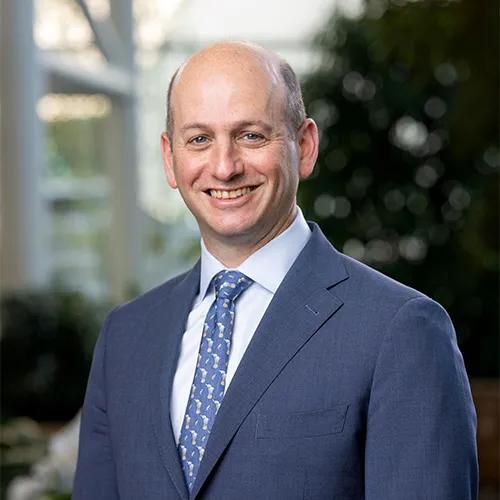
Todd M Morgan, MD
Professor
Related
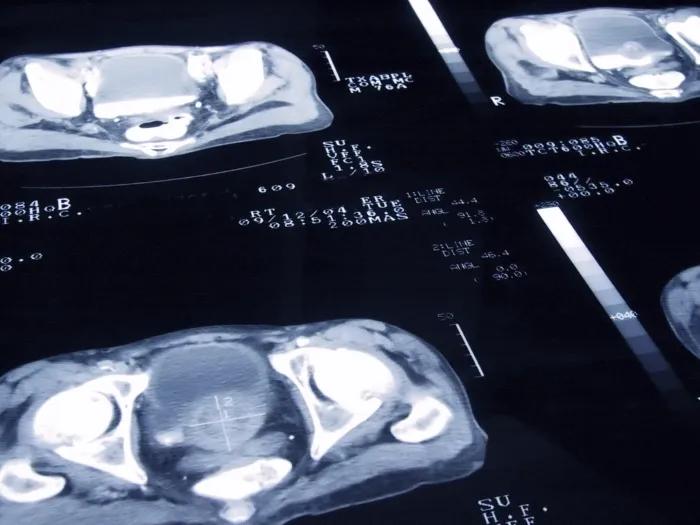
What you need to know about prostate cancer
Urine-based test detects aggressive prostate cancer
Stay Informed
Want top health & research news weekly? Sign up for Health Lab’s newsletters today!
Featured News & Stories
New drug combination may help treat advanced prostate cancer
Long friendship inspires urology resident fund

Researchers create new path to target hard-to-drug prostate cancer protein
Urine-based test detects aggressive prostate cancer

Model predicts long term mortality risk from prostate cancer