Advice from a doctor with heart disease
An oncologist shares his experience and tips after a triple bypass surgery
5:00 AM
Author |

As an oncologist and founding director of the University of Michigan Health Rogel Cancer Center, Max Wicha, M.D., has spent more than 45 years trying to understand cancer and find new ways to treat and prevent it.
His early research first identified the role of stem cells in breast cancer tumors— changing the landscape of how cancers are identified and characterized.
While making key discoveries about how to attack one disease, Wicha, 76, says he paid little attention to another.
“I thought I was in really excellent health,” he said.
“For 30 years, I didn’t miss a day of work. Although I had a long family history of heart disease, I was vigilant about my health and never had any cardiac symptoms. I watched my diet and went for a daily morning run.”

On a family trip in northern Michigan in the summer of 2017, when hiking at Sleeping Bear Dunes Wicha suddenly felt dizzy and lightheaded.
He went to his primary care physician who ordered a cardiac calcium scan.
The results prompted an urgent referral to Kim Eagle M.D., a director of U-M Frankel Cardiovascular Center.
Wicha had blockages in three blood vessels including his left anterior descending artery, which supplies the most blood to the heart.
“Having disease in all three major arteries is considered a very advanced stage of coronary heart disease,” Eagle said.
“We reached out immediately to get Dr. Wicha on track for bypass surgery, which can greatly improve both symptoms and survival.”
Wicha underwent a successful triple bypass surgery followed by a cardiac rehabilitation program.
Under Eagle’s care, he has significantly increased his exercise and control of both his cholesterol and blood pressure.
Based on that experience, below Wicha shares some of his essential tips about heart disease.
Pay attention to your family history
Wicha: I knew my family history was bad. My father died suddenly of heart disease at 50 years old when I was very young, and many other men on his side died of heart conditions.
Still, I did not think to start early surveillance for heart disease.
At the time, routine calcium scans were not recommended and if I knew I had coronary artery disease I could have taken corrective action sooner.
My son and daughter, now in their early forties, are diligent about their heart health.
If your provider knows your history, it can clue them in on how your genetics may play a role in your risk for common cardiovascular conditions.
Having a family history does not guarantee that you yourself will develop heart disease, but it can help you be more aggressive about prevention and attacking the risk factors you can control.
Diagnose and treat conditions early
Wicha: Whether you have a family history of heart disease or not, treating conditions that increase the risk of heart attack and other major cardiovascular events is essential.
After my bypass surgery, my providers put me on rigorous cholesterol lowering drugs, including statins, and medications to reduce my blood pressure.
Nearly half of all adults in the U.S. have high blood pressure and millions are not taking medication when they should. The same goes for people with high cholesterol.
And with a family history, the risk for those conditions can be even higher.
The way providers address preventive medicine has served as a model for other specialties. Take the simple step of connecting with your primary care provider or cardiologist to assess whether you need any of these medications.
Exercise and diet: don’t delay lifestyle changes
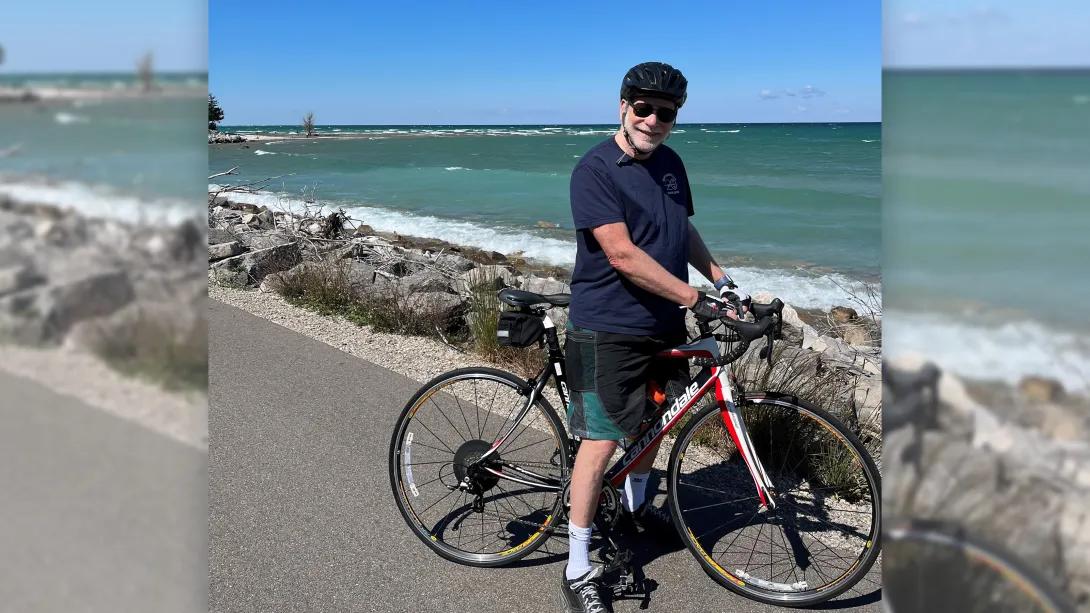
Wicha: Since my surgery, I have significantly increased my exercise.
I walk a couple of miles every day, am on the elliptical or Peloton for 45 minutes five times per week and do strength training and Pilates twice a week.
I feel much stronger than I did before my bypass.
When I said I would have done things differently, a more comprehensive exercise program is at the top of the list.
A healthy diet is important not just for cardiovascular risk but to reduce the risk of many diseases, including diabetes and cancer.
As an oncologist, I see a lot of people who did not get to do all the things they wanted to do in life before they were diagnosed with a serious disease.
It’s taught me that life is finite and not to delay making changes.
Find an advocate to help you through the health care system
Wicha: During my heart surgery, it was interesting seeing things from the other side.
I found it a bit easier to navigate the system, but most people do not have experience in health care.
For that reason, it can be beneficial to have a health care companion who can advocate for you along your journey.
This person, often a family member or close friend, could support you by asking questions, taking notes, offering emotional support and potentially transportation.
A cardiovascular event or condition can feel like a lot, and it’s not something people have to go through alone.
Some health systems, including the Frankel Cardiovascular, also have patient family life specialists who can provide this type of support.
I am truly grateful to the teams at the cardiovascular center for providing such outstanding care.
Sign up for Health Lab newsletters today. Get medical tips from top experts and learn about new scientific discoveries every week.
Sign up for the Health Lab Podcast. Add us wherever you listen to your favorite shows.

Health Lab
Explore thousands of health news & research stories by visiting the Health Lab homepage for more.
Media Contact

Public Relations
Department of Communication at Michigan Medicine
Stay Informed
Want top health & research news weekly? Sign up for Health Lab’s newsletters today!
Featured News & Stories
Jalen Hurts’ blood clot diagnosis: doctors answer common questions

Could a diabetes medication be the next wonder drug?

Gene editing is coming for common diseases. Are we ready?
4 in 5 parents say having a baby is too expensive

Digital alerts support timely treatment decisions of critically ill cardiac patients