Active surveillance helps men avoid unnecessary surgery for prostate cancer
Close monitoring without immediate treatment is effective for low risk patients
5:00 AM
Authors |
About one in eight men in the United States are diagnosed with prostate cancer during their lifetime.
However, each man’s risk can vary based on age, race, family history and lifestyle.
For many men with early-stage prostate cancer, the risks associated with treatment can outweigh the benefits.
Active surveillance, which involves closely monitoring the cancer’s progress and avoiding treatment until it is necessary, is being increasingly adopted for patients with low grade cancers.
Recently, Active Surveillance Patients International, a non-profit organization, honored Todd M. Morgan, M.D., a urological surgeon and chief of urologic oncology at University of Michigan Health.
Morgan was presented with a patient advocacy award for his work in promoting active surveillance as the preferred management method for patients with low grade prostate cancer.
Here, he answers questions about the different stages of prostate cancer, when active surveillance is preferred and why surgical interventions can be harmful.
What are the treatment options available for prostate cancer?
Morgan: Active surveillance, surgery to remove the prostate, and radiation are the three cornerstones of prostate cancer management.
When a patient comes into the clinic with a new diagnosis, we look at their risk group, overall health and treatment preferences.
The risk group classification refers to the risk of recurrence, metastasis or death from prostate cancer.
This depends primarily on their Gleason score, which is assessed by looking at a biopsy sample and determining how aggressive the cancer is.
Patients with low risk cancer are going to be best served by active surveillance.
Those with intermediate risk cancer can often use any of the three management options.
Patients who are at a high risk of recurrence often require a combination of treatments, such as surgery, radiation and/or hormone therapy since these cancers are the most likely to return and potentially spread, requiring intensive treatment.
What does active surveillance mean?
Morgan: When a patient chooses active surveillance, we follow their cancer closely for pretty much the rest of their lives.
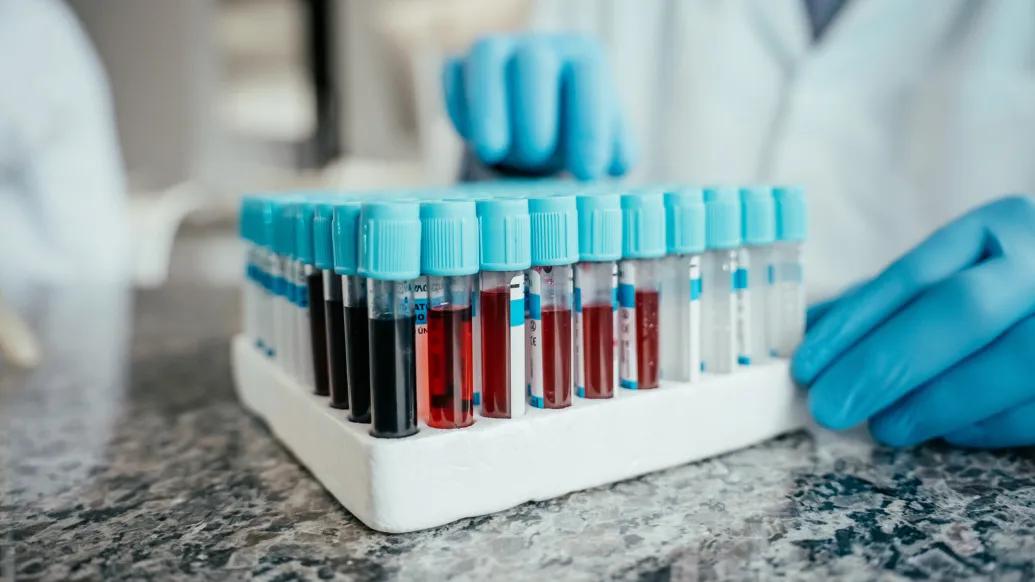
It consists of monitoring prostate-specific antigen levels, or PSA, every 6 months, periodic MRI tests and occasional prostate needle biopsies.
Surveillance acknowledges that this is a cancer that poses no risk at this point. We aren't going to forget about it and instead we will follow it closely.
If the cancer stays the same, we will never need to treat it.
On the other hand, if it does change over time, we're going to use one of our excellent treatment options.
Why would a patient choose active surveillance over surgery?
Morgan: Although cancer is scary, it is different in each patient.
If there were treatments that had no downsides, this wouldn’t be an issue.
However, the prostate is next to the bladder, urinary sphincter, rectum and the nerves that control erectile function.
Even the best treatments have potential side effects, including issues with urinary leakage, urinary urgency and erectile dysfunction.
These downsides can be avoided with active surveillance in low-risk prostate cancer, which is why it has become the unquestionable standard of care for such cases.
Though currently 40-50% of patients who start on surveillance eventually undergo treatment, we expect this to gradually decrease over time as we understand the biology of individual prostate cancers even better than we do now.
Even if we’re only delaying treatment for five to ten years, there are real advantages in terms of quality of life.
Are there any resources for patients who choose active surveillance?
Morgan: As physicians, we can provide one perspective.
When I'm discussing the rationale for active surveillance to a patient, I also encourage them to seek out patient support groups and talk to other patients.
That perspective is more effective than what I can facilitate.
For example, Active Surveillance Patients International is a patient community that provides education and support for other patients who are going through a new diagnosis of prostate cancer, or who are on active surveillance and are looking for resources.
Additionally, through the Weiser Center for Prostate Cancer here, we have trained peer mentors who provide a unique vantage point for a patient dealing with a new prostate cancer diagnosis.
Sign up for Health Lab newsletters today. Get medical tips from top experts and learn about new scientific discoveries every week.
Sign up for the Health Lab Podcast. Add us wherever you listen to your favorite shows.

Health Lab
Explore thousands of health news & research stories by visiting the Health Lab homepage for more.
Media Contact

Public Relations
Department of Communication at Michigan Medicine
In This Story

Todd M Morgan, MD
Professor
Stay Informed
Want top health & research news weekly? Sign up for Health Lab’s newsletters today!
Featured News & Stories

Researchers create new path to target hard-to-drug prostate cancer protein

Model predicts long term mortality risk from prostate cancer

Study identifies key features of cancer cell response and resistance to treatment

Evolving causes, diagnosis of drug-induced liver injury

What’s the latest on 7-OH and kratom availability and addiction care?