85% of Mexican Americans with dementia unaware of diagnosis, outpacing overall rate
Physicians may not be sharing the diagnosis promptly, if at all
3:00 PM
Author |
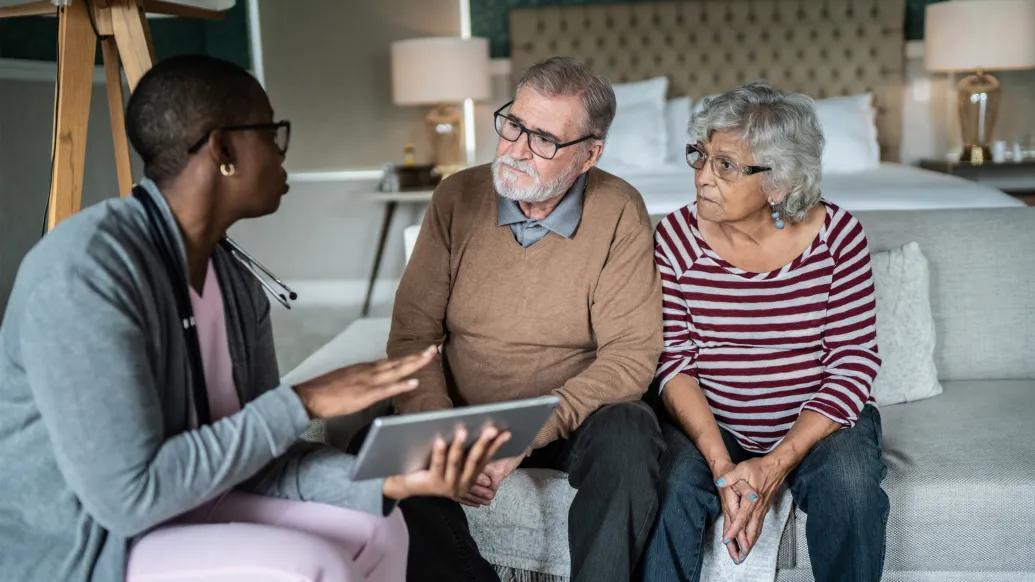
More than three-quarters of older adults with dementia may be unaware of their diagnosis, a University of Michigan study finds.
That number is even higher — up to 85% — among Mexican Americans, who make up the largest share of the U.S. Hispanic and Latino population.
Fewer than 7% of all study participants, who live in Nueces County, Texas and were classified as having probable dementia based on a cognitive assessment, did not have a primary care provider.
The results are published in the Journal of General Internal Medicine.
“Dementia diagnosis unawareness is a public health issue that must be addressed,” said senior author Lewis Morgenstern, M.D., professor of neurology, neurosurgery and emergency medicine at University of Michigan Medical School and professor of epidemiology at the U-M School of Public Health.
“The diagnosis of dementia provides the opportunity to seek out treatment and home care services to help both patients and caregivers. If the diagnosis is not given, or the understanding of the diagnosis is unclear, it is a missed opportunity.”
Investigators found no link between access to primary care and awareness of dementia diagnosis. In other words, they weren't in the dark about their diagnosis for lack of communication with their doctor.
In fact, researchers suspect that the nature of patient-physician relationships is a central reason the awareness gap.
“The physician may not be diagnosing the patient or may be withholding the diagnosis of dementia,” said first author Josh Martins-Caulfield, a graduate of the U-M School of Public Health and medical student at the Icahn School of Medicine at Mount Sinai.
“In practice, physicians often hesitate to diagnose dementia, citing reasons such as insufficient time with individual patients to conduct the screening process or not having dementia-specific training. The discomfort of providing the diagnosis may also lead them to wait for patients or family members to raise concerns about memory issues rather than initiating discussions proactively.”
Several studies have found that the majority of older adults in the United States with probable dementia go either undiagnosed or are unaware of a diagnosis.
One 2018 report revealed that Hispanic and Latino adults were more likely to be undiagnosed.
“Cultural competence is crucial in treating all patients, especially when dealing with a heavily stigmatized disease,” Morgenstern said.
Despite the lack of dementia awareness found in the study, having a formal diagnosis did not reduce a caregiver’s perceived burden.
This could be, researchers suggest, because the diagnosis forces caregivers to quickly confront the increased responsibilities that come with the diagnosis of dementia in a loved one, including decision making and managing daily care.
“Caregiving can be immensely taxing, particularly when balancing one’s own family responsibilities and personal life,” said Darin B. Zahuranec, M.D., M.S., co-author and a professor of neurology at U-M Medical School.
“Effective care necessitates accurate diagnosis combined with comprehensive emotional support and guidance for caregivers to access essential resources.”
Additional authors: Roshanak Mehdipanah, Ph.D., Emily M. Briceño, Ph.D., Wen Chang, M.S., Steven G. Heeringa, Ph.D., Kenneth M. Langa, M.D., Ph.D., Darin B. Zahuranec, M.D. and Nelda Garcia, all of University of Michigan, and Xavier F. Gonzales, Ph.D., of Texas A&M University, Corpus Christi.
Funding/disclosures: This study was funded by the National Institute of Neurological Disorders and Stroke (R01NS100687) and National Institute on Aging (R01AG069148), both of the National Institutes of Health.
Paper cited: “Dementia diagnosis unawareness and caregiver burden in a multi-ethnic cohort,” Journal of General Internal Medicine. DOI: 10.1007/s11606-024-09333-1
Sign up for Health Lab newsletters today. Get medical tips from top experts and learn about new scientific discoveries every week.
Sign up for the Health Lab Podcast. Add us wherever you listen to your favorite shows.

Health Lab
Explore thousands of health news & research stories by visiting the Health Lab homepage for more.
Media Contact

Public Relations
Department of Communication at Michigan Medicine
In This Story
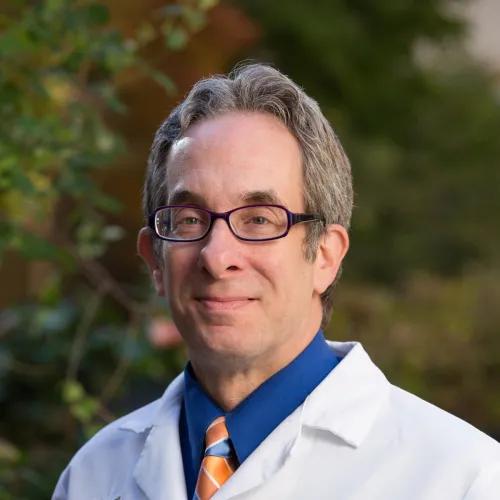
Lewis B Morgenstern
Professor

Darin B Zahuranec, MD, MS
Professor
Related
Sleep apnea contributes to dementia in older adults, especially women
Brain network study reveals clues about dementia’s behavior changes
Stay Informed
Want top health & research news weekly? Sign up for Health Lab’s newsletters today!
Featured News & Stories

What’s changing in Medicaid and what can you do?
Nerf gun accident causes retinal detachment in pediatric patient
Michigan Alzheimer's Disease Research Center receives $22M to advance efforts statewide

Rabies is on the rise: Experts offer advice

E-Bikes are everywhere, but most parents say they don’t know enough about them