
5 Need-to-Know Tips to Spot Skin Cancer
Simple strategies to detect and prevent the condition, which is the most common form of cancer.
6:05 PM
Author |
University of Michigan Health System offers advice on how to prevent skin cancer. 1 in 5 people get some form of skin cancer, learn how to prevent melanoma.

Health Lab
Explore thousands of health news & research stories by visiting the Health Lab homepage for more.
Media Contact

Public Relations
Department of Communication at Michigan Medicine
Stay Informed
Want top health & research news weekly? Sign up for Health Lab’s newsletters today!
Featured News & Stories
Health Lab
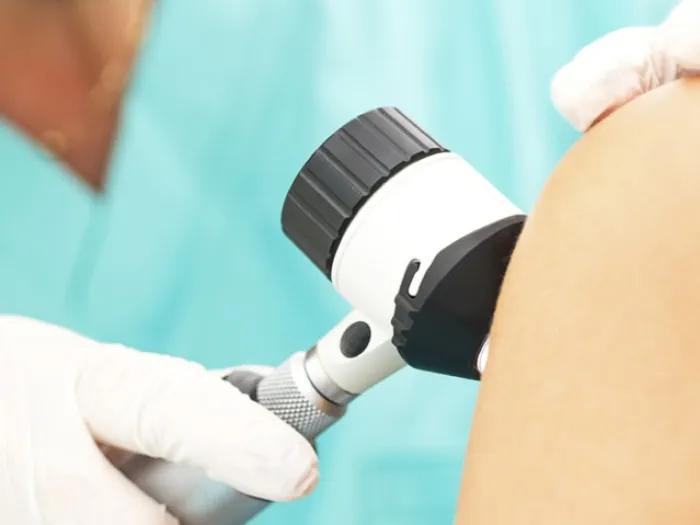
4 ways to check your moles for skin cancer
University of Michigan dermatologist explains how to recognize atypical moles. She also shares skin cancer symptoms and how to check yourself for skin cancer.

Health Lab
Clearing Up Myths About Skin Cancer in People of Color
Michigan Medicine dermatologist sets the record straight on common myths about skin cancer and people of color, urging everyone to get regular skin cancer screenings.

Health Lab
Don’t Get Burned by These 8 Sunscreen Mistakes
Avoid common sunscreen mistakes with these 8 tips for properly using sunscreen, including how to pick an SPF, when to apply it and how much sunblock to use.
Health Lab
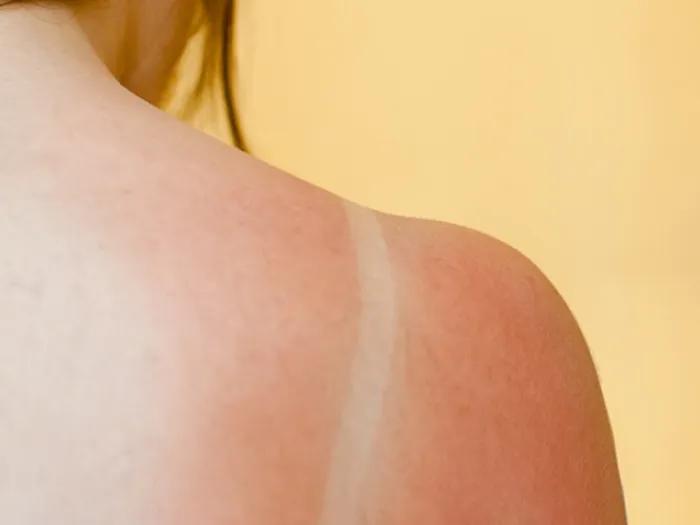
7 Steps to Soothe Sunburn Symptoms
In need of a sunburn treatment? Follow our 6-step infographic on getting sunburn relief. The first step is getting out of the sun. See the next steps.

Health Lab
4 in 5 parents say having a baby is too expensive
Four in five parents say it costs too much to have a baby, according to the University of Michigan Health C.S. Mott Children’s Hospital National Poll on Children’s Health.

Health Lab
A metabolic “switch” that could help reset scar-producing cells in scleroderma
Researchers at University of Michigan Health and collaborating institutions have identified a metabolic enzyme that may offer a fundamentally new way to attack one of the most difficult-to-treat features of systemic sclerosis, or scleroderma: progressive and potentially life threatening tissue scarring.
