What Happens to Your Feet During Pregnancy?
Being pregnant changes your body, with your feet being no exception.
Transcript
Host (00:01):
Welcome to the Michigan Medicine News Break, your destination for news and stories about the future of healthcare. Today six things to know about your feet during pregnancy. Being pregnant changes your body and your feet are no exception. Pregnancies can come with a list of side effects ranging from nausea and back aches to swelling of the feet and lower limbs. Though not referenced as often as other symptoms, up to 80% of healthy pregnant people go through edema, which is swelling caused by excess fluid trapped in the body's tissues. Here, Rebecca Burmeister, a podiatrist at Michigan Medicine, the University of Michigan's Academic Medical Center, dives into the various changes your feet may experience during pregnancy.
(00:38):
Number one, you may have less arch support. During pregnancy hormone changes are often the root of many other body changes. Since hormones circulate the entire body, their impact can reach anywhere in the body. According to Burmeister two hormones that are usually in our bodies, but heightened when pregnant, are relaxins and progesterones. "They both have an effect on relaxing your muscles and allowing your ligaments to have more stretch or flexibility to them," she says. "It is especially important for the pelvic region to have flexibility during the actual birthing process, which is one of the main reasons these hormones increase during pregnancy. However, these two hormones can cause any ligament in the body to have maybe too much flexibility." In fact, according to Burmeister, some studies have seen relaxin increase tenfold for pregnant women, which naturally leads to looser ligaments called ligament laxity. This means that for feet there's less arch support. "Also, the increase in weight during a pregnancy exacerbates the pressure on these looser structures of the feet, which can cause various types of pain and problems to the feet, such as muscle or tendon strains and planter fasciitis," said Burmeister. With all these factors combined, your foot may become wider, especially near the ball of the foot and toes. You may also find yourself needing to buy a larger pair of shoes, with the widening and lengthening effects during those nine months becoming a permanent change after pregnancy.
(01:57):
Number two, your walk could change. Some studies have also found that the gait, the way you walk, can change throughout pregnancy. To support a growing abdomen, your spine and pelvis may begin to curve inward, leading to a leaned back posture. The change in your center of gravity, gradually shifting the weight towards the heel of the foot to compensate, can also lead to a "waddling gait" which is very normal among people who are pregnant."
(02:21):
Number three, ingrown toenails become more dangerous. An urgent issue that can arise from foot swelling are ingrown toenails. While increasingly soft tissues on the side of the toenails or the nail itself are common during pregnancies, for some people, the combination of soft tissues and changing toenails can lead to painful ingrowns. Those nails are prone to infection, entailing, redness, swelling, warmth, drainage, and sometimes even pus drainage, on top of pain. It's important to see a doctor immediately in that situation since it can require a small, sterile procedure in a clinic or antibiotic to remove the ingrown parts and fully treat the infection.
(02:56):
Number four, edema is to be expected, but can be managed. Edema is when fluid is trapped in your body's tissues, causing swelling, often in your legs, ankles, and feet, but other bodily parts can also experience this. Burmeister says a lower sodium diet, compression socks, elevation, and hydration are key to warding off this issue or keeping it at bay. If you can't put compression socks on yourself, depending on the term you're in, ask a family member or friend to help. There are also devices called sock donners that you can purchase to help with this, explains Burmeister.
(03:29):
Number five, your feet will change post pregnancy. It's no surprise that swelling feet during a pregnancy may mean a larger shoe size, but what about after pregnancy? Changes to the feet that happened during pregnancy, including a longer or wider foot structure, tend to be a lasting change according to Burmeister. Multiple pregnancies can lead to multiple changes in your feet, with studies suggesting that the most significant foot changes occur during the first pregnancy. Burmeister says, "The changes are unique for each woman and each pregnancy." When picking new shoes, Burmeister says to stick to this test. When you're buying shoes, stand up in them. While standing there should be a thumbs with space between the longest toe and the tip of the shoe. Don't rely on your regular shoe size, she expresses, as sizes vary by brand, but that spacing technique will be a consistent measurement.
(04:16):
And last but not least, number six, persistent foot pain during pregnancy isn't normal. If your leg and foot swelling is preventing you from living a healthy and active lifestyle during your pregnancy, Burmeister says to speak with your doctor as there are often non-invasive treatments that can alleviate issues. No matter what's causing the pain, if it persists, "It's always a good idea to talk with your doctor." If it becomes difficult to see your own feet as your belly grows, have someone routinely check them if you can't easily reach or examine them yourself. And the simplest piece of advice to remember, don't ignore your feet.
(04:49):
For more on this story and others like it, visit uofmhealth.org/healthblogs and you can subscribe to the Michigan Medicine News Break wherever you listen to podcasts.

Health Lab Podcast
Listen to more Health Lab podcasts - a part of the Michigan Medicine Podcast Network.
Related
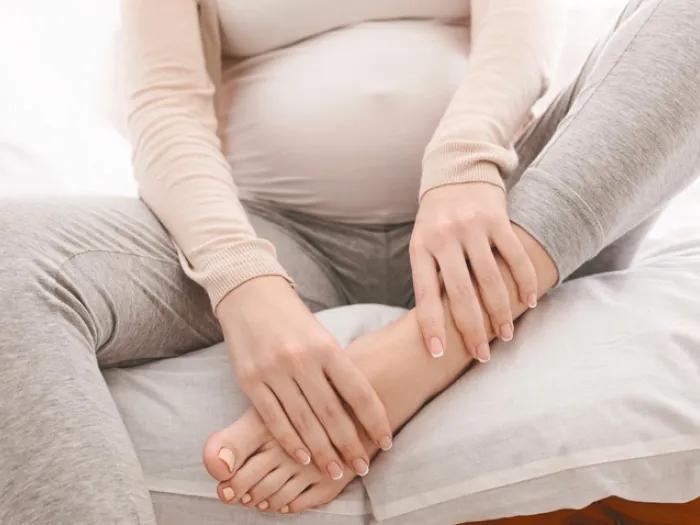
6 things to know about your feet during pregnancy
Featured News & Stories
A tragedy and a trial shine a spotlight on new moms’ mental health
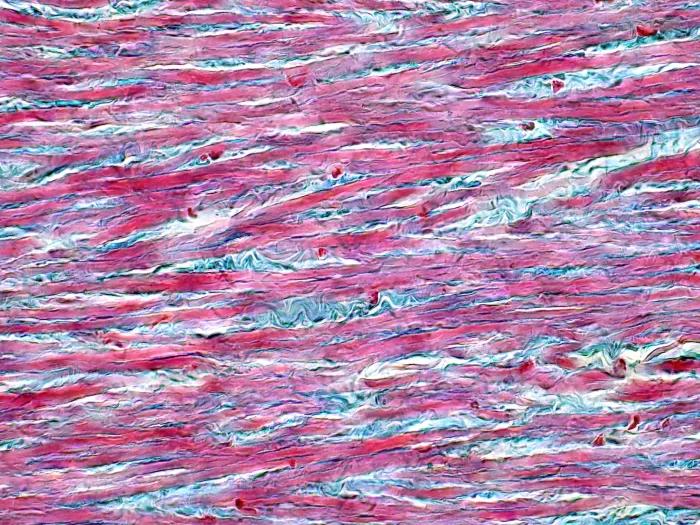
Why tendons heal so poorly and how researchers hope to fix them

Navigating Perimenopause and Menopause
Rx Kids linked to reductions in preterm births and low birthweights, fewer NICU admissions
Could preeclampsia become a thing of the past?