Studying The Relationship Between Pickle Juice & Muscle Cramps
Liver experts examine the effects of pickle juice on both muscle cramping and quality of life.
Transcript
Host:
Welcome to the Michigan Medicine News Break, your destination for news and stories about the future of healthcare.
Today: Can pickle juice reduce cirrhotic muscle cramping?
Liver experts examine the effects of pickle juice on both muscle cramping and quality of life.
Cirrhosis, or chronic liver damage that is often caused by severe alcohol abuse, can be deadly. It is also riddled with intense symptoms that can impact the quality of life for those living with the condition.
“Patients with cirrhosis experience a multitude of challenges, like poor sleep patterns, frailty and muscle cramps,” said Elliot Tapper, M.D., a hepatologist and associate professor of internal medicine at Michigan Medicine. “And even though they are suffering, patients don’t always tell their providers that they’re experiencing muscle cramps.”
Notably, two out of every three individuals with cirrhosis experience muscle cramps of some kind, irrespective of their disease severity.
“We surveyed hundreds of people with cirrhosis. We found, compared to other cirrhosis-related symptoms, that muscle cramps had the highest impact on their daily quality of life,” said Tapper. “This is worrisome, given that cramps can cause pain, interfere with sleep and significantly limit one’s mobility.”
Tapper notes that treatments for cramps are “extremely limited,” which is why he and a team of fellow experts decided to examine the effects of consuming pickle juice when it comes to improving cirrhotic cramps. Their research was recently published in The American Journal of Gastroenterology.
“In previous studies, just one tablespoon of pickle juice has been shown to stop experimentally-induced cramps pretty effectively,” said Tapper. “It’s the acid in the brine that triggers nerves in the back of the throat, which then turns the cramp off. So, it made sense for us to explore this new angle of cirrhotic cramps.”
A total of 82 patients with cirrhosis were enrolled in the team’s study. And everyone involved reported experiencing significant muscle cramps more than four times in the prior month.
During the 28-day period, patients were randomly selected to either join the pickle juice group or the control group, which took sips of tap water.
“Individuals in the tap water arm were instructed to use tap water during the study, while individuals within the pickle juice arm were asked to purchase jars of pickles of their choice. As long as they were dill or kosher pickles – not sweetened and/or bread-and-butter,” said Tapper.
The patients were then asked to record the time, location and duration of their muscle cramps within the study window. They were also instructed to drink one tablespoon of pickle juice or one small sip of tap water when their cramping episodes began.
“We also conducted follow up assessments with our patients, in which a text service sent them automated messages on a pre-set schedule to determine cramp frequency and severity,” said Tapper. “This method also assessed how frequently they were consuming tap water or pickle juice, per the study’s guidelines.”
The team found that pickle juice beat out tap water by reducing the severity of muscle cramps.
“More patients in the pickle juice arm reported that their cramps were stopped by the intervention – 69% compared to 40% in the tap water arm,” said Tapper. “But the pickle juice didn’t improve overall quality of life, maybe because it couldn’t prevent the cramps.”
Tapper notes that when compared to other existing therapies for muscle cramps, pickle juice is a “low-cost, widely available and safe first-line therapy for cirrhotic cramping.”
“If there is any takeaway from this study, I want people to know that muscle cramps are quite common and patients with cirrhosis have multiple unmet needs that are unnecessarily diminishing their quality of life,” said Tapper. “These findings excite me because we have something simple here that might help. Hope is out there.”
For more on this story and others like it, visit michiganmedicine.org/health-lab

Health Lab Podcast
Listen to more Health Lab podcasts - a part of the Michigan Medicine Podcast Network.
Related
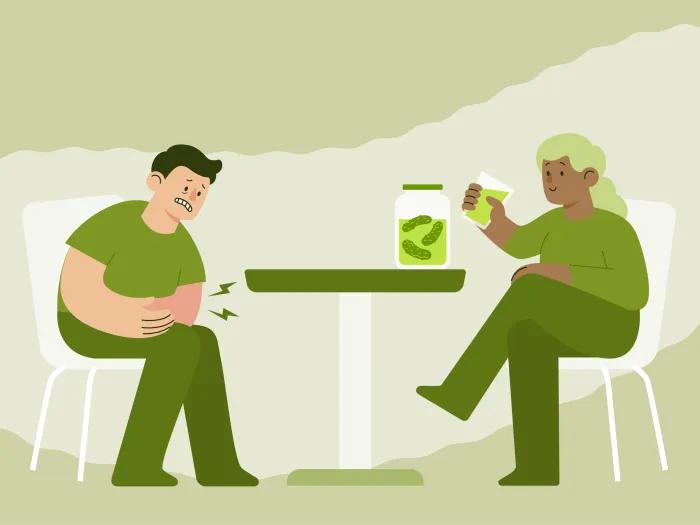
Can pickle juice reduce cirrhotic muscle cramping?
Featured News & Stories

Liver cancer can be preventable. Do you know the treatable risk factors?

AI, Well-Being and the Human Connection
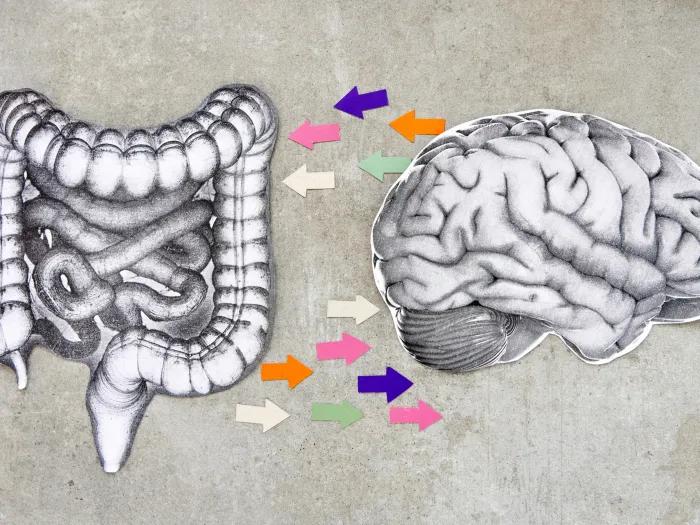
Identifying avoidant, restrictive food intake disorder in gastroenterology patients

The Care Ecosystem: Supporting People Living with Dementia and Their Families
As probiotic use surges, microbiome-supportive food consumption stagnates