Studying Period Pain
Who’s at risk for painful periods?
3:20 PM
A study looks at risk factors for pain with menstruation in adolescents. You can read the full article here.
Transcript
Welcome to Health Lab, your destination for news and stories about the future of healthcare.
Today, we’re discussing an issue that impacts people who menstruate. Who’s at risk for painful periods? A new study looks at risk factors for pain with menstruation in adolescents.
Pain is often considered a fact of life for people with menstrual cycles.
Yet, for an experience that is so common, the risk factors for painful periods have not been closely studied.
A recent study from Melissa Lenert, Ph.D., and her colleagues at University of Michigan look more closely at dysmenorrhea (the clinical term for pain that comes with menstruation) in girls before and after their first periods.
The research is borne of Lenert’s interest in the clinical aspects of pain and collaborative research between U-M’s Chronic Pain and Fatigue Research Center and U-M’s Chronic Pelvic Pain Consultative Clinic.
Lenert says, “A lot of patients have been saying anecdotally that much of their chronic pelvic pain started when they were kids.”
To investigate this, her team used the analyzed survey responses of more than 2000 female adolescents and their guardians from the population-based Adolescent Brain Cognitive Development Study (USA), focusing on girls who hadn’t yet had their period at age 9-10 and then had started their periods three years later.
Parent surveys included the Child Behavior Checklist, the Sleep Disturbance Scale for Children, and the Pubertal Development Scale, which captured data on non-painful physical symptoms, attention problems, anxiety, depression, sleep disturbances, and pubertal development at baseline.
The team found that of the girls who had started their periods at the three-year follow up point, a little over 57% reported painful periods, with 19% reporting severe pain.
Those with more physical puberty symptoms were more likely to report painful periods.
Surprisingly, notes Lenert, anxiety and depression and attention problems at age 9 and 10 weren't associated with future period pain.
And while sleep disturbances were not predictive of having period pain, they were associated with the amount that pain interfered with daily life.
Lenert says, “I think these findings are important because they give us insight into things we can do to help. Sleep hygiene is something we can target to perhaps manage pain. It’s also important to note that anxiety and depression don’t come first in the case of pelvic pain. If we treat the pain effectively, maybe we can help with those symptoms later down the line, too.”
The team also looked at participant demographics to see whether other characteristics corresponded with the experience of painful periods.
They found that Black and Hispanic girls were more likely to report severe period pain than White and non-Hispanic girls, a finding Lenert hopes to dig into more closely in future research.
“I want to understand in these girls that we've identified very early, what's their trajectory look like as they're getting older? Are they reporting more multi-site or chronic pain conditions? And how does this severe dysmenorrhea impact their development?”
As for what parents and caregivers can do to help, Lenert says start by listening and believing.
“Believe our girls. Don't dismiss menstrual pain by saying ‘well, everybody has it. I think too many of people are in a situation where they’re told that for 10 years only to end up at our endometriosis and chronic pelvic pain clinic and suddenly, they're undergoing surgery or hysterectomy. I think we can try to intervene before that happens.”
A reminder that all Health Lab content including health news, best practices and research insights are for informational purposes only, and are not a substitute for professional medical guidance. Always seek the advice of a health care provider for questions about your health and treatment options.
For more on this story and for others like it, visit michiganmedicine.org/health-lab where you can subscribe to our Health Lab newsletters to receive the latest in health, wellness and medical research information to your inbox each week. Health Lab is a part of the Michigan Medicine Podcast Network, and is produced by the Michigan Medicine Department of Communication. You can subscribe to Health Lab wherever you listen to podcasts.

Health Lab Podcast
Listen to more Health Lab podcasts - a part of the Michigan Medicine Podcast Network.
Featured News & Stories
Pain, psychological factors and physical function closely linked in people with systemic sclerosis

What’s changing in Medicaid and what can you do?
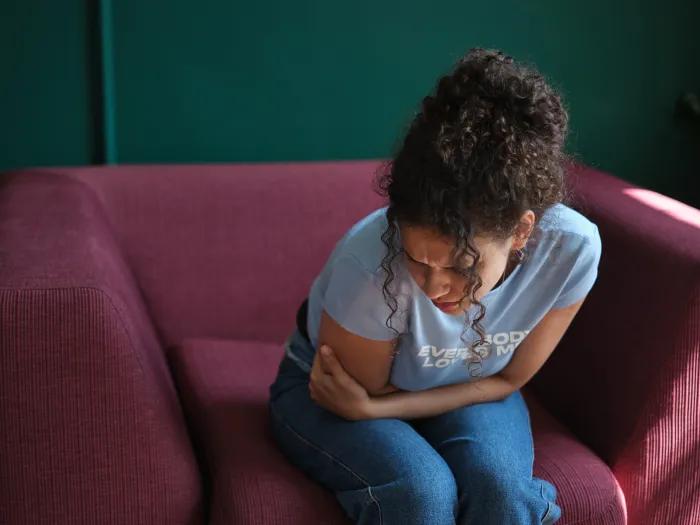
Who’s at risk for painful periods?

Study reveals the work and health insurance roller coaster millions of Americans ride

Foundation gift inspires additional gifts to strengthen youth mental health care