The need to raise awareness about pulmonary rehab for COPD patients
Less than 1% of COPD patients receive pulmonary rehab following hospitalization
12:00 PM
Michigan claims data reveals underuse of an effective intervention. Visit Health Lab to read the full story.
Transcript
Host:
Welcome to Health Lab, your destination for news and stories about the future of health care. Today: The need to raise awareness about pulmonary rehab for COPD patients. Less than 1% of COPD patients receive pulmonary rehab following hospitalization. Michigan claims data reveals underuse of this effective intervention.
Rehabilitation, or rehab, can help patients who are recovering from an injury or illness manage their conditions and get back to doing the things they love.
However, new data suggests that patients who have been hospitalized for chronic obstructive pulmonary disorder may be missing out on this beneficial step in the healing process.
An exacerbation of COPD is a sudden worsening of symptoms, including shortness of breath, and cough, which can be fatal.
COPD exacerbations led to more than 335,000 hospitalizations in the United States in 2020.
Studies have shown that pulmonary rehabilitation for COPD can improve quality of life and reduce hospital readmissions.
Michael Thompson, Ph.D., of the Department of Cardiac Surgery at Michigan Medicine worked with U-M surgery resident Whitney W. Fu, M.D., and a team of pulmonologists, general surgeons and clinical researchers to analyze whether patterns of rehab use observed in patients hospitalized for cardiac procedures would be mirrored in patients hospitalized for exacerbations of COPD.
Although rehab improves outcomes for both pulmonary and cardiac patients, usage remains low.
The picture was even bleaker than expected: The overall initiation rate for pulmonary rehab in patients recovering from a COPD hospitalization was just 0.8%.
“We knew things were bad, but obviously we didn’t know things were this bad,” said Thompson.
The team’s insights emerged from claims data from the Michigan Value Collaborative, a Blue Cross Blue Shield of Michigan funded collaborative quality initiative that includes over 100 acute care hospitals and 40 physician organizations across the state of Michigan.
Just over 36,000 patients and 99 hospitals for hospitalizations between 1/1/18-12/31/21 were included in their specific study.
Most of the patients were older than 65, female, white and insured via Medicare, which covers the costs associated with pulmonary rehab.
And while the investigators had hoped the data would reveal characteristics at high-performing hospitals to improve use of pulmonary rehabilitation, there were no high performing hospitals.
“We’re at ground zero in trying to improve awareness and talking to physicians and patients about pulmonary rehab,” he said.
A model for improvement could come from work done to promote cardiac rehabilitation, notes Thompson, which has usage rates of around 30% for patients recovering from heart procedures.
Hospital differences in cardiac rehab are largely practice driven and center specific, bolstered by standard referral packages built into the electronic health record.
Similar tactics could be applied for pulmonary rehab, he adds.
While the COPD findings are only of hospitals based in Michigan, notes Thompson, other national studies have found similar results.
“Our initial takeaway here is that we can start by doing just the bare minimum,” he said.
For more on this story and for others like it, visit michiganmedicine.org/health-lab. Health Lab is a part of the Michigan Medicine Podcast Network, and is produced by the Michigan Medicine Department of Communication. You can subscribe to Health Lab wherever you listen to podcasts.

Health Lab Podcast
Listen to more Health Lab podcasts - a part of the Michigan Medicine Podcast Network.
Featured News & Stories

Reducing infections after heart surgery could save Medicare $441 million per year
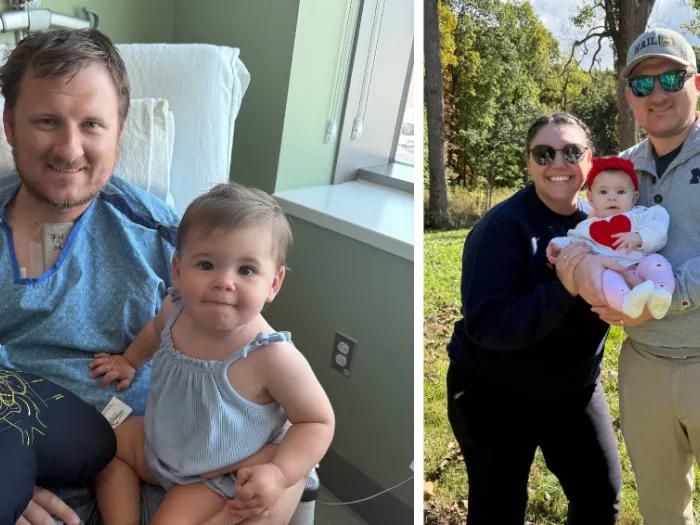
Young father survives aortic dissection after delayed diagnosis

C.S. Mott Children’s Hospital first in country to implant expandable heart valve during FDA review phase

Texas man walking on ‘new legs’ after complex vascular procedures
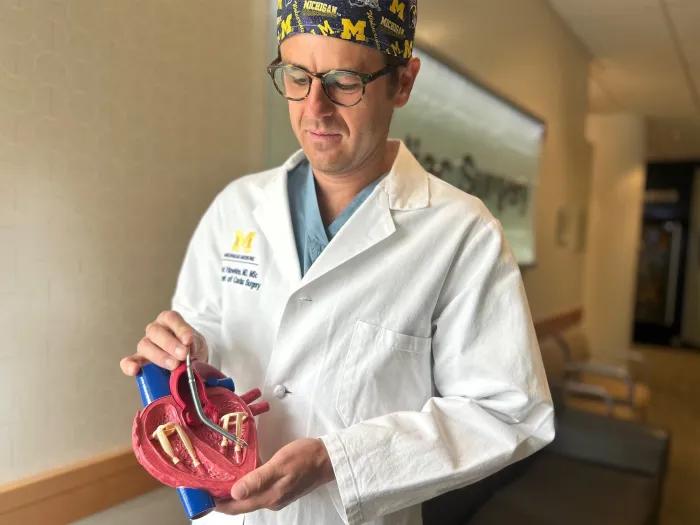
How a temporary heart pump can support high risk cardiac surgery