One Patient Sees a Corneal Transplant’s Transformative Effect
No matter people’s age, eye color or eyesight, they likely can serve as a corneal tissue donor. This eye-opening story shows how such donors help.
1:00 PM
Author |
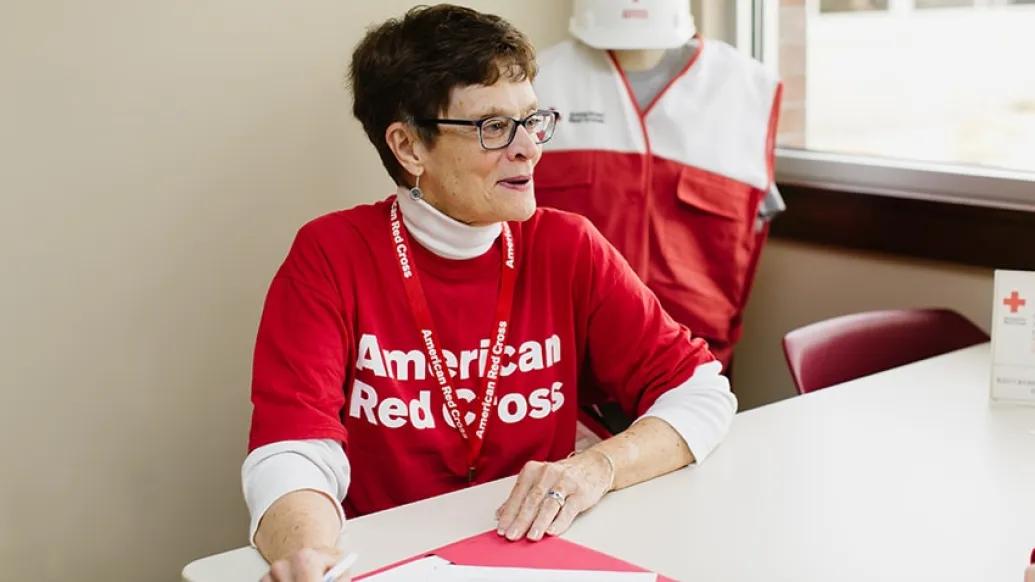
For 40 years, Carol Stacy was an educator for students with special needs. Then retirement wasn't what she pictured.
MORE FROM MICHIGAN: Sign up for our weekly newsletter
Diagnosed with Fuchs' dystrophy, she experienced corneal swelling and cloudy vision that made it difficult to read. Even with treatment with sodium-based eye drops, her blurry vision did not improve through the day.
Facing blindness, Stacy was offered hope when Shahzad I. Mian, M.D., cornea specialist and professor of ophthalmology at University of Michigan Kellogg Eye Center, recommended a double corneal transplant.
"I'm one very blessed recipient," says the 65-year-old mom and breast cancer survivor, who received corneal tissue from an organ donor. "It's made a world of difference."
Corneal dystrophies affect vision in different ways. Fuchs' dystrophy causes a gradual decline in vision as endothelial cells lining the inner surface of the cornea die off. These cells, which keep the cornea clear, are unique in that we are born with a limited number and they gradually decline in our lifetime. Fuchs' dystrophy makes the decline in cells faster.
The transplant would replace Stacy's damaged corneal tissue with healthy tissue from an organ donor. She's sent thank-you letters via the eye bank Eversight Michigan to the donor families, who she hopes to meet one day.
Most people are suitable cornea donors: Age, eye color and eyesight do not matter.
Seeing again
The cornea is the most frequently transplanted part of the human body.
Improving Stacy's vision became a reality during two surgeries from two different donors — first in fall 2016 and then on the other eye in January. Mian was able to keep her eye surface intact and replace just a small part of the damaged cornea to restore its focusing power.
SEE ALSO: Making Prosthetic Eyes That Look Like the Real Thing
The technique he used, Descemet's membrane endothelial keratoplasty (DMEK), offers faster and better visual recovery and fewer complications than surgical treatments in the past.
"The recovery process was more emotional than I expected because it was then that I realized how poor my vision had become," says Stacy, who lives in Toledo, Ohio, with her children Courtney and Nick, whom she adopted when they were infants. "It was as if I'd been walking around underwater, and now I was above the surface."
It's only been a few months since her surgery, and the transplant has given her so much more than the ability to see again.
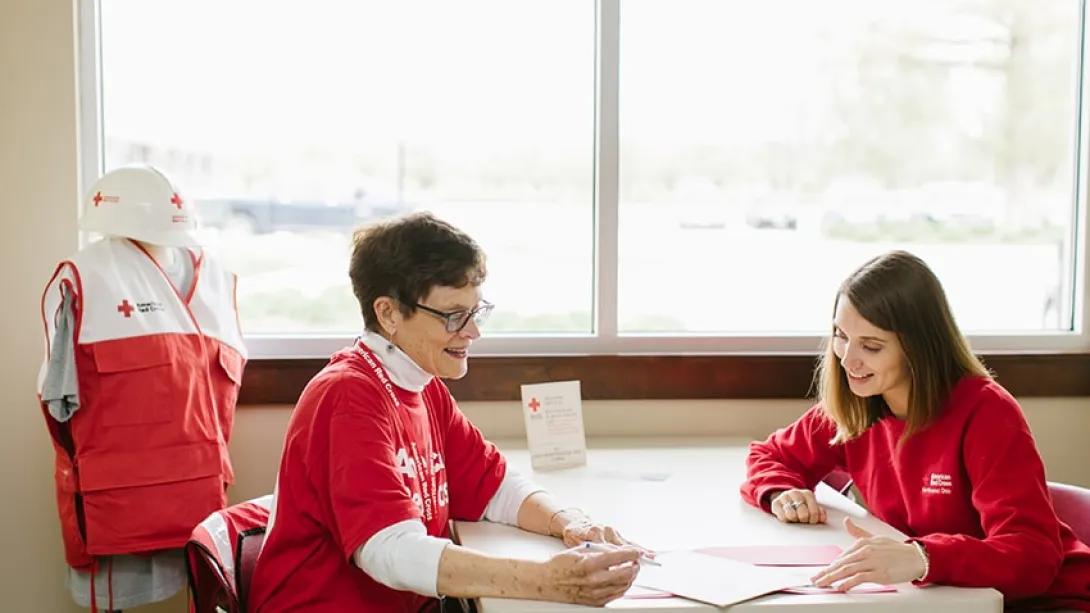
A volunteer with the American Red Cross, she's training to become a disaster relief worker capable of dispatching to areas for up to two or three weeks to help rebuild lives. She's assisted fire victims in Ohio and is learning to drive an emergency response vehicle.
Her corrected vision has renewed her ability to serve the community.
She says, "I can listen and watch as devastating events happen, or I can do something about them — so I am."

Health Lab
Explore thousands of health news & research stories by visiting the Health Lab homepage for more.
Media Contact

Public Relations
Department of Communication at Michigan Medicine
Stay Informed
Want top health & research news weekly? Sign up for Health Lab’s newsletters today!
Featured News & Stories

Cornea Transplant Brings New Outlook After Surprise Eye Injury
Innovative children’s vision research gets a boost from the Knights Templar Eye Foundation
Many hospitals still don’t do enough to prevent UTIs from catheters

Nerf gun accident causes retinal detachment in pediatric patient
Kellogg care inspires gift to vision research