Stuck at Home? 6 Ways to Keep Your Kids Healthy and Happy
As the coronavirus keeps families homebound, a childhood development expert shares ways to have productive days together.
11:01 AM
Author |

Editor's note: Information on the COVID-19 crisis is constantly changing. For the latest numbers and updates, keep checking the CDC's website. For the most up-to-date information from Michigan Medicine, visit the hospital's Coronavirus (COVID-19) webpage.
Interested in a COVID-19 clinical trial? Health research is critical to ending the COVID-19 pandemic. Our researchers are hard at work to find vaccines and other ways to potentially prevent and treat the disease and need your help. Sign up to be considered for a clinical trial at Michigan Medicine.
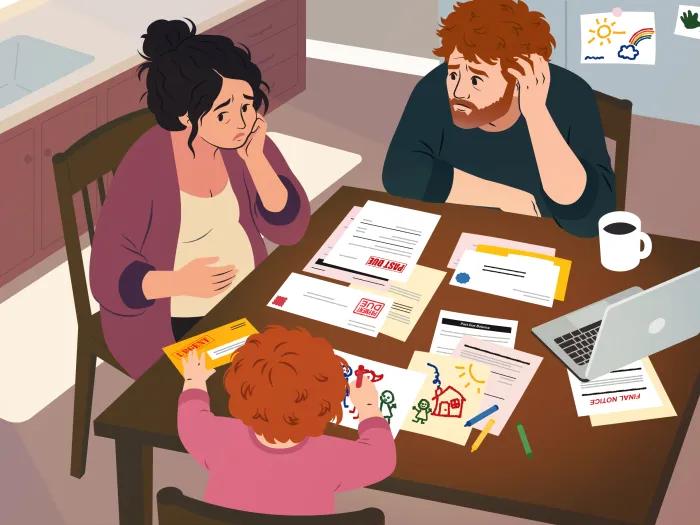
Due to the spread of COVID-19, school and daycare closures are keeping families around the world home together in unprecedented numbers. You, along with millions of other parents, are now left wondering: How will I manage it all?
"Schools have been cancelled, children are home with their parents, and parents are trying to structure their day to get work done and care for their children," notes Tiffany Munzer, M.D. "Families are under a lot of stress right now, to say the very least."
Munzer, a pediatrician who specializes in behavioral development at C.S. Mott Children's Hospital, suggests parents acknowledge the pressure and cut themselves some slack. "Allow yourself some grace and breaks throughout the day," says Munzer. "Everybody is facing unprecedented uncertainty, so as much as you are able to, focus on things you're able to control."
MORE FROM MICHIGAN: Sign up for our weekly newsletter
When it comes to parenting, she has several ideas that can help children and parents alike stay safe, healthy and productive during this time:
1. Create a routine. With the rapid changes happening around the world, kids can really thrive under, and benefit from, a structured routine, Munzer explains. Depending on your child's age, sit down each evening and try to plan out a rough schedule for the next day. It can help to create a visual schedule. "The more children can anticipate, the safer and more secure they will feel," she says.
If possible, replicate some elements of your kid's typical school or daycare schedule. For example, encourage your children to change out of pajamas in the morning, brush their teeth, eat breakfast, etc.
Another note: "Often it makes sense to structure the day so that harder tasks are accomplished first when children are likely to be well rested," Munzer says. "After schoolwork or chores are complete, you can follow with easier tasks (including screen time) as the day wears on, as a reward for accomplishing the harder tasks."
2. Consider chores. Giving children a task or a job to do can help them feel empowered. This could be as simple as cleaning and rinsing off their dishes, wiping off countertops or putting away their clothes, Munzer says.
3. Take breaks. Munzer suggests short breaks for parents and kids alike throughout the day. Call friends or family, listen to music, go outside or read something uplifting. The calmer you are, the calmer your children will be, Munzer says.
"We are living in this great time where we can reach out to others virtually without putting anybody at risk of contracting COVID," Munzer says. "Use your social networks to reach out while keeping a safe distance."
Like Podcasts? Add the Michigan Medicine News Break to your Alexa-enabled device or subscribe for daily updates on iTunes, Google Play and Stitcher.
4. Go outside. If it's safe in your neighborhood and the CDC continues to support outdoor time in response to the pandemic, it can help the whole family feel better.
5. Use screens as needed. During this time, there's nothing wrong with screen time together as a family. "Think of it as a reward for getting through the day and as an activity to do together," Munzer says. Just be sure to keep content appropriate, and limit your child's exposure to the news, as that can be anxiety provoking.
SEE ALSO: Screen Time Tips When Stuck at Home
6. Think of daily themes. One idea to keep things fun: Pick a theme for each day. "Your family could spend one day learning about something fun like pirates, then the next day, learn about different types of jungle animals," Munzer suggests. "Having something that feels a little special to do during this time can help everybody look forward to something."
If you're interested in creating or using educational resources, Munzer suggests Twinkl.com and Education.com for free worksheets and other ideas. CommonSenseMedia.org has suggestions for what to watch, read and play when your kids are stuck indoors, as well as recommendations for free educational apps.
For the most updated information from Michigan Medicine about the outbreak, visit the hospital's Coronavirus (COVID-19) webpage.

Health Lab
Explore thousands of health news & research stories by visiting the Health Lab homepage for more.
Media Contact

Public Relations
Department of Communication at Michigan Medicine
Stay Informed
Want top health & research news weekly? Sign up for Health Lab’s newsletters today!
Featured News & Stories

Small daily activities may help ease dementia caregivers’ stress

5 ways to manage politically induced stress

High dose oxytocin protocol linked to lower postpartum hemorrhage rates

4 ways to teach your teen safe driving habits

U-M-led consortium to receive up to $52 million in NIH funding to study why viral respiratory infections affect children differently