
Newborn Screening Catches Baby’s Critical Heart Condition
Mila’s story highlights the importance of the 4-year-old mandatory statewide newborn heart defect screening program.
7:00 AM
Author |
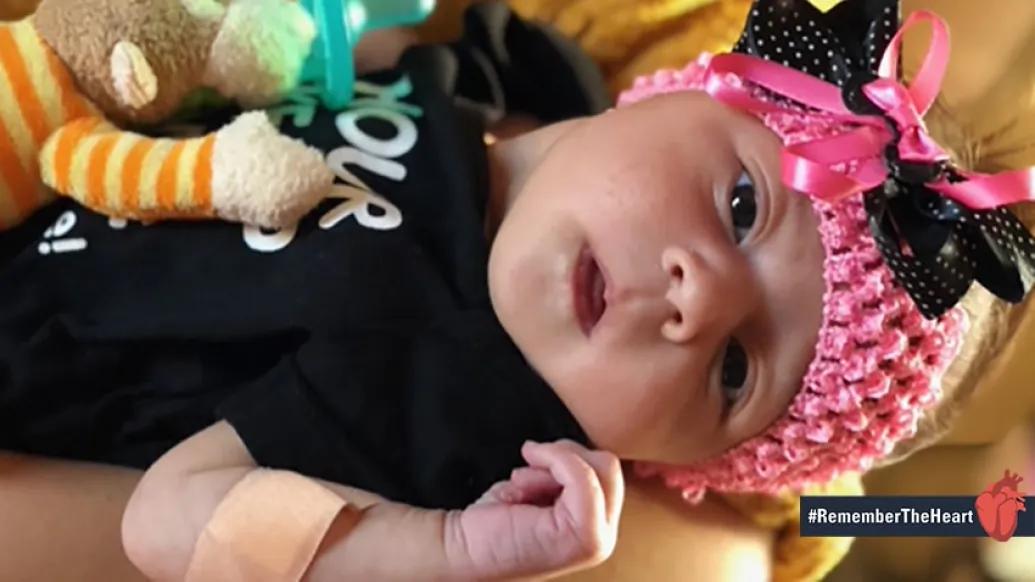
Until the day Mila was born, her parents thought she was in perfect health.
MORE FROM MICHIGAN: Sign up for our weekly newsletter
Prenatal ultrasounds showed steady breathing movements and a healthy heart rate. There were no signs anything was wrong when the brown-eyed baby was born, weighing 6 pounds, 12 ounces.
But what no one could see was a serious issue with Mila's tiny heart.
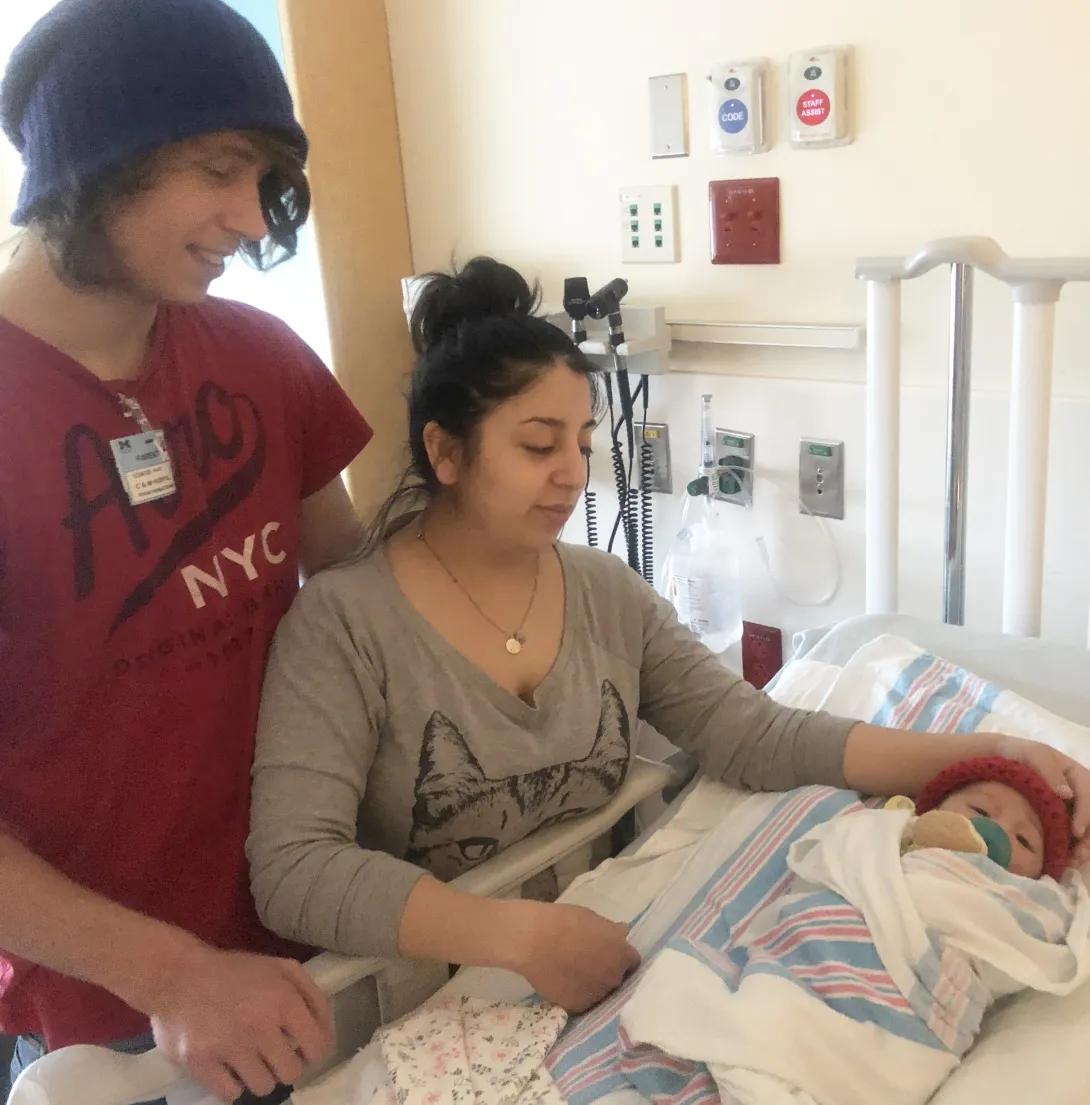
Just 24 hours after her birth, a minutes-long newborn screening recorded dramatically low levels of oxygen — and her parents, Leeanna Martinez and Ryan Schramm, learned she had a congenital heart condition. After stabilization at Sparrow Hospital in Lansing, Michigan, she was transferred the next day to University of Michigan C.S. Mott Children's Hospital, where she ultimately needed open-heart surgery.
"We were ready to take her home," Leeanna says. "Without the screening test, we probably wouldn't have known anything was wrong until she got really sick. And then it may have been too late."
Mila's story highlights the importance of the state of Michigan's 4-year-old requirement that all birthing centers screen for heart defects using pulse oximetry 24 hours after birth.
Mila was diagnosed with total anomalous pulmonary venous return (TAPVR), meaning oxygen-rich blood does not return from the lungs to the left atrium as it should. This is one of several critical heart defects that newborn screening can detect. It is often not possible to diagnose these defects before birth.
In January, 1-month-old Mila underwent TAPVR repair surgery with a Congenital Heart Center team led by pediatric heart surgeon Peter Sassalos, M.D.
"It was so important that they caught this as early as possible," Leeanna says. "She will be able to live a normal, healthy life."
The case for screening
Congenital heart defects are the most common type of birth defect. About 1 in 4 babies born with a heart defect require surgery or other heart procedures in the first year of life.
SEE ALSO: Fixing a Tiny Heart: Open-Heart Surgery at 4 Months Old
Mott has routinely done the newborn screening since 2003. While the screening cannot detect all serious heart defects, it ensures that more affected babies receive immediate care.
"Mila's heart defect did not cause any obvious symptoms right after birth, but it would have over time," says Mott pediatric cardiologist Monica Goble, M.D., who provides care in Lansing and diagnosed Mila after she failed the screening test. Goble led the statewide advisory committee that helped the Michigan Department of Health and Human Services implement screening for newborn heart defects in Michigan.
"Mila's case highlights why the newborn screening program is so important. Early detection helps prevent parents from taking their baby home assuming all is well, only for the baby to become critically ill at home. In these unusual cases, we are able to provide immediate care to improve health outcomes."
Doctors at U-M are working to improve the outlook for kids with congenital heart disease through innovative research. Learn how you can help at umsaveaheart.org.

Health Lab
Explore thousands of health news & research stories by visiting the Health Lab homepage for more.
Media Contact

Public Relations
Department of Communication at Michigan Medicine
Stay Informed
Want top health & research news weekly? Sign up for Health Lab’s newsletters today!
Featured News & Stories
Thrive With Your Family: Supporting Kids With Chronic Diseases During COVID-19
Family Travels from L.A. to Ann Arbor for Baby’s Life Saving Heart Surgery
A New Heart Lets First-Grader ‘Finally Act Like a Kid’

Ruby’s Story: Normalizing Congenital Heart Defects for Michigan Families
U-M-led consortium to receive up to $52 million in NIH funding to study why viral respiratory infections affect children differently

